Counting on together
Build addition within 20 through counting on and combining groups. Make time to compare strategies.
- Combine quantities and explain an addition strategy.
Explore: Counting on together, Multiplication at the market, A trail of complete sentences. See learning goals and a suggested sequence; start with any available activity.
Build addition within 20 through counting on and combining groups. Make time to compare strategies.
Connect repeated addition, equal groups and facts for 2, 5 and 10. Use this as supported recall alongside the wider year programme.
Build meaningful sentences from word groups and explain the order using grammar and meaning.
Explore the needs and features of living things and how habitats provide resources. Review the broad bank for your year group.
Connect small collections and addition within 20. Use counters and talk about how the total changes.
Relate equal groups to multiplication facts for 2, 5 and 10; discuss the meaning of each factor.
Arrange subjects, verbs and endings, then discuss what makes a complete sentence.
Connect organisms’ needs and features to their habitats. Review the broad bank for your grade before playing.
Sounds into words: Hear, blend, read → Common exception words → Word endings → Choose a decoding strategy.
Stories and information: Who, where and what? → Retell the story → Clues and predictions → Words and rhymes → Find a fact.
Counting and representing numbers: Count without missing → Ten and some more → Neighbours on the line → Counting patterns.
Adding and taking away: Parts make a whole → Crossing ten with pictures → What remains? → One-step stories → Explain the missing part.
Habitats and food links: Living, dead or never alive → Homes for living things → Food chains → Protect a microhabitat.
Thinking like a historian: Dates and periods → Archaeology and written sources → Support a claim → Compare two accounts.
Light and shadows: Seeing needs light → Reflection and safety → Shadows appear → Changing a shadow.
Words across texts: Morphology for meaning → Dictionary and context → Spelling and possessives → Word-family reasoning.
Reading beyond the surface: Summarise a paragraph → Justify an inference → Language and structure → Poetry and plays → Compare viewpoints.
Simple electric circuits: A complete loop → Switches control flow → Conductors and insulators → Find the fault safely.
Print, sounds and letters: How print works → Sounds we hear → Letters represent sounds → Read familiar words.
Messages, words and talk: A message has a purpose → Words in sentences → Capitals and end marks → Talk and listen together → Words and relationships.
Counting tells how many: One number for each object → The last number tells how many → Numerals and quantities → Which has more?.
Joining and separating: Put together, take apart → Pairs that make a number → Make ten → Small number stories → Five in different ways.
Sources and timelines: Primary and later accounts → Build a timeline → Compare two sources → Support a conclusion.
Materials and changes: Sort by properties → Choose a suitable material → Parts can be rearranged → Heating and cooling changes.
Word analysis and vocabulary: Decode meaningful parts → Context and reference tools → Word relationships → Spelling and morphology.
Paragraphs for a purpose: Reasons in a logical group → Organize information → Narrative details → Sentence relationships → Revise and edit.
Life cycles, traits and variation: Compare life cycles → Inherited and environmental influences → Traits are not identical → Explain a plant result.
Matter, particles and change: Particles explain matter → Weight before and after → Identify from properties → Mixing or a new substance? → Plan a safe comparison.
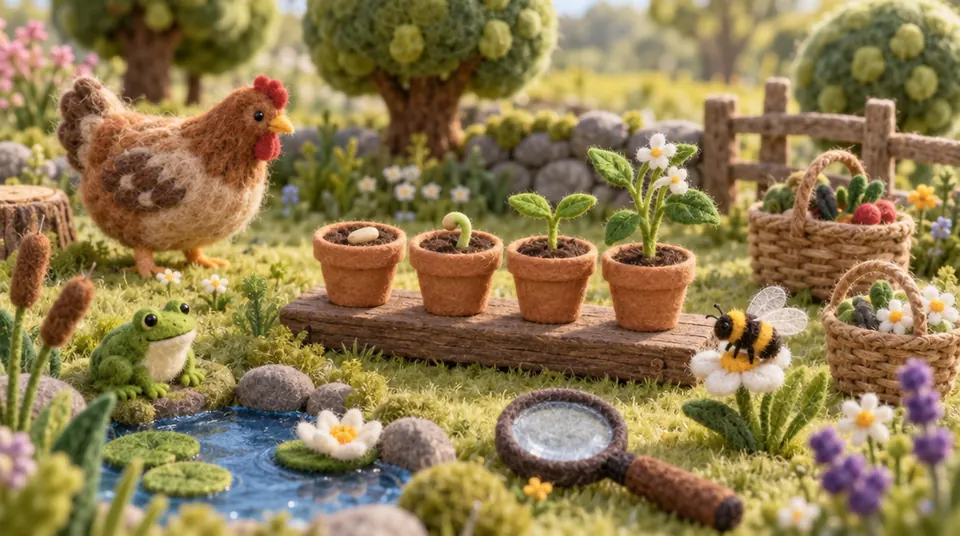 England · 7–9 yearsThe discovery gardenConnected short activities, one shared discovery.
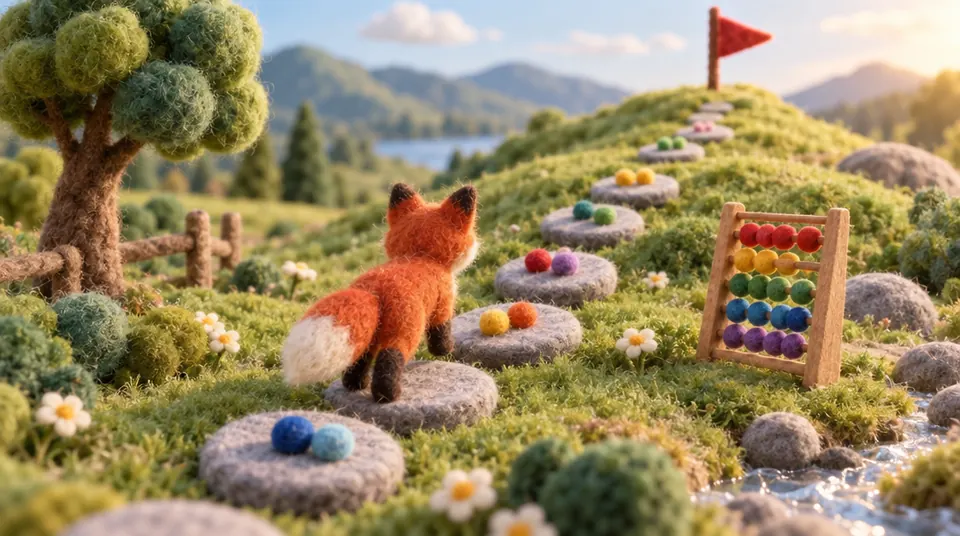 England · 6–8 yearsThe number trailConnected short activities, one shared discovery.
 England · 8–11 yearsThe experiment workshopConnected short activities, one shared discovery.United States · 7–9 yearsThe discovery gardenConnected short activities, one shared discovery.United States · 6–8 yearsThe number trailConnected short activities, one shared discovery.United States · 8–11 yearsThe experiment workshopConnected short activities, one shared discovery.
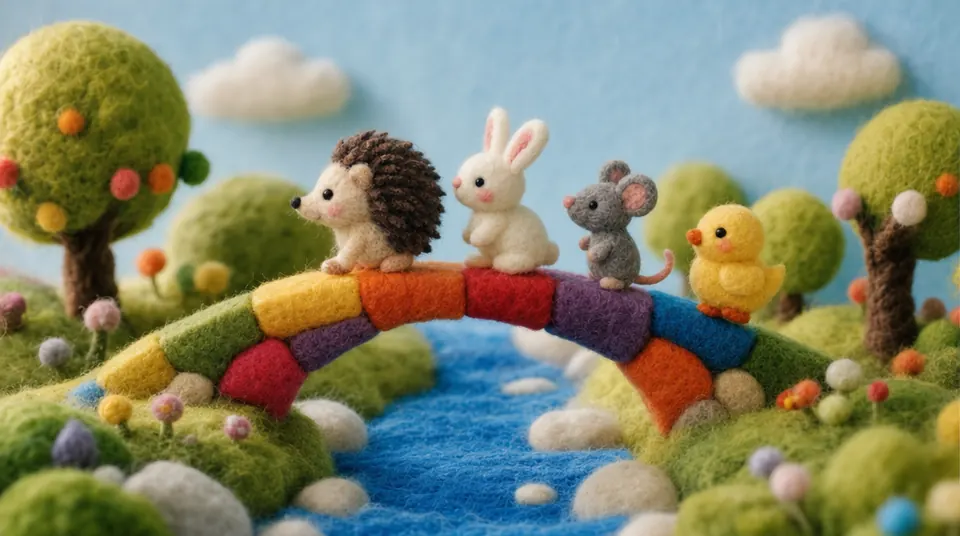 England · 5–7 yearsThe number bridgeJoin small groups and practise addition within 20.
 England · 7–9 yearsThe multiplication marketCount equal groups of fruit, books and classroom treasures.
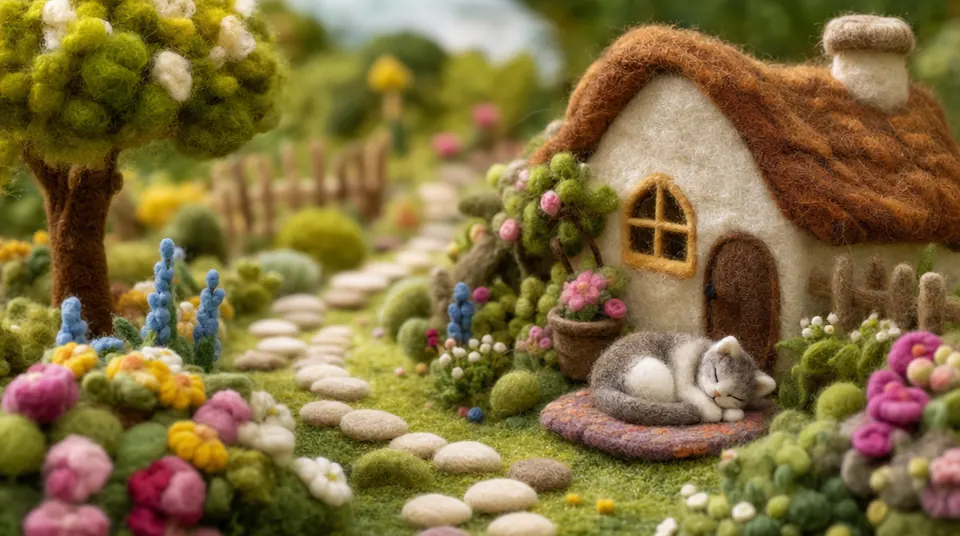 England · 6–8 yearsThe word trailPut the pieces together to build complete sentences.
 England · 7–11 yearsHabitat explorersDiscover living things and the places they call home.United States · 5–7 yearsThe number bridgeJoin small groups and practice addition within 20.United States · 7–9 yearsThe multiplication marketCount equal groups of fruit, books and classroom treasures.United States · 6–8 yearsThe word trailPut the pieces together to build complete sentences.United States · 7–11 yearsHabitat explorersDiscover living things and the places they call home.
 England · 5–6 yearsHear, blend, readListen to your teacher, match letters and blend short words.
 England · 5–6 yearsCommon exception wordsRead familiar words carefully in short, teacher-read sentences.
 England · 5–6 yearsWord endingsRead the whole word: small endings can change its meaning.
 England · 5–6 yearsChoose a decoding strategySpot skipped sounds, check whole words and explain how you read.
 England · 5–6 yearsWho, where and what?Listen as your teacher reads each story. Find the detail that answers the question.
 England · 5–6 yearsRetell the storyYour teacher reads the story. Put its event cards in order and tell it again.
 England · 5–6 yearsClues and predictionsListen to your teacher. Use what the story says to explain a feeling or predict a next step.
 England · 5–6 yearsWords and rhymesYour teacher reads original little poems. Listen for rhyme, repeated language and word meanings.
 England · 5–6 yearsFind a factListen to short notices, labels and information texts. Use the heading to find the fact you need.
 England · 5–6 yearsParts make a wholeFind partners that make ten or twenty, and explain what equal means.
 England · 5–6 yearsCrossing ten with picturesUse parts of a group to reach ten, then include the rest.
 England · 5–6 yearsWhat remains?Use objects, matching and number lines to explain subtraction.
 England · 5–6 yearsOne-step storiesChoose the calculation that matches joining, changing and comparing.
 England · 5–6 yearsExplain the missing partSolve a missing number and explain why a counting mistake fails.
 England · 5–6 yearsCount without missingCount each object once and connect the amount to a numeral or number word.
 England · 5–6 yearsTen and some moreUse teacher-drawn ten-frames to build and read teen numbers.
 England · 5–6 yearsNeighbours on the lineOrder number cards and reason about one more and one less.
 England · 5–6 yearsCounting patternsContinue, repair and explain counts in twos, fives and tens.
 England · 6–7 yearsLiving, dead or never aliveSort real-life evidence, find pictured examples and explain tricky cases.
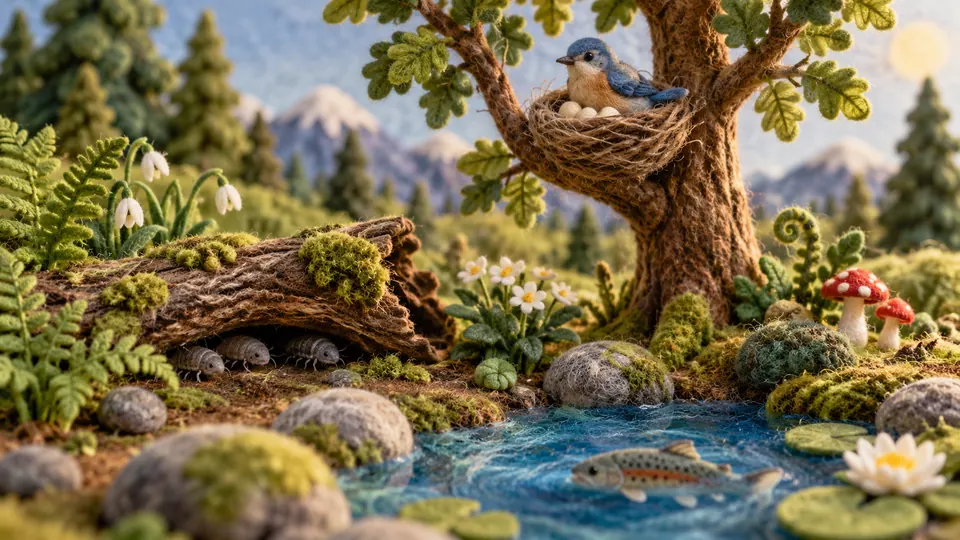 England · 6–7 yearsHomes for living thingsConnect pictured living things to places and resources that meet the stated need.
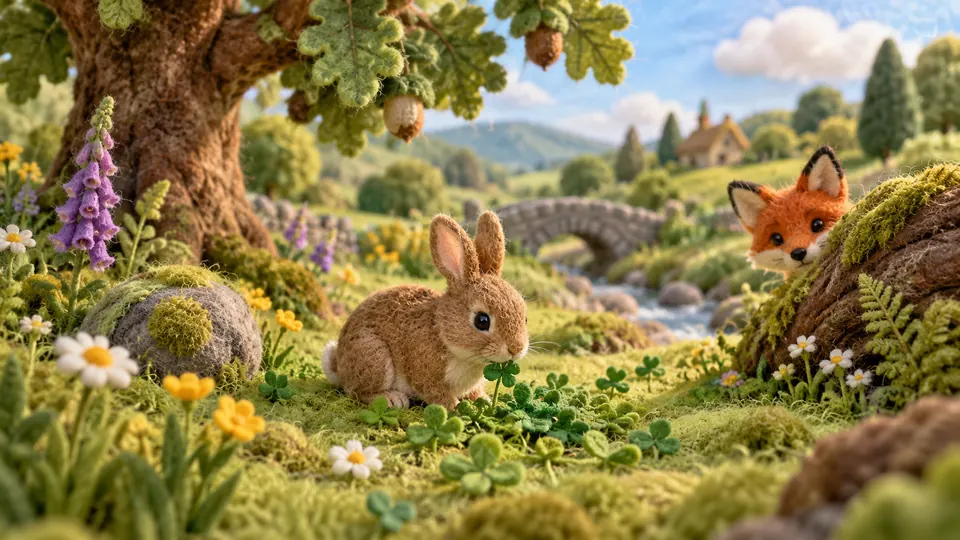 England · 6–7 yearsFood chainsBuild pictured food links, find plant foods and explain how food energy passes.
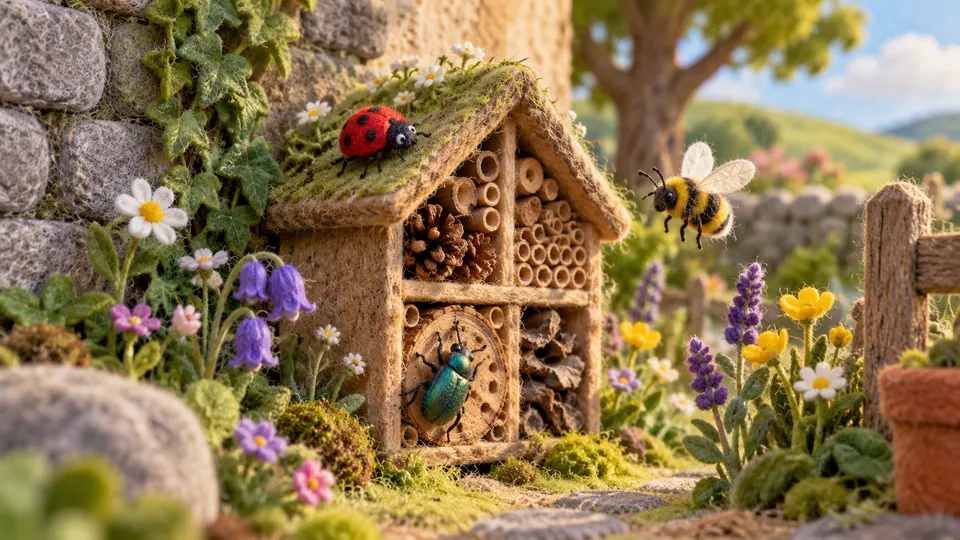 England · 6–7 yearsProtect a microhabitatUse pictured resource records to predict effects of a small habitat change.
 England · 7–8 yearsDates and periodsRead dated timelines, keep uncertainty and separate an event from its discovery
 England · 7–8 yearsArchaeology and written sourcesChoose evidence for a question, and keep track of what it cannot tell us
 England · 7–8 yearsSupport a claimUse a clue, qualify the conclusion and ask what could change it
 England · 7–8 yearsCompare two accountsKeep shared details, notice differences and ask the next useful question
 England · 7–8 yearsSeeing needs lightSort light evidence, distinguish sources from reflectors and explain darkness.
 England · 7–8 yearsReflection and safetyExplain reflected light and choose safe ways to investigate it.
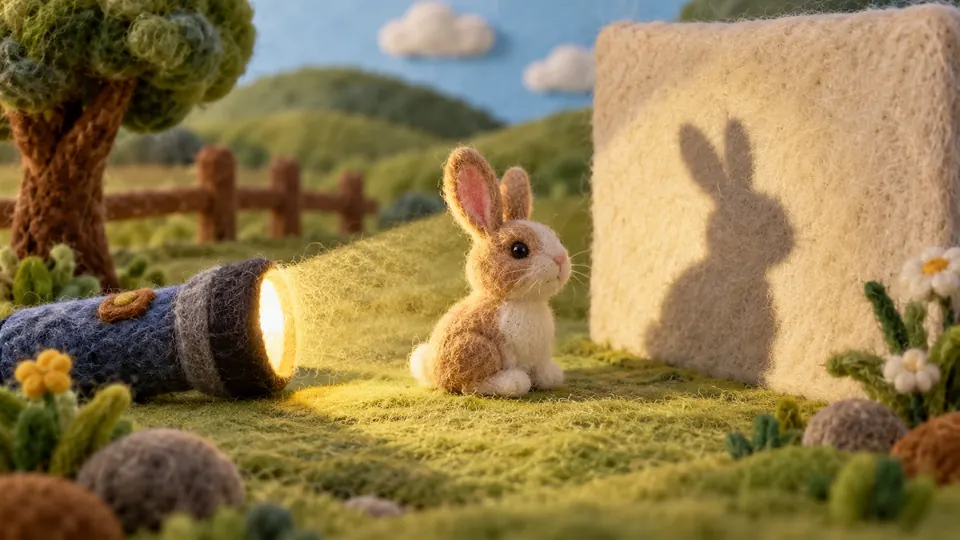 England · 7–8 yearsShadows appearUse material-test evidence to explain where light is blocked.
 England · 7–8 yearsChanging a shadowExplore a torch model, arrange evidence and decide what makes a fair test.
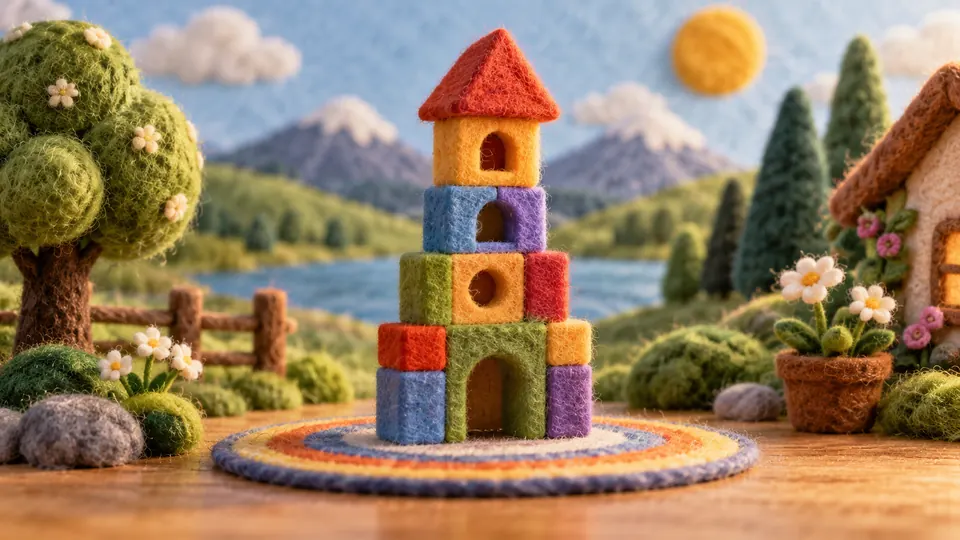 England · 8–9 yearsLanguage and structureBuild a stated paragraph plan and explain how wording changes meaning
 England · 8–9 yearsJustify an inferenceUse linked clues, compare motives and revise when evidence changes
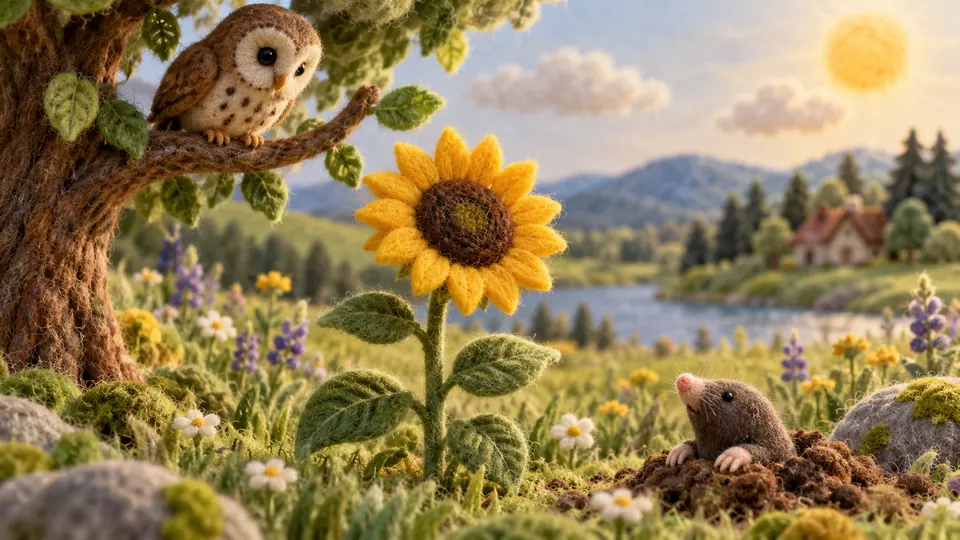 England · 8–9 yearsCompare viewpointsCompare short sources, connect a theme and keep fact separate from inference
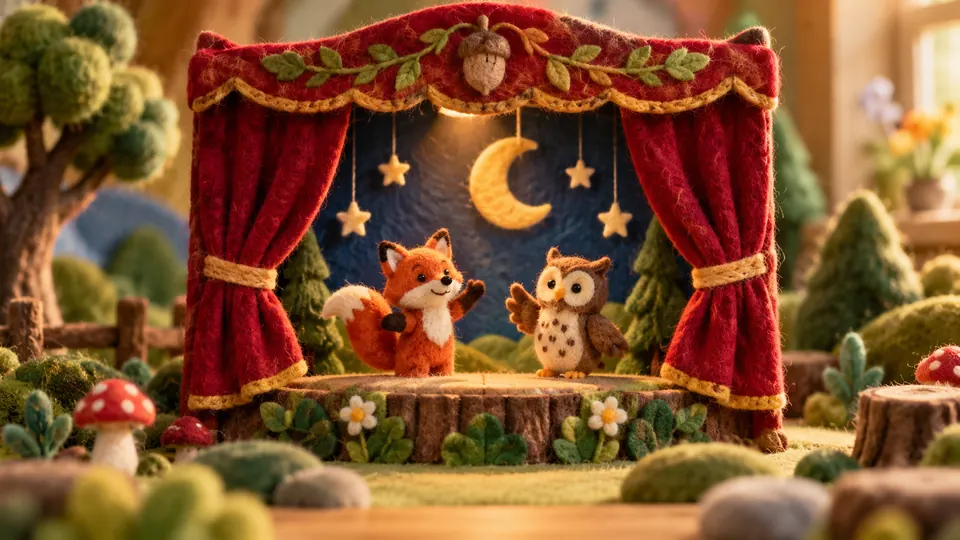 England · 8–9 yearsPoetry and playsCompare images, repeated language and the meaning of supplied performance cues
 England · 8–9 yearsSummarise a paragraphFind the central idea, connect details and keep the important limits
 England · 8–9 yearsMorphology for meaningBuild, compare and test meanings from familiar word parts
 England · 8–9 yearsDictionary and contextOne word, different senses: let the sentence decide
 England · 8–9 yearsSpelling and possessivesUse word structure and ownership evidence to choose precise forms
 England · 8–9 yearsWord-family reasoningProve a meaningful connection and challenge look-alike letter strings
 England · 8–9 yearsA complete loopTrace the connections, test a loop and explain when a component can work.
 England · 8–9 yearsSwitches control flowTest switch outcomes, locate gaps and reason about changes.
 England · 8–9 yearsConductors and insulatorsClassify controlled test records and distinguish evidence from appearance.
 England · 8–9 yearsFind the fault safelyChoose one informative next test and keep uncertain causes open.
 United States · 5–6 yearsA message has a purposeExplore messages that share a preference, give information, or tell what happened.
 United States · 5–6 yearsWords in sentencesBuild clear spoken sentences with familiar naming words and action words.
 United States · 5–6 yearsCapitals and end marksNotice sentence-start capitals, the word I, and periods, question marks and exclamation marks.
 United States · 5–6 yearsTalk and listen togetherPractice relevant questions, helpful replies, turn taking, and asking for clarification.
 United States · 5–6 yearsWords and relationshipsGroup familiar words, compare opposites, and use context to choose a word’s meaning.
 United States · 5–6 yearsHow print worksFollow words, find spaces, and recognize letter forms together.
 United States · 5–6 yearsSounds we hearListen for rhymes, word parts, and sounds at the beginning and end.
 United States · 5–6 yearsLetters represent soundsConnect teacher-voiced consonant and short-vowel sounds to familiar letters.
 United States · 5–6 yearsRead familiar wordsRecognize taught everyday words and carefully read a small set of decodable words.
 United States · 5–6 yearsOne number for each objectCount every object once, keep track of scattered sets, and notice empty sets.
 United States · 5–6 yearsThe last number tells how manyUse a finished count to name the whole set, even when the same objects move.
 United States · 5–6 yearsNumerals and quantitiesMatch written numerals to counted sets, from an empty set through twenty.
 United States · 5–6 yearsWhich has more?Compare quantities with counting and matching; explain more, fewer and the same number.
 United States · 5–6 yearsPut together, take apartChoose objects, drawings and actions that show what happens in a number story.
 United States · 5–6 yearsPairs that make a numberMake two parts of a whole, find a missing part, and compare different splits.
 United States · 5–6 yearsMake tenFind what is missing from ten, explain a strategy, and check a proposed pair.
 United States · 5–6 yearsSmall number storiesSolve small joining and taking-away stories, then explain what the numbers mean.
 United States · 5–6 yearsFive in different waysUse small facts flexibly, explain patterns and check mistakes without racing.
 United States · 7–8 yearsPrimary and later accountsFind who made a source, what it records, and what a later writer adds
 United States · 7–8 yearsBuild a timelineBuild community timelines and distinguish dates from guesses
 United States · 7–8 yearsCompare two sourcesCompare what two accounts say, leave out, or disagree about
 United States · 7–8 yearsSupport a conclusionChoose a supported claim and ask for the evidence still missing
 United States · 7–8 yearsSort by propertiesSort sample records, connect tests to properties, and explain your evidence.
 United States · 7–8 yearsChoose a suitable materialUse simple test evidence to choose materials for particular jobs.
 United States · 7–8 yearsParts can be rearrangedCompare builds, track pieces, and explain what changes when an object is rebuilt.
 United States · 7–8 yearsHeating and cooling changesSort adult observation records and explain when a material returns to its starting state.
 United States · 8–9 yearsReasons in a logical groupConnect reasons to an opinion, then finish without adding unsupported claims
 United States · 8–9 yearsOrganize informationBuild readable information groups, useful headings and clear sentence links
 United States · 8–9 yearsNarrative detailsDevelop an original event with purposeful dialogue, action, feeling and closure
 United States · 8–9 yearsSentence relationshipsKeep references, verb forms and sentence links clear in a short paragraph
 United States · 8–9 yearsRevise and editRevise for the reader, then edit ownership, speech punctuation and spelling
 United States · 8–9 yearsWord relationshipsRead what a phrase means here, then compare shades of meaning
 United States · 8–9 yearsContext and reference toolsUse the sentence, compare senses, and check a reference meaning
 United States · 8–9 yearsDecode meaningful partsRead word parts, build a word, and check its meaning
 United States · 8–9 yearsSpelling and morphologyConnect base words and suffixes, then explain the spelling change
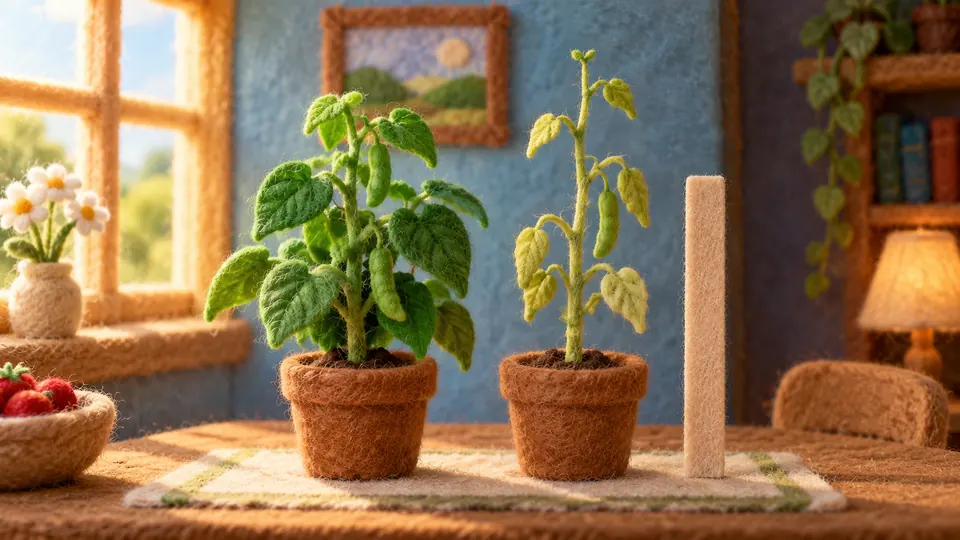 United States · 8–9 yearsExplain a plant resultConnect growing conditions to observed traits while checking comparisons and uncertainty.
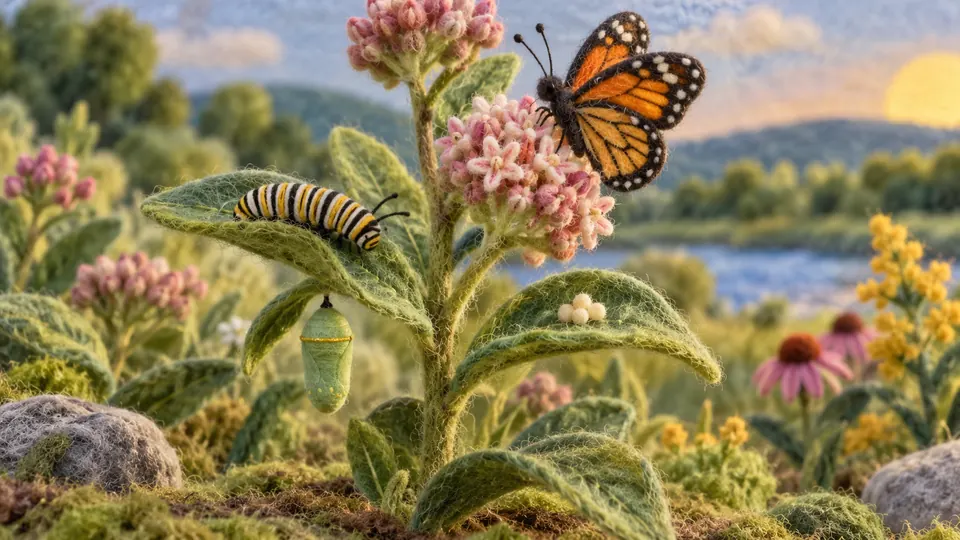 United States · 8–9 yearsCompare life cyclesIdentify, order and compare organism records without forcing every life into one template.
 United States · 8–9 yearsInherited and environmental influencesCompare parent-offspring patterns, learning and growing conditions with honest limits.
 United States · 8–9 yearsTraits are not identicalRead small non-human datasets and describe resemblance, variation and uncertainty.
 United States · 10–11 yearsMixing or a new substance?Distinguish retained materials, possible new substances and conclusions needing more evidence.
 United States · 10–11 yearsIdentify from propertiesCombine test signatures, choose useful evidence and keep uncertain identifications open.
 United States · 10–11 yearsPlan a safe comparisonChoose clear measurements, controlled comparisons and conclusions the evidence can support.
 United States · 10–11 yearsWeight before and afterFollow every part of a measured system through mixing and changes of form.
 United States · 10–11 yearsParticles explain matterUse visible observations to test explanations about matter too small to see.