
 England · 8–9 yearsA complete loopTrace the connections, test a loop and explain when a component can work.
One screen. The whole class.
Simple electric circuits
Simple electric circuits: A complete loop → Switches control flow → Conductors and insulators → Find the fault safely.
Learning goals
- Identify complete simple circuits with cell, wires, lamp, buzzer or motor.
- Predict the effect of opening/closing a switch.
- Classify tested materials using circuit evidence.
- Diagnose a simple battery-circuit fault and choose a safe next test.
A suggested order, with freedom to open or replay any available activity. Played activities help teachers continue a sequence; they do not measure mastery.
Open this path in the classroomBefore you begin
- Lower KS2 enquiry, skeletons, light, materials and fair comparisons.
One computer and a whiteboard or shared display. Pupils participate without accounts. The teacher sets the pace and can repeat or skip each activity.
A complete loop · Free
Identify complete simple circuits with cell, wires, lamp, buzzer or motor.
Switches control flow · Pro
Predict the effect of opening/closing a switch.
Conductors and insulators · Pro
Classify tested materials using circuit evidence.
Find the fault safely · Pro
Diagnose a simple battery-circuit fault and choose a safe next test.
England · 8–9 yearsA complete loopTrace the connections, test a loop and explain when a component can work. England · 8–9 yearsSwitches control flowTest switch outcomes, locate gaps and reason about changes.
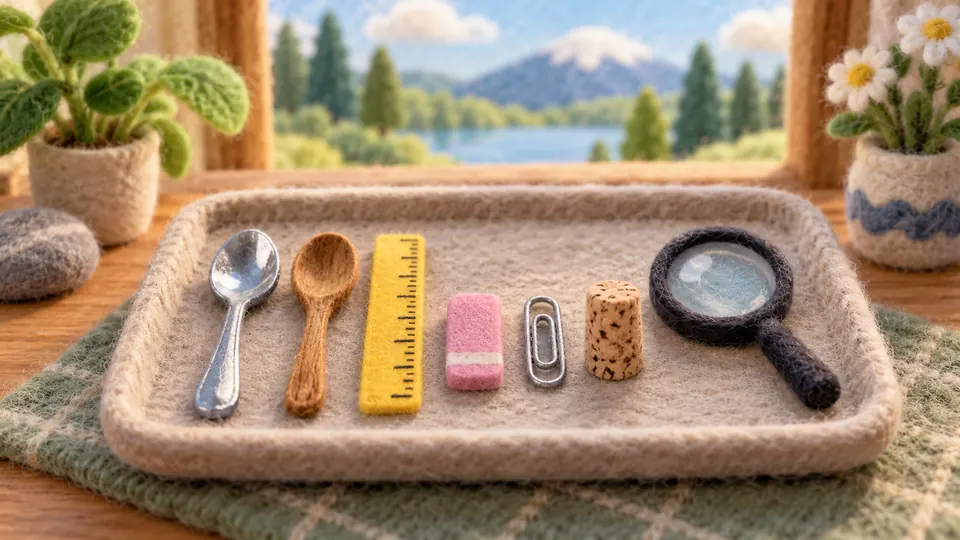 England · 8–9 yearsConductors and insulatorsClassify controlled test records and distinguish evidence from appearance.
 England · 8–9 yearsFind the fault safelyChoose one informative next test and keep uncertain causes open.