Joining small groups
Connect small collections and addition within 20. Use counters and talk about how the total changes.
- Combine quantities and explain an addition strategy.
Explore: Joining small groups, Equal groups at the market, Building complete sentences. See learning goals and a suggested sequence; start with any available activity.
Connect small collections and addition within 20. Use counters and talk about how the total changes.
Relate equal groups to multiplication facts for 2, 5 and 10; discuss the meaning of each factor.
Arrange subjects, verbs and endings, then discuss what makes a complete sentence.
Connect organisms’ needs and features to their habitats. Review the broad bank for your grade before playing.
Print, sounds and letters: How print works → Sounds we hear → Letters represent sounds → Read familiar words.
Messages, words and talk: A message has a purpose → Words in sentences → Capitals and end marks → Talk and listen together → Words and relationships.
Counting tells how many: One number for each object → The last number tells how many → Numerals and quantities → Which has more?.
Joining and separating: Put together, take apart → Pairs that make a number → Make ten → Small number stories → Five in different ways.
Sources and timelines: Primary and later accounts → Build a timeline → Compare two sources → Support a conclusion.
Materials and changes: Sort by properties → Choose a suitable material → Parts can be rearranged → Heating and cooling changes.
Word analysis and vocabulary: Decode meaningful parts → Context and reference tools → Word relationships → Spelling and morphology.
Paragraphs for a purpose: Reasons in a logical group → Organize information → Narrative details → Sentence relationships → Revise and edit.
Life cycles, traits and variation: Compare life cycles → Inherited and environmental influences → Traits are not identical → Explain a plant result.
Matter, particles and change: Particles explain matter → Weight before and after → Identify from properties → Mixing or a new substance? → Plan a safe comparison.
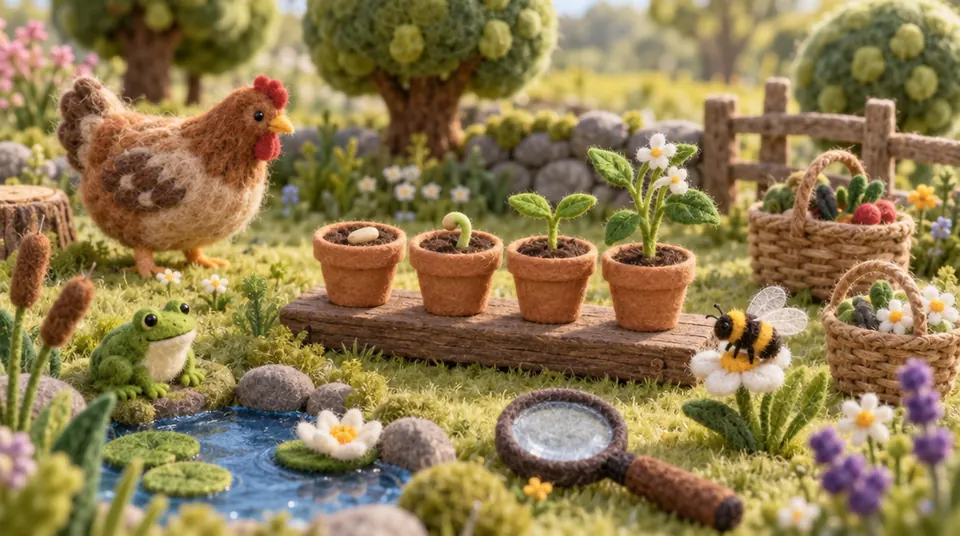 United States · 7–9 yearsThe discovery gardenConnected short activities, one shared discovery.
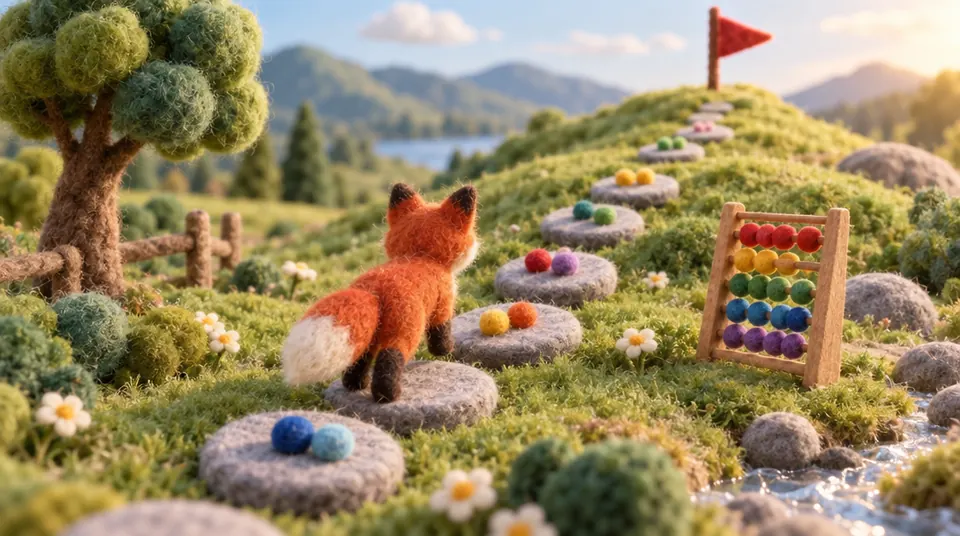 United States · 6–8 yearsThe number trailConnected short activities, one shared discovery.
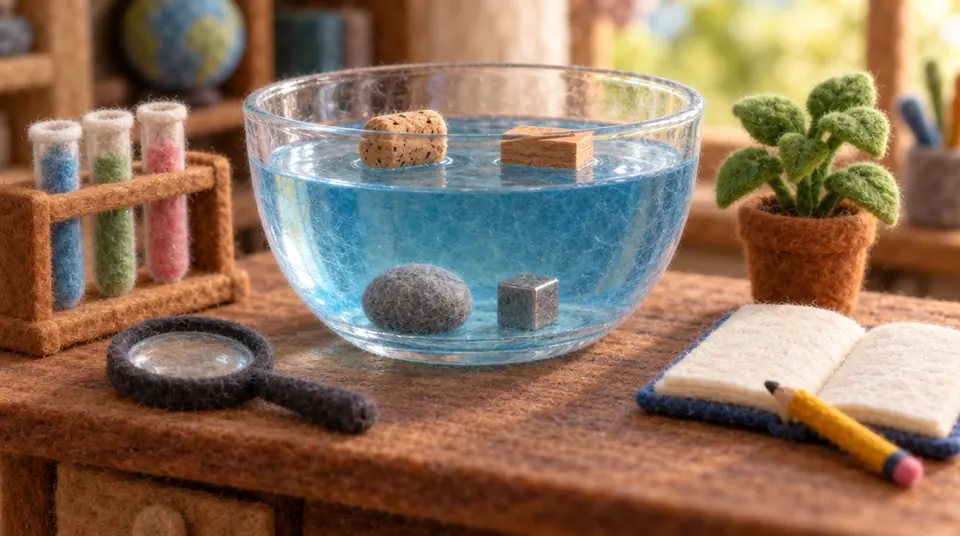 United States · 8–11 yearsThe experiment workshopConnected short activities, one shared discovery.
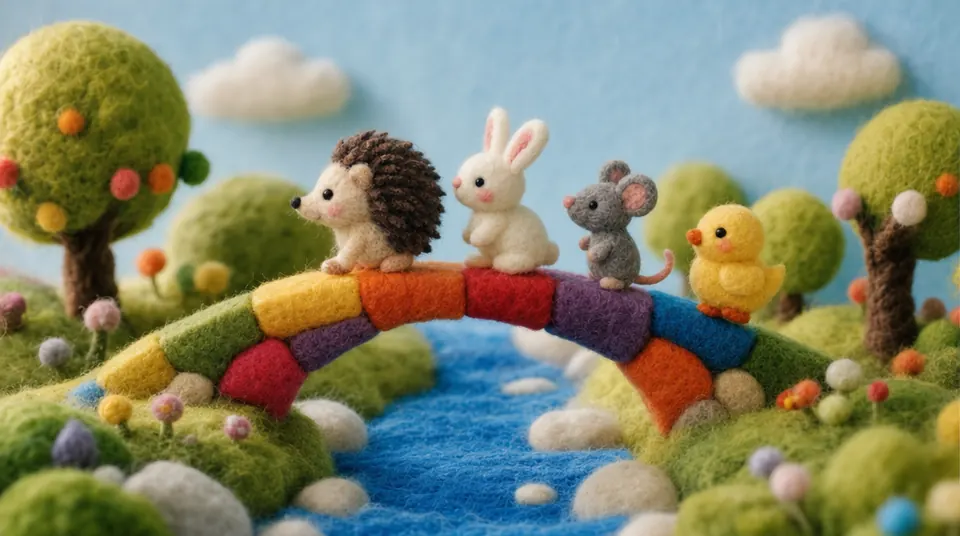 United States · 5–7 yearsThe number bridgeJoin small groups and practice addition within 20.
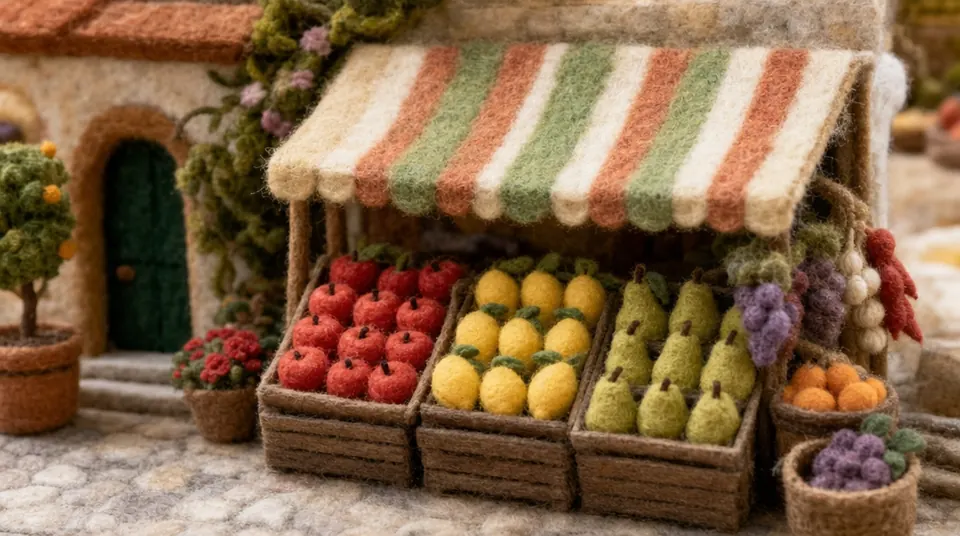 United States · 7–9 yearsThe multiplication marketCount equal groups of fruit, books and classroom treasures.
 United States · 6–8 yearsThe word trailPut the pieces together to build complete sentences.
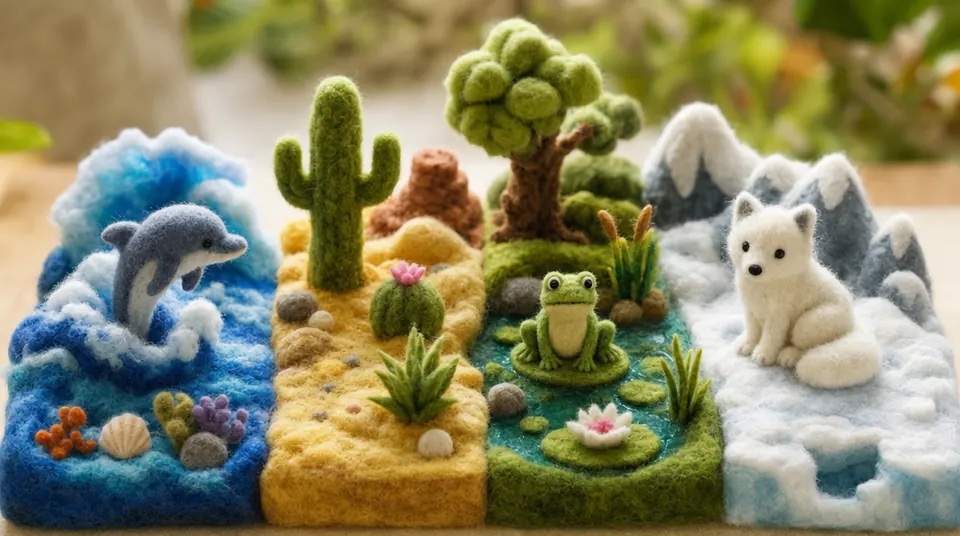 United States · 7–11 yearsHabitat explorersDiscover living things and the places they call home.
 United States · 5–6 yearsA message has a purposeExplore messages that share a preference, give information, or tell what happened.
 United States · 5–6 yearsWords in sentencesBuild clear spoken sentences with familiar naming words and action words.
 United States · 5–6 yearsCapitals and end marksNotice sentence-start capitals, the word I, and periods, question marks and exclamation marks.
 United States · 5–6 yearsTalk and listen togetherPractice relevant questions, helpful replies, turn taking, and asking for clarification.
 United States · 5–6 yearsWords and relationshipsGroup familiar words, compare opposites, and use context to choose a word’s meaning.
 United States · 5–6 yearsHow print worksFollow words, find spaces, and recognize letter forms together.
 United States · 5–6 yearsSounds we hearListen for rhymes, word parts, and sounds at the beginning and end.
 United States · 5–6 yearsLetters represent soundsConnect teacher-voiced consonant and short-vowel sounds to familiar letters.
 United States · 5–6 yearsRead familiar wordsRecognize taught everyday words and carefully read a small set of decodable words.
 United States · 5–6 yearsOne number for each objectCount every object once, keep track of scattered sets, and notice empty sets.
 United States · 5–6 yearsThe last number tells how manyUse a finished count to name the whole set, even when the same objects move.
 United States · 5–6 yearsNumerals and quantitiesMatch written numerals to counted sets, from an empty set through twenty.
 United States · 5–6 yearsWhich has more?Compare quantities with counting and matching; explain more, fewer and the same number.
 United States · 5–6 yearsPut together, take apartChoose objects, drawings and actions that show what happens in a number story.
 United States · 5–6 yearsPairs that make a numberMake two parts of a whole, find a missing part, and compare different splits.
 United States · 5–6 yearsMake tenFind what is missing from ten, explain a strategy, and check a proposed pair.
 United States · 5–6 yearsSmall number storiesSolve small joining and taking-away stories, then explain what the numbers mean.
 United States · 5–6 yearsFive in different waysUse small facts flexibly, explain patterns and check mistakes without racing.
 United States · 7–8 yearsPrimary and later accountsFind who made a source, what it records, and what a later writer adds
 United States · 7–8 yearsBuild a timelineBuild community timelines and distinguish dates from guesses
 United States · 7–8 yearsCompare two sourcesCompare what two accounts say, leave out, or disagree about
 United States · 7–8 yearsSupport a conclusionChoose a supported claim and ask for the evidence still missing
 United States · 7–8 yearsSort by propertiesSort sample records, connect tests to properties, and explain your evidence.
 United States · 7–8 yearsChoose a suitable materialUse simple test evidence to choose materials for particular jobs.
 United States · 7–8 yearsParts can be rearrangedCompare builds, track pieces, and explain what changes when an object is rebuilt.
 United States · 7–8 yearsHeating and cooling changesSort adult observation records and explain when a material returns to its starting state.
 United States · 8–9 yearsReasons in a logical groupConnect reasons to an opinion, then finish without adding unsupported claims
 United States · 8–9 yearsOrganize informationBuild readable information groups, useful headings and clear sentence links
 United States · 8–9 yearsNarrative detailsDevelop an original event with purposeful dialogue, action, feeling and closure
 United States · 8–9 yearsSentence relationshipsKeep references, verb forms and sentence links clear in a short paragraph
 United States · 8–9 yearsRevise and editRevise for the reader, then edit ownership, speech punctuation and spelling
 United States · 8–9 yearsWord relationshipsRead what a phrase means here, then compare shades of meaning
 United States · 8–9 yearsContext and reference toolsUse the sentence, compare senses, and check a reference meaning
 United States · 8–9 yearsDecode meaningful partsRead word parts, build a word, and check its meaning
 United States · 8–9 yearsSpelling and morphologyConnect base words and suffixes, then explain the spelling change
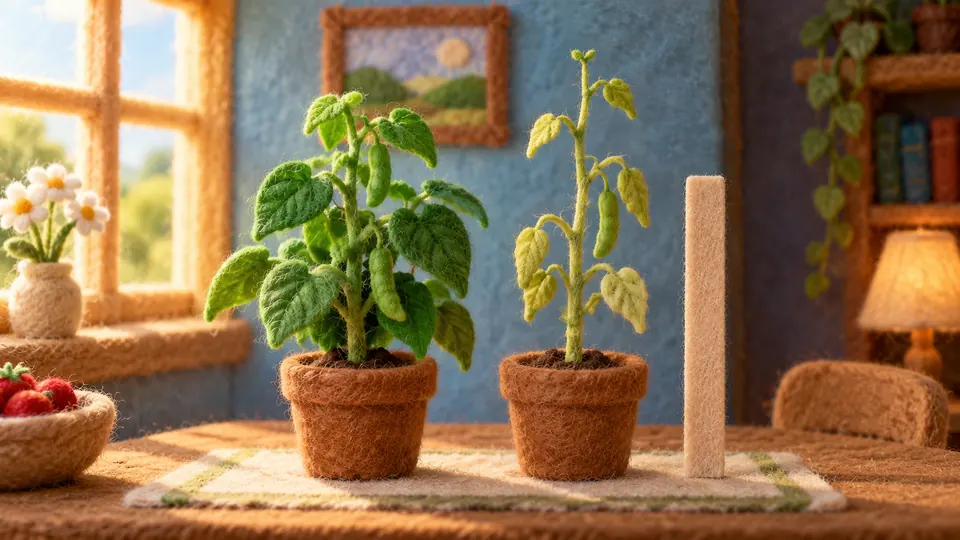 United States · 8–9 yearsExplain a plant resultConnect growing conditions to observed traits while checking comparisons and uncertainty.
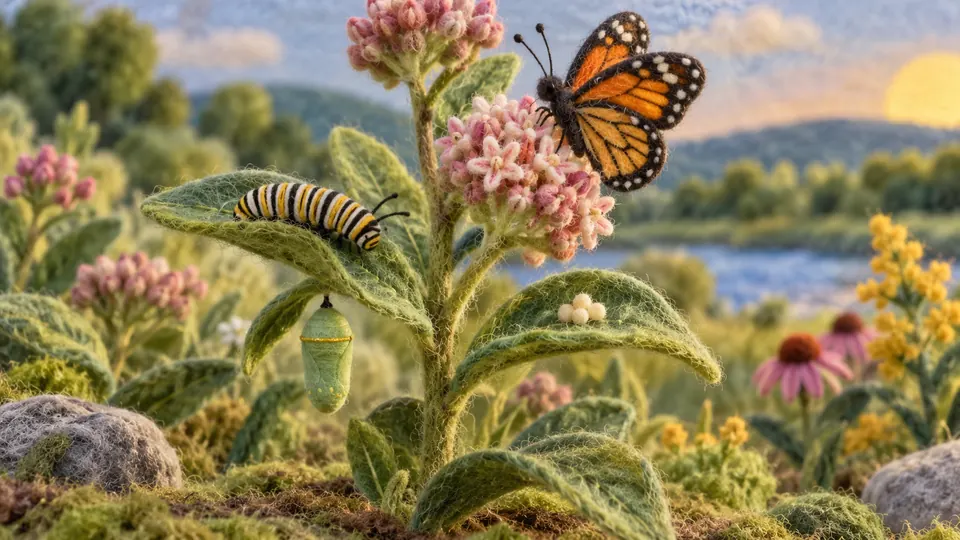 United States · 8–9 yearsCompare life cyclesIdentify, order and compare organism records without forcing every life into one template.
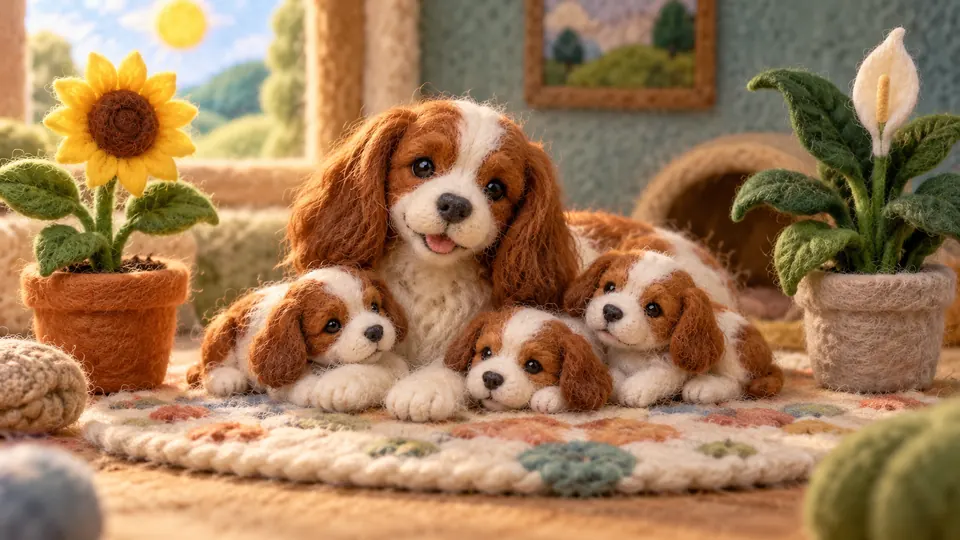 United States · 8–9 yearsInherited and environmental influencesCompare parent-offspring patterns, learning and growing conditions with honest limits.
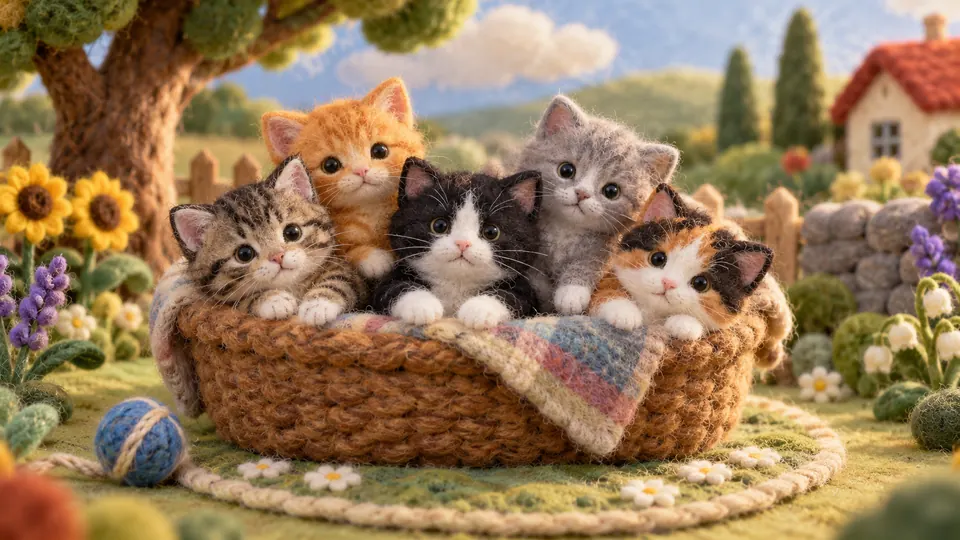 United States · 8–9 yearsTraits are not identicalRead small non-human datasets and describe resemblance, variation and uncertainty.
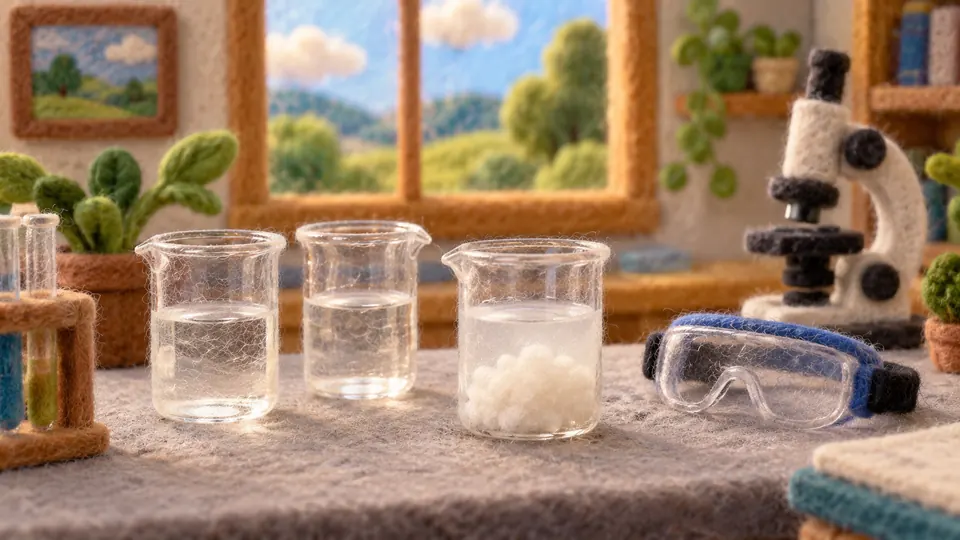 United States · 10–11 yearsMixing or a new substance?Distinguish retained materials, possible new substances and conclusions needing more evidence.
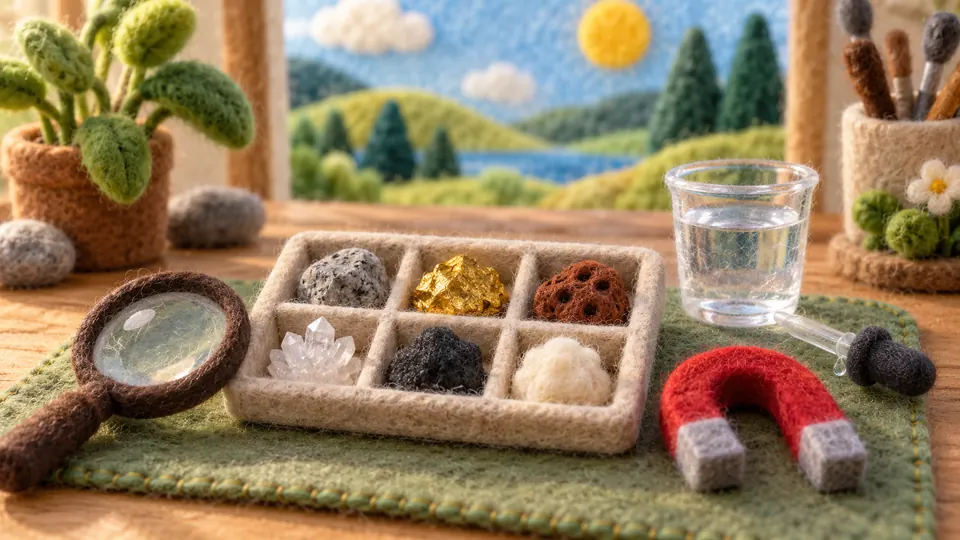 United States · 10–11 yearsIdentify from propertiesCombine test signatures, choose useful evidence and keep uncertain identifications open.
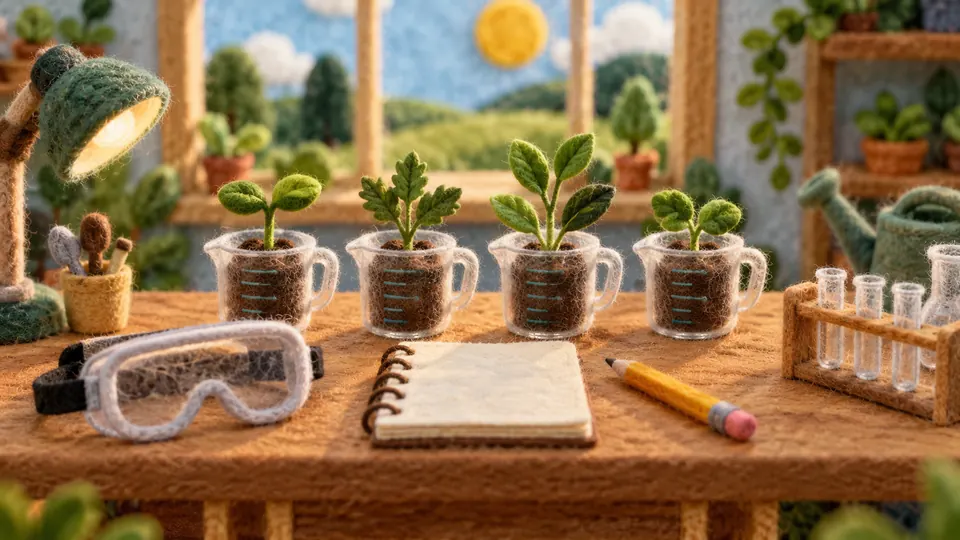 United States · 10–11 yearsPlan a safe comparisonChoose clear measurements, controlled comparisons and conclusions the evidence can support.
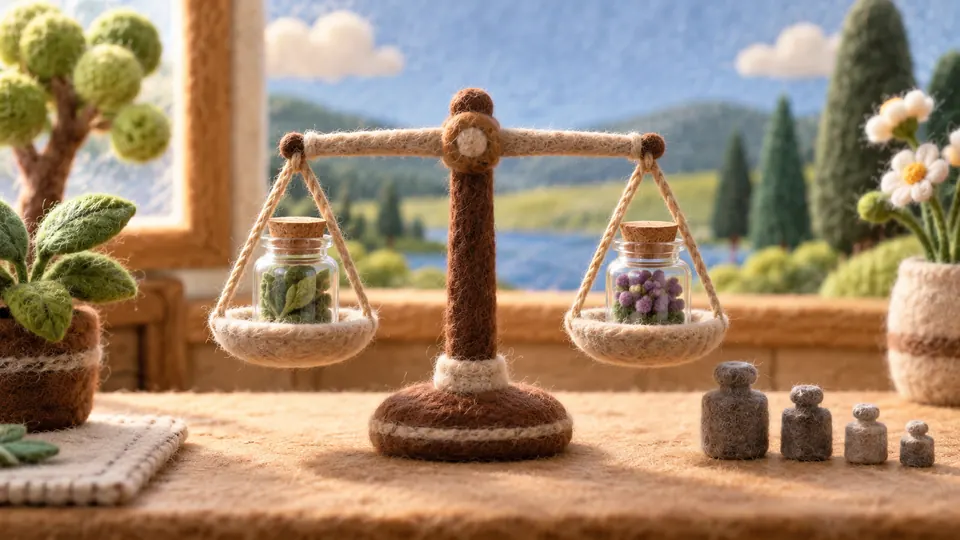 United States · 10–11 yearsWeight before and afterFollow every part of a measured system through mixing and changes of form.
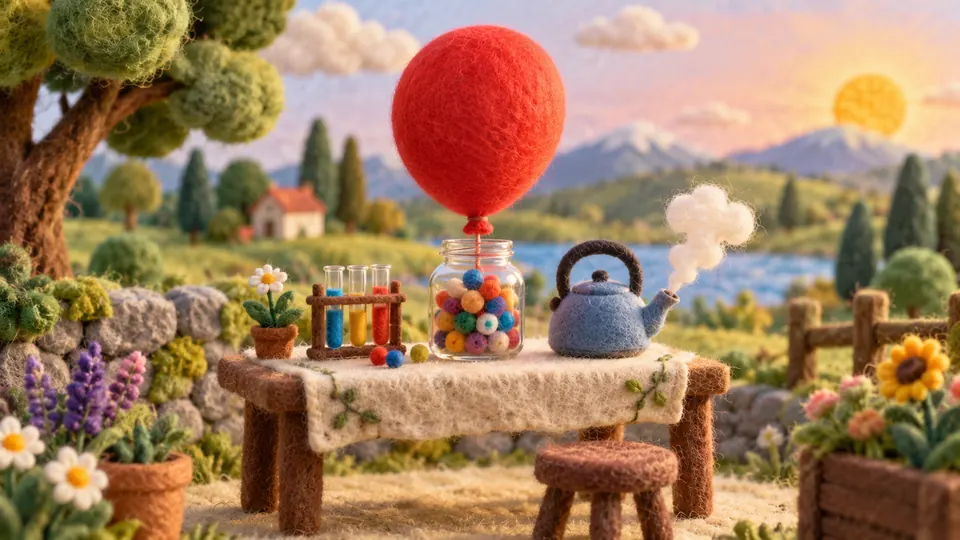 United States · 10–11 yearsParticles explain matterUse visible observations to test explanations about matter too small to see.