
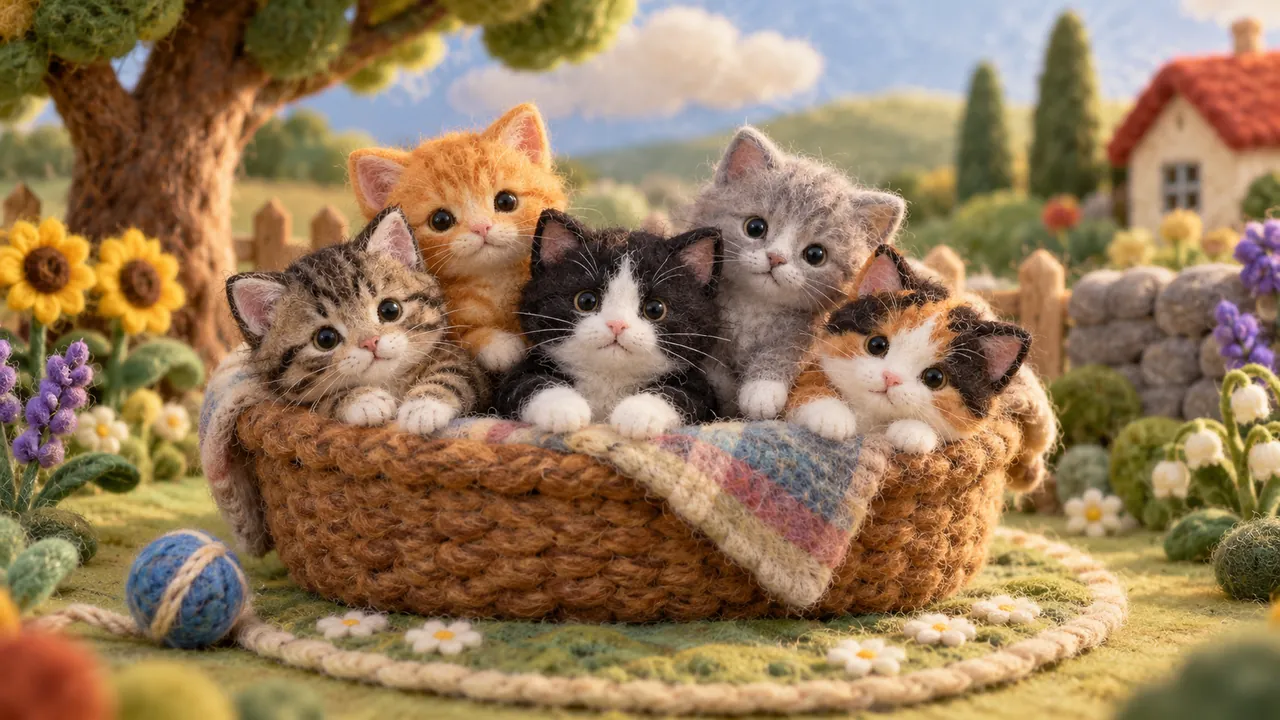
Read small non-human datasets and describe resemblance, variation and uncertainty.
What it is about
Use data showing variation among related organisms.
Grade 3 · 8–9 years · 30 challenges
Before you begin
- K–2 observations of materials, habitats, life structures and Earth changes.
What the class will do
- Choose and explain · 30 challenges
Traits are not identical
Use data showing variation among related organisms.
Using it in class
Everyone compares each named trait before discussing a summary and rotating the representative. All groups and measurements are supplied illustrative records, not real pupils or families. No genetic predictions. Allow 25–40 minutes for 30 or use a short round.
Give everyone time to think and discuss before one pupil acts at the board. The class explains and confirms together; hints and explanations stay until you move on.
Use an up-to-date browser on a computer connected to a whiteboard or shared display. Touch, mouse and keyboard; optional audio and reduced motion. No pupil accounts or personal devices.
Choose from 5 challenges up to the full activity. Discussion determines the duration: you set the pace.
Teacher Pro access includes all 30 challenges, interactive materials, hints and explanations for this activity.
Explore more games like this
Explore this subject in the library →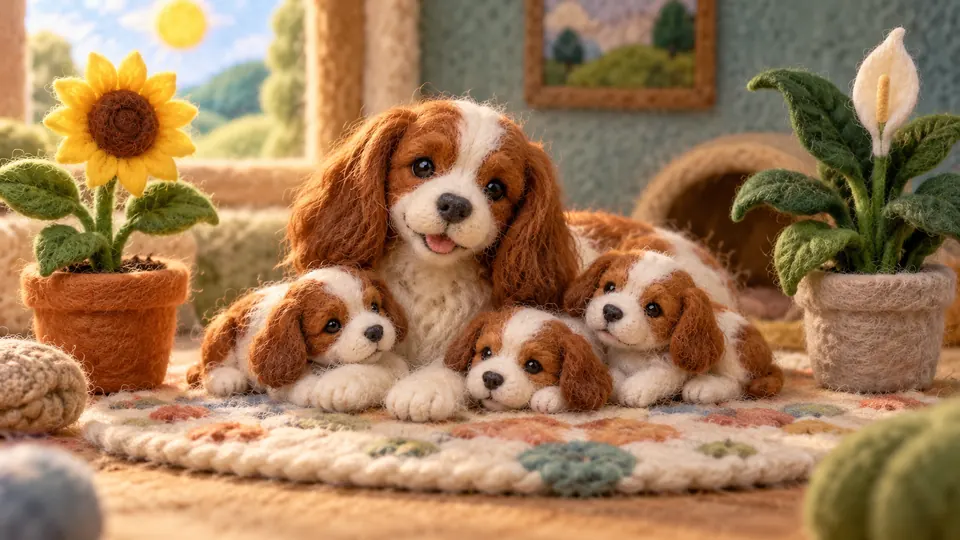 Inherited and environmental influencesGrade 3 · ProUse animal/plant examples to distinguish inherited variation from environmental effects.
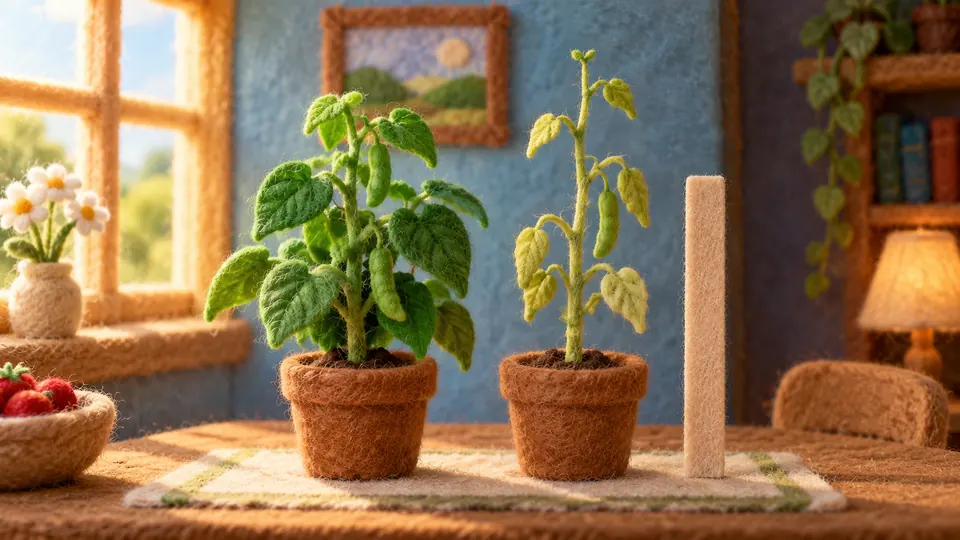 Explain a plant resultGrade 3 · ProConnect a growth condition to a trait using supplied evidence without overclaiming causation.
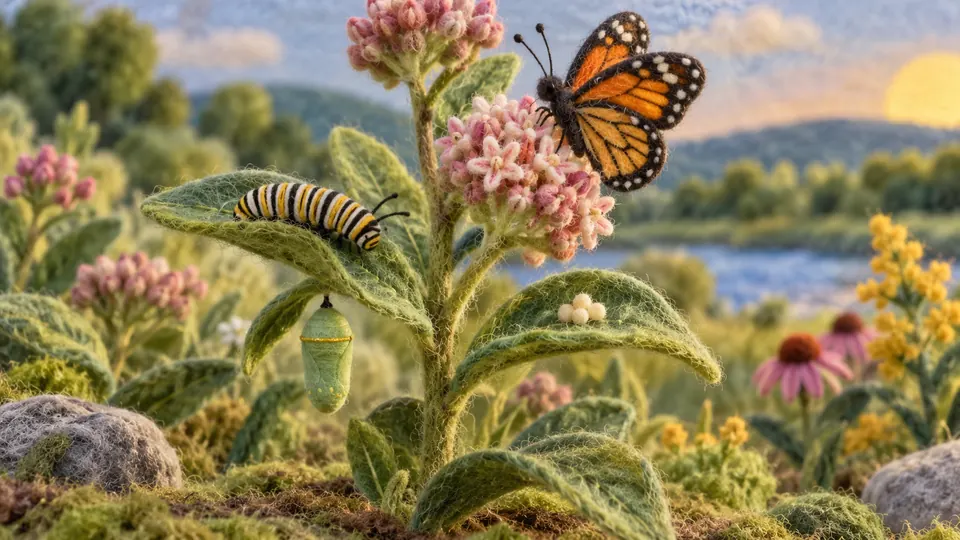 Compare life cyclesGrade 3 · FreeModel birth/growth/reproduction/death across varied plants/animals without a single rigid sequence for all.