Predict, test and explain shadows, series circuits and floating, recognising model limitations.
Year 4–Year 6 · 8–11 years · 30 challenges
What the class will do
Predict and experiment · 5 challenges
Light and shadow
Move only the torch; the object and screen stay fixed.
Predict and experiment · 5 challenges
The current’s path
Test the two switches in a series circuit.
Predict and experiment · 5 challenges
Tests in water
Compare solid samples of equal volume.
Choose and explain · 15 challenges
Explain the evidence
Use observations to explain, not just recall.
Using it in class
Invite everyone to predict and explain before each board turn. Each activity stands alone. Adapt the pauses; simulations support real observations and do not replace them.
Give everyone time to think and discuss before one pupil acts at the board. The class explains and confirms together; hints and explanations stay until you move on.
Use an up-to-date browser on a computer connected to a whiteboard or shared display. Touch, mouse and keyboard; optional audio and reduced motion. No pupil accounts or personal devices.
Choose from 5 challenges up to the full activity. Discussion determines the duration: you set the pace.
A look inside the activities
Predict and experiment
Test 1: make a shadow with relative size 5.
The model at the start
Starting distance: 3 of 5; relative shadow size: 3. In the game, move the torch from 1 (near) to 5 (far), keeping the object and screen fixed. The numbers compare shadows; they are not centimetres.
Experiment: light and shadows. The class predicts, changes one condition and compares what happens.
Explanation and discussion
In this model, distance 1 gives size 5. Compare two tests changing only distance.
Think first. Then compare your idea with a partner.
Predict and experiment
Light the bulb by completing the path.
The model at the start
Switches 1 and 2 are open. In the game, open or close them and observe the bulb.
Experiment: electric circuit. The class predicts, changes one condition and compares what happens.
Explanation and discussion
With both switches closed, this series circuit is complete.
Think first. Then compare your idea with a partner.
Predict and experiment
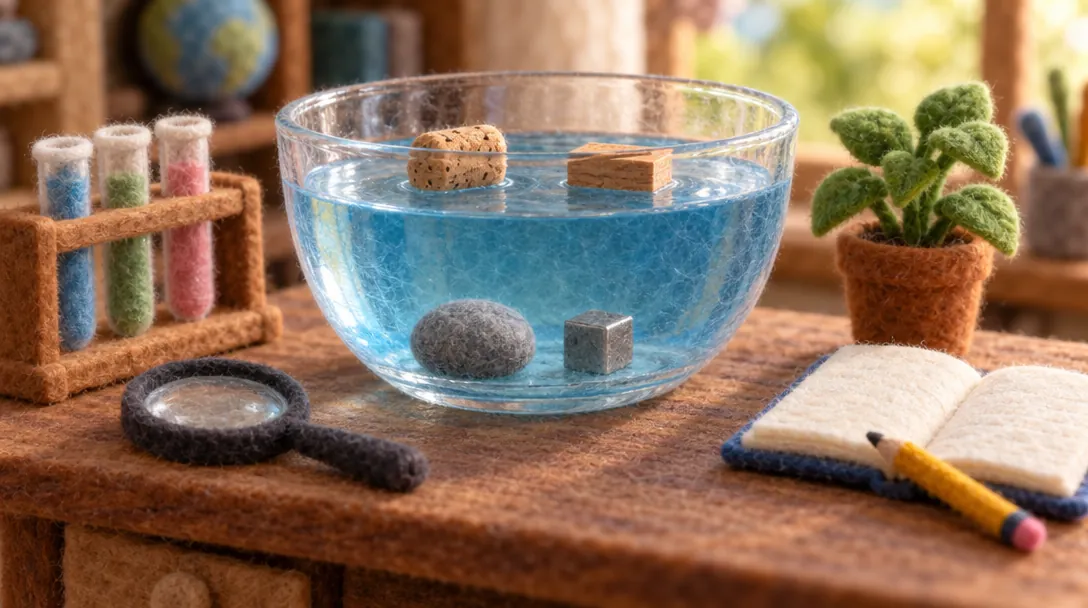
Find a sample that floats.
The model at the start
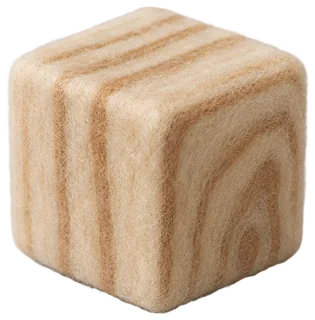
Dry wood
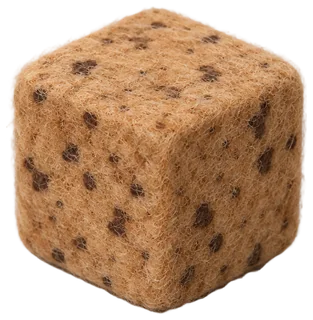
Cork
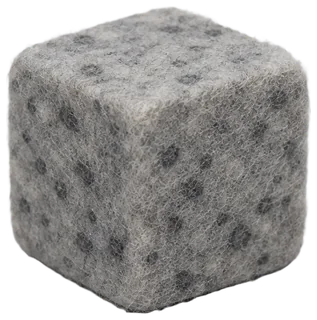
Stone
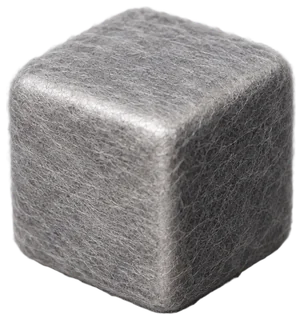
Steel
In the game, choose a sample and observe. Solid samples of equal volume, without cavities, in fresh water.
Experiment: floating materials. The class predicts, changes one condition and compares what happens.
Explanation and discussion
The model’s dry wood and cork samples are less dense than water, so they float.
Think first. Then compare your idea with a partner.


 A complete loop
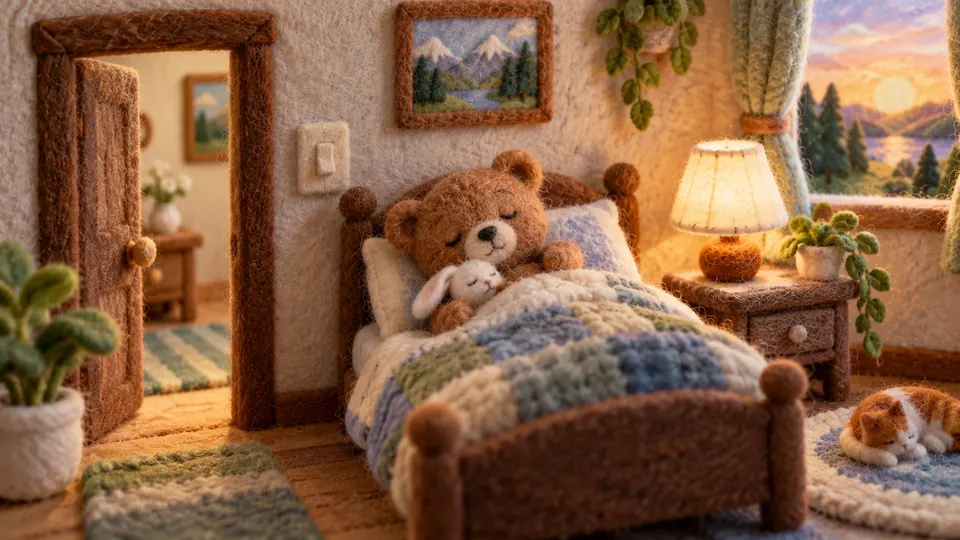 Switches control flow
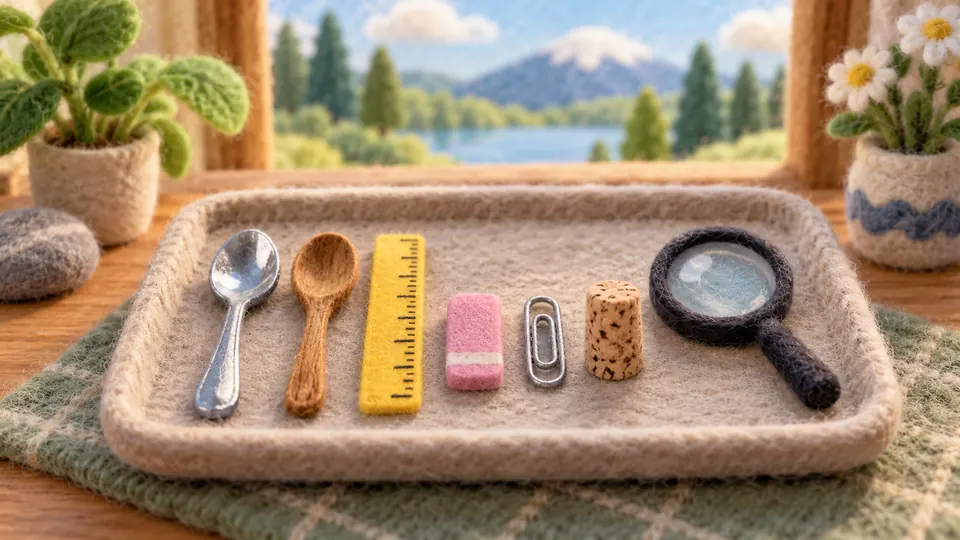 Conductors and insulators