 United States · 8–9 yearsExplain a plant resultConnect growing conditions to observed traits while checking comparisons and uncertainty.
One screen. The whole class.
Life cycles, traits and variation
Life cycles, traits and variation: Compare life cycles → Inherited and environmental influences → Traits are not identical → Explain a plant result.
Learning goals
- Model birth/growth/reproduction/death across varied plants/animals without a single rigid sequence for all.
- Use animal/plant examples to distinguish inherited variation from environmental effects.
- Use data showing variation among related organisms.
- Connect a growth condition to a trait using supplied evidence without overclaiming causation.
A suggested order, with freedom to open or replay any available activity. Played activities help teachers continue a sequence; they do not measure mastery.
Open this path in the classroomBefore you begin
- K–2 observations of materials, habitats, life structures and Earth changes.
One computer and a whiteboard or shared display. Pupils participate without accounts. The teacher sets the pace and can repeat or skip each activity.
Compare life cycles · Free
Model birth/growth/reproduction/death across varied plants/animals without a single rigid sequence for all.
Inherited and environmental influences · Pro
Use animal/plant examples to distinguish inherited variation from environmental effects.
Traits are not identical · Pro
Use data showing variation among related organisms.
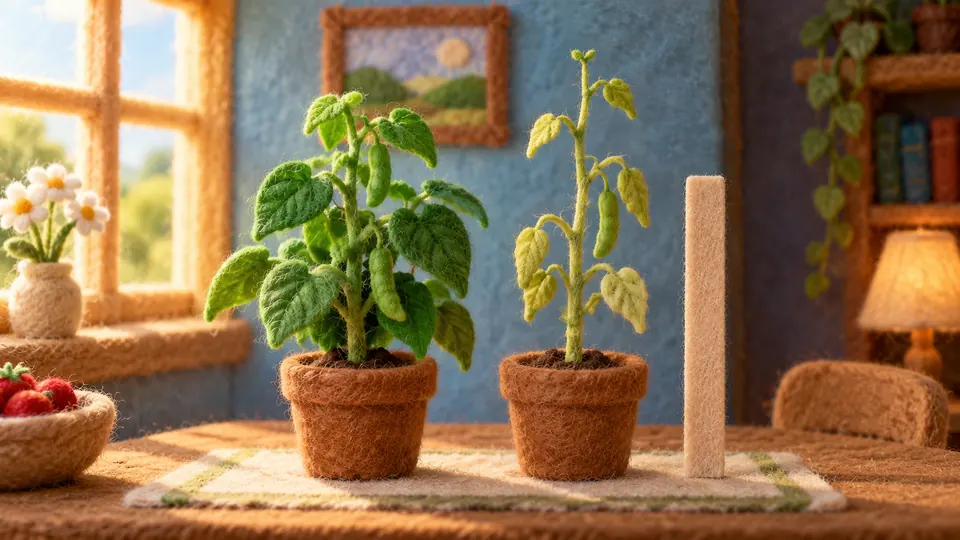
Explain a plant result · Pro
Connect a growth condition to a trait using supplied evidence without overclaiming causation.
United States · 8–9 yearsExplain a plant resultConnect growing conditions to observed traits while checking comparisons and uncertainty.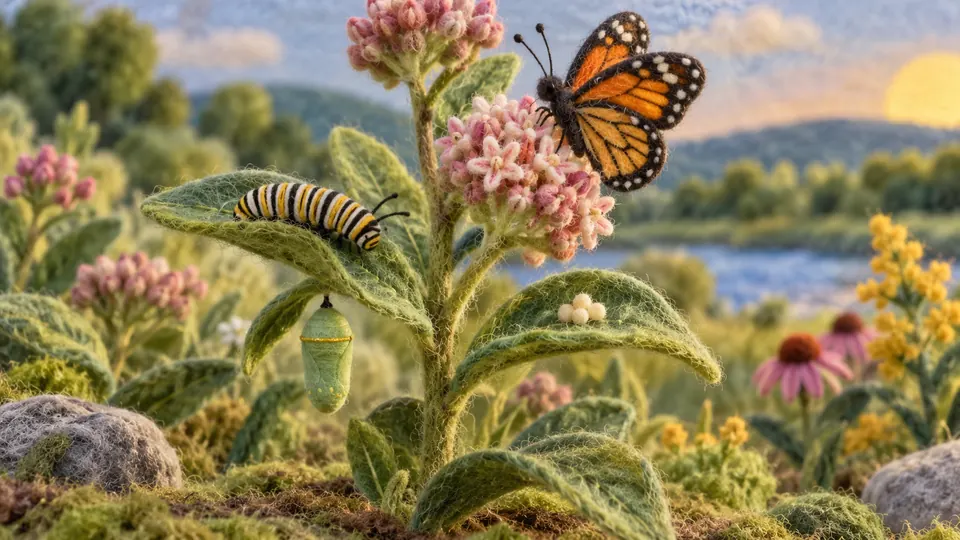 United States · 8–9 yearsCompare life cyclesIdentify, order and compare organism records without forcing every life into one template.
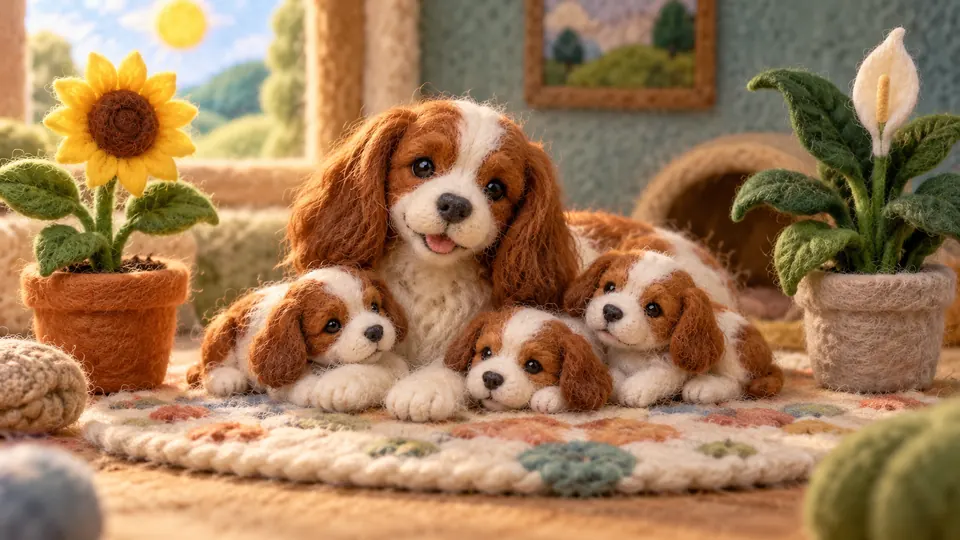 United States · 8–9 yearsInherited and environmental influencesCompare parent-offspring patterns, learning and growing conditions with honest limits.
 United States · 8–9 yearsTraits are not identicalRead small non-human datasets and describe resemblance, variation and uncertainty.