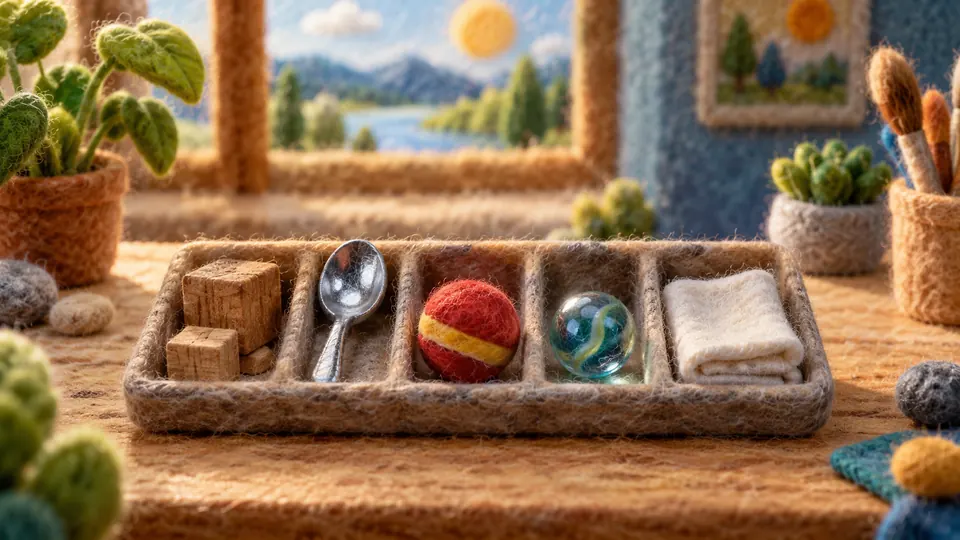
 United States · 7–8 yearsSort by propertiesSort sample records, connect tests to properties, and explain your evidence.
One screen. The whole class.
Materials and changes
Materials and changes: Sort by properties → Choose a suitable material → Parts can be rearranged → Heating and cooling changes.
Learning goals
- Classify materials using observable properties from a supplied test.
- Compare test results against a stated design purpose.
- Recognize different objects made from the same set of pieces.
- Distinguish reversible examples from changes that cannot be reversed by cooling.
A suggested order, with freedom to open or replay any available activity. Played activities help teachers continue a sequence; they do not measure mastery.
Open this path in the classroomBefore you begin
- Grade1 structure/function, observations and evidence-based design.
One computer and a whiteboard or shared display. Pupils participate without accounts. The teacher sets the pace and can repeat or skip each activity.
Sort by properties · Free
Classify materials using observable properties from a supplied test.
Choose a suitable material · Free
Compare test results against a stated design purpose.
Parts can be rearranged · Free
Recognize different objects made from the same set of pieces.
Heating and cooling changes · Free
Distinguish reversible examples from changes that cannot be reversed by cooling.
United States · 7–8 yearsSort by propertiesSort sample records, connect tests to properties, and explain your evidence. United States · 7–8 yearsChoose a suitable materialUse simple test evidence to choose materials for particular jobs.
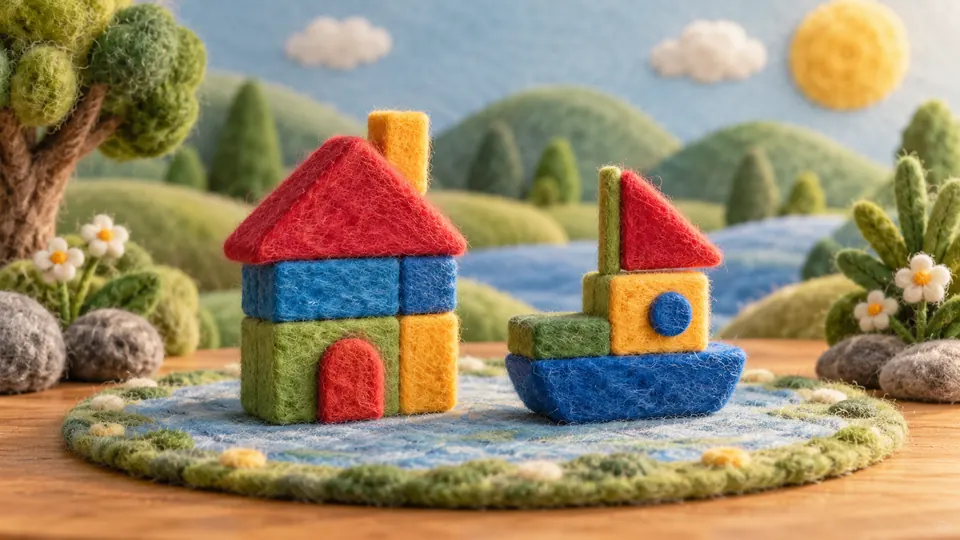 United States · 7–8 yearsParts can be rearrangedCompare builds, track pieces, and explain what changes when an object is rebuilt.
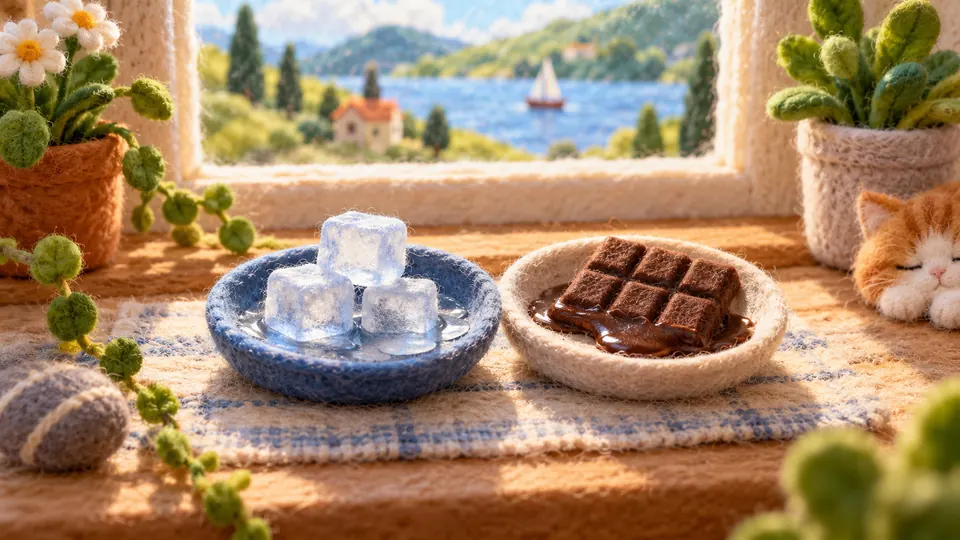 United States · 7–8 yearsHeating and cooling changesSort adult observation records and explain when a material returns to its starting state.