Counting on together
Build addition within 20 through counting on and combining groups. Make time to compare strategies.
- Combine quantities and explain an addition strategy.
Explore: Counting on together, Multiplication at the market, A trail of complete sentences. See learning goals and a suggested sequence; start with any available activity.
Build addition within 20 through counting on and combining groups. Make time to compare strategies.
Connect repeated addition, equal groups and facts for 2, 5 and 10. Use this as supported recall alongside the wider year programme.
Build meaningful sentences from word groups and explain the order using grammar and meaning.
Explore the needs and features of living things and how habitats provide resources. Review the broad bank for your year group.
Sounds into words: Hear, blend, read → Common exception words → Word endings → Choose a decoding strategy.
Stories and information: Who, where and what? → Retell the story → Clues and predictions → Words and rhymes → Find a fact.
Counting and representing numbers: Count without missing → Ten and some more → Neighbours on the line → Counting patterns.
Adding and taking away: Parts make a whole → Crossing ten with pictures → What remains? → One-step stories → Explain the missing part.
Habitats and food links: Living, dead or never alive → Homes for living things → Food chains → Protect a microhabitat.
Thinking like a historian: Dates and periods → Archaeology and written sources → Support a claim → Compare two accounts.
Light and shadows: Seeing needs light → Reflection and safety → Shadows appear → Changing a shadow.
Words across texts: Morphology for meaning → Dictionary and context → Spelling and possessives → Word-family reasoning.
Reading beyond the surface: Summarise a paragraph → Justify an inference → Language and structure → Poetry and plays → Compare viewpoints.
Simple electric circuits: A complete loop → Switches control flow → Conductors and insulators → Find the fault safely.
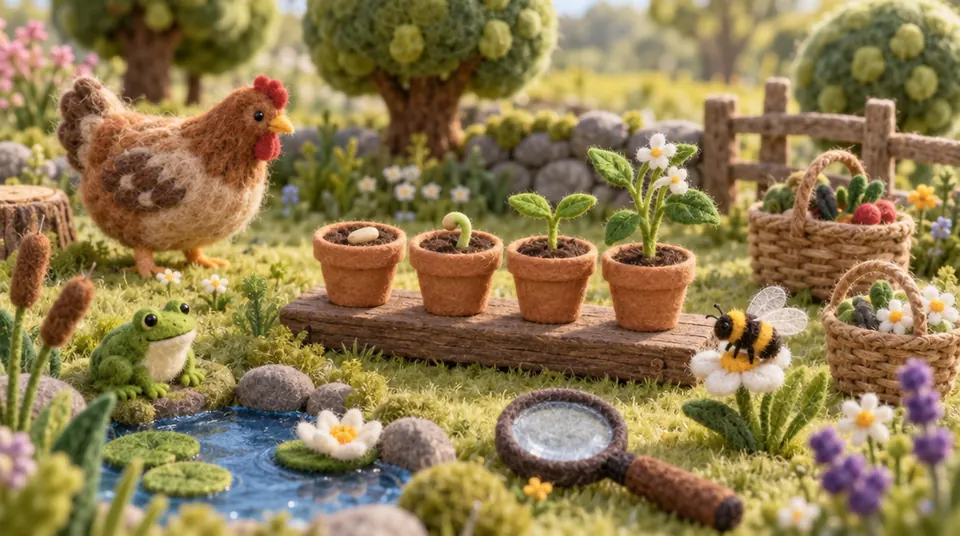 England · 7–9 yearsThe discovery gardenConnected short activities, one shared discovery.
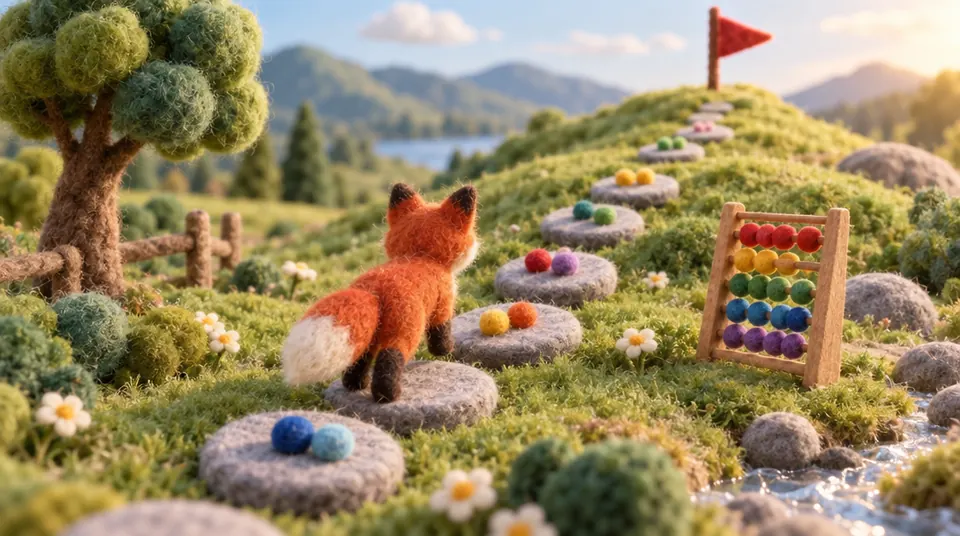 England · 6–8 yearsThe number trailConnected short activities, one shared discovery.
 England · 8–11 yearsThe experiment workshopConnected short activities, one shared discovery.
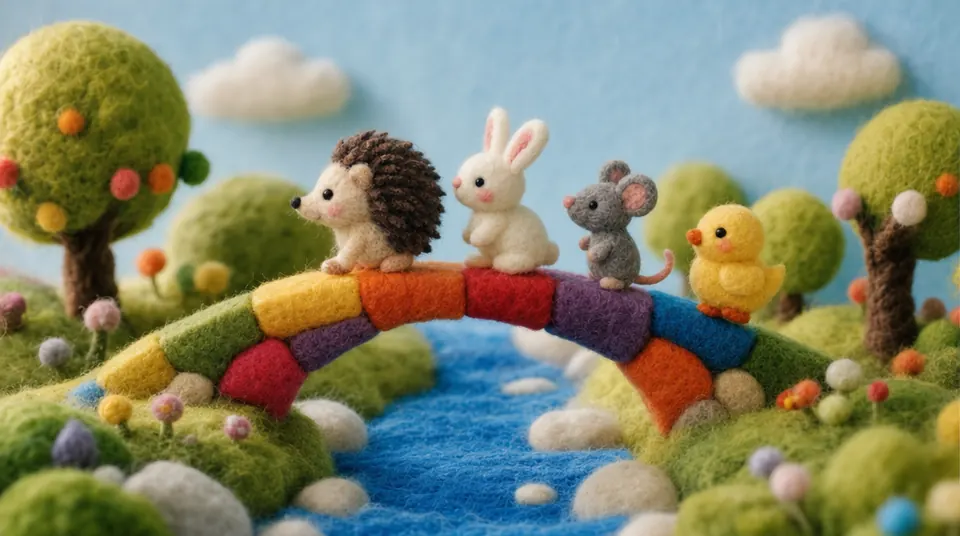 England · 5–7 yearsThe number bridgeJoin small groups and practise addition within 20.
 England · 7–9 yearsThe multiplication marketCount equal groups of fruit, books and classroom treasures.
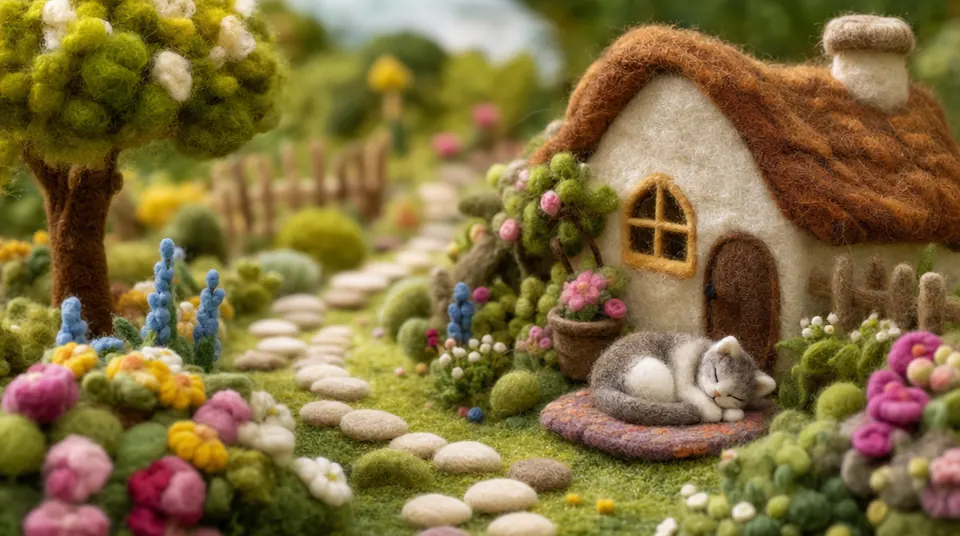 England · 6–8 yearsThe word trailPut the pieces together to build complete sentences.
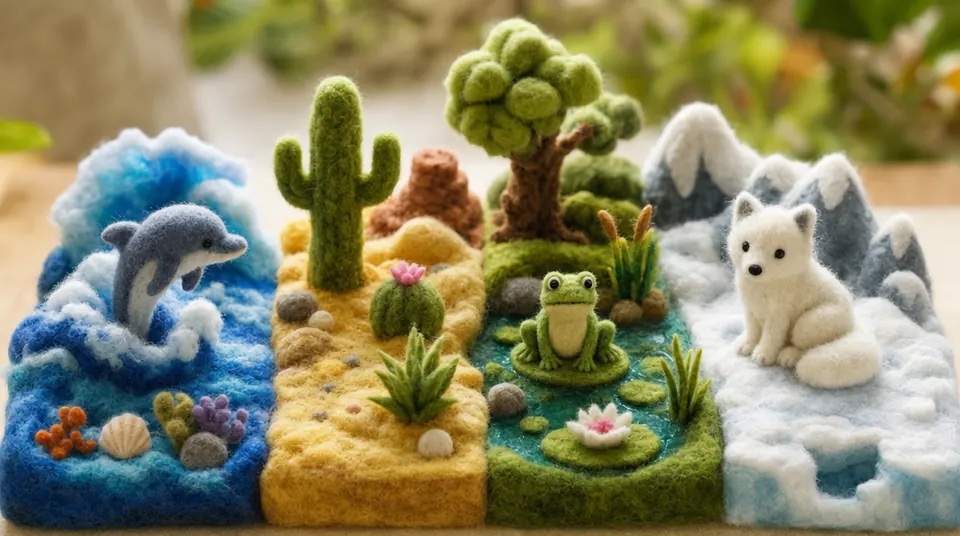 England · 7–11 yearsHabitat explorersDiscover living things and the places they call home.
 England · 5–6 yearsHear, blend, readListen to your teacher, match letters and blend short words.
 England · 5–6 yearsCommon exception wordsRead familiar words carefully in short, teacher-read sentences.
 England · 5–6 yearsWord endingsRead the whole word: small endings can change its meaning.
 England · 5–6 yearsChoose a decoding strategySpot skipped sounds, check whole words and explain how you read.
 England · 5–6 yearsWho, where and what?Listen as your teacher reads each story. Find the detail that answers the question.
 England · 5–6 yearsRetell the storyYour teacher reads the story. Put its event cards in order and tell it again.
 England · 5–6 yearsClues and predictionsListen to your teacher. Use what the story says to explain a feeling or predict a next step.
 England · 5–6 yearsWords and rhymesYour teacher reads original little poems. Listen for rhyme, repeated language and word meanings.
 England · 5–6 yearsFind a factListen to short notices, labels and information texts. Use the heading to find the fact you need.
 England · 5–6 yearsParts make a wholeFind partners that make ten or twenty, and explain what equal means.
 England · 5–6 yearsCrossing ten with picturesUse parts of a group to reach ten, then include the rest.
 England · 5–6 yearsWhat remains?Use objects, matching and number lines to explain subtraction.
 England · 5–6 yearsOne-step storiesChoose the calculation that matches joining, changing and comparing.
 England · 5–6 yearsExplain the missing partSolve a missing number and explain why a counting mistake fails.
 England · 5–6 yearsCount without missingCount each object once and connect the amount to a numeral or number word.
 England · 5–6 yearsTen and some moreUse teacher-drawn ten-frames to build and read teen numbers.
 England · 5–6 yearsNeighbours on the lineOrder number cards and reason about one more and one less.
 England · 5–6 yearsCounting patternsContinue, repair and explain counts in twos, fives and tens.
 England · 6–7 yearsLiving, dead or never aliveSort real-life evidence, find pictured examples and explain tricky cases.
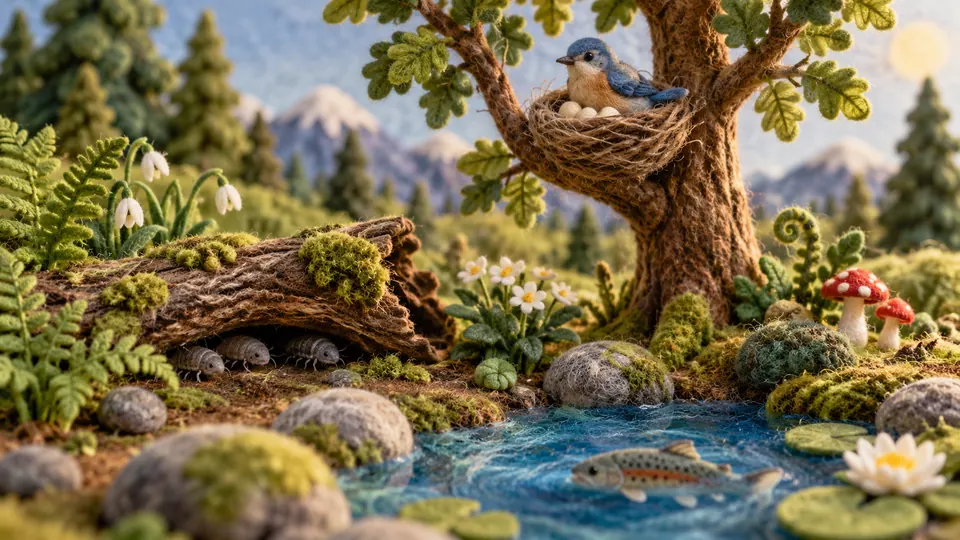 England · 6–7 yearsHomes for living thingsConnect pictured living things to places and resources that meet the stated need.
 England · 6–7 yearsFood chainsBuild pictured food links, find plant foods and explain how food energy passes.
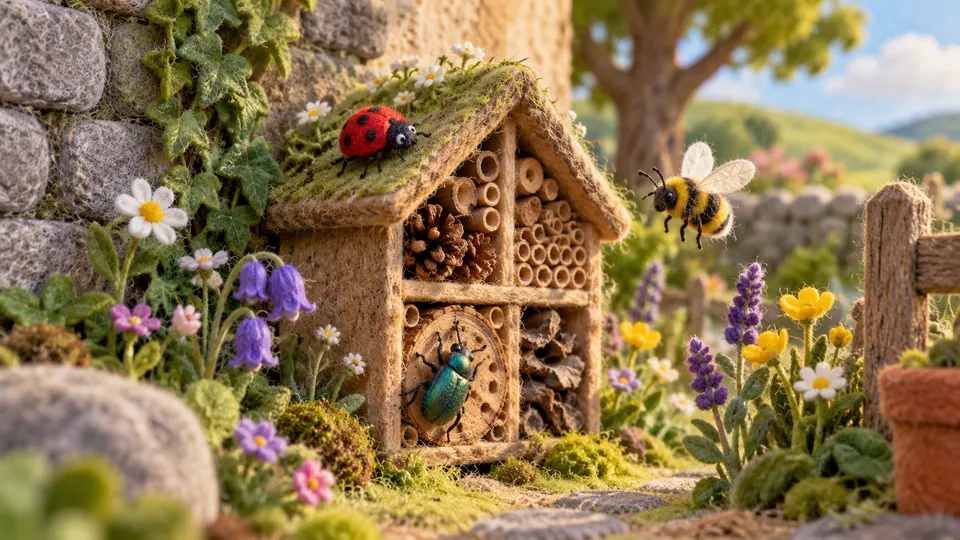 England · 6–7 yearsProtect a microhabitatUse pictured resource records to predict effects of a small habitat change.
 England · 7–8 yearsDates and periodsRead dated timelines, keep uncertainty and separate an event from its discovery
 England · 7–8 yearsArchaeology and written sourcesChoose evidence for a question, and keep track of what it cannot tell us
 England · 7–8 yearsSupport a claimUse a clue, qualify the conclusion and ask what could change it
 England · 7–8 yearsCompare two accountsKeep shared details, notice differences and ask the next useful question
 England · 7–8 yearsSeeing needs lightSort light evidence, distinguish sources from reflectors and explain darkness.
 England · 7–8 yearsReflection and safetyExplain reflected light and choose safe ways to investigate it.
 England · 7–8 yearsShadows appearUse material-test evidence to explain where light is blocked.
 England · 7–8 yearsChanging a shadowExplore a torch model, arrange evidence and decide what makes a fair test.
 England · 8–9 yearsLanguage and structureBuild a stated paragraph plan and explain how wording changes meaning
 England · 8–9 yearsJustify an inferenceUse linked clues, compare motives and revise when evidence changes
 England · 8–9 yearsCompare viewpointsCompare short sources, connect a theme and keep fact separate from inference
 England · 8–9 yearsPoetry and playsCompare images, repeated language and the meaning of supplied performance cues
 England · 8–9 yearsSummarise a paragraphFind the central idea, connect details and keep the important limits
 England · 8–9 yearsMorphology for meaningBuild, compare and test meanings from familiar word parts
 England · 8–9 yearsDictionary and contextOne word, different senses: let the sentence decide
 England · 8–9 yearsSpelling and possessivesUse word structure and ownership evidence to choose precise forms
 England · 8–9 yearsWord-family reasoningProve a meaningful connection and challenge look-alike letter strings
 England · 8–9 yearsA complete loopTrace the connections, test a loop and explain when a component can work.
 England · 8–9 yearsSwitches control flowTest switch outcomes, locate gaps and reason about changes.
 England · 8–9 yearsConductors and insulatorsClassify controlled test records and distinguish evidence from appearance.
 England · 8–9 yearsFind the fault safelyChoose one informative next test and keep uncertain causes open.