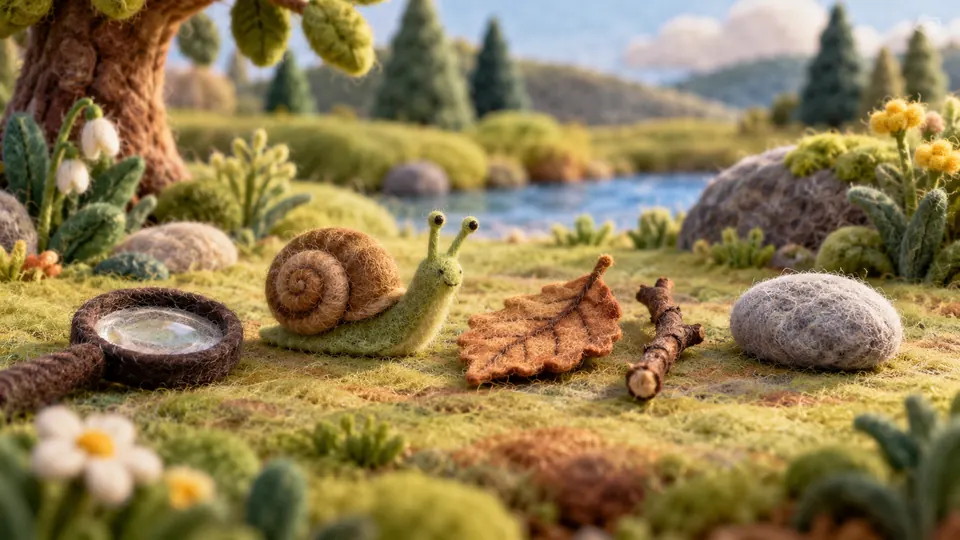
 England · 6–7 yearsLiving, dead or never aliveSort real-life evidence, find pictured examples and explain tricky cases.
One screen. The whole class.
Habitats and food links
Habitats and food links: Living, dead or never alive → Homes for living things → Food chains → Protect a microhabitat.
Learning goals
- Classify examples using life-process evidence, handling wooden objects carefully.
- Match organisms to local habitats/microhabitats and basic needs.
- Identify plant-based energy links in simple producer–consumer chains.
- Use observation to explain effects of a local habitat change.
A suggested order, with freedom to open or replay any available activity. Played activities help teachers continue a sequence; they do not measure mastery.
Open this path in the classroomBefore you begin
- Year 1 organisms, plant parts, body senses and material descriptions.
One computer and a whiteboard or shared display. Pupils participate without accounts. The teacher sets the pace and can repeat or skip each activity.
Living, dead or never alive · Free
Classify examples using life-process evidence, handling wooden objects carefully.
Homes for living things · Free
Match organisms to local habitats/microhabitats and basic needs.
Food chains · Free
Identify plant-based energy links in simple producer–consumer chains.
Protect a microhabitat · Free
Use observation to explain effects of a local habitat change.
England · 6–7 yearsLiving, dead or never aliveSort real-life evidence, find pictured examples and explain tricky cases.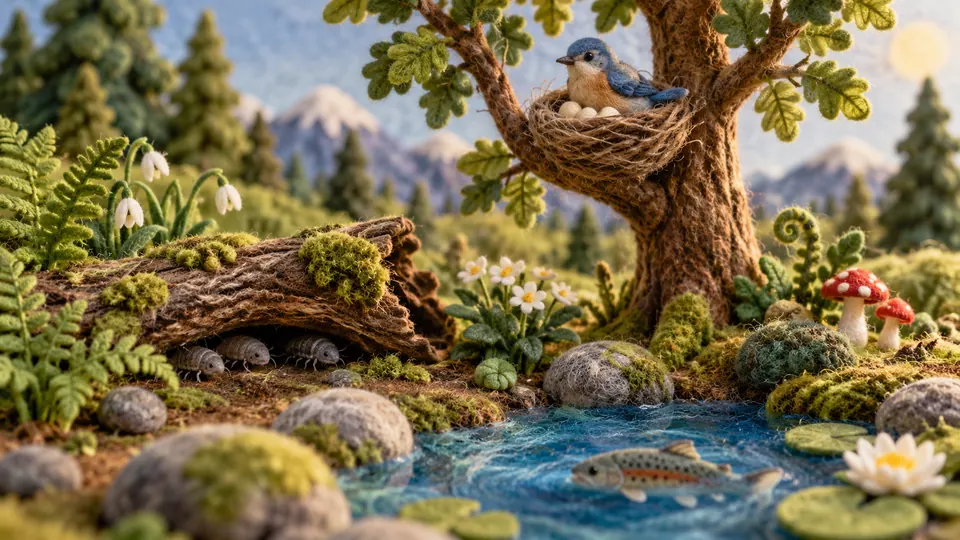 England · 6–7 yearsHomes for living thingsConnect pictured living things to places and resources that meet the stated need.
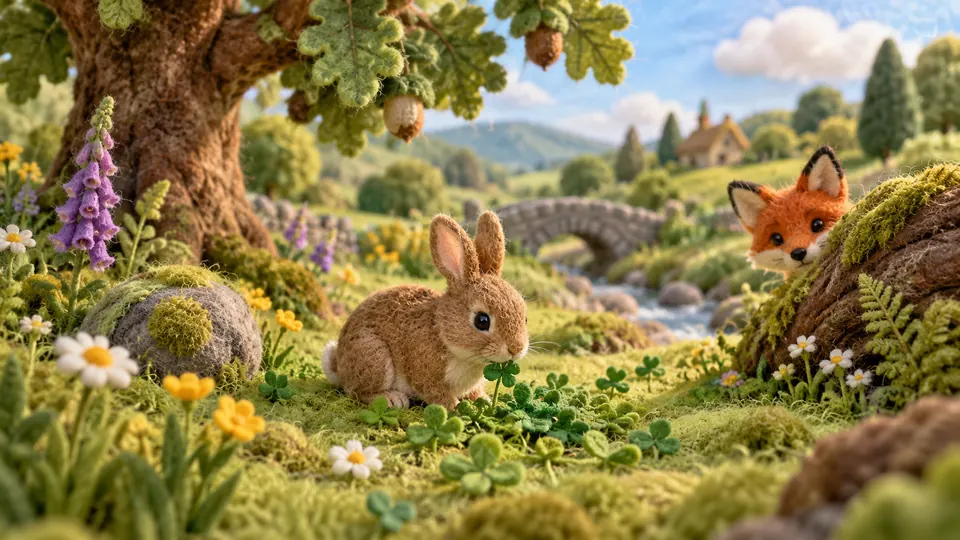 England · 6–7 yearsFood chainsBuild pictured food links, find plant foods and explain how food energy passes.
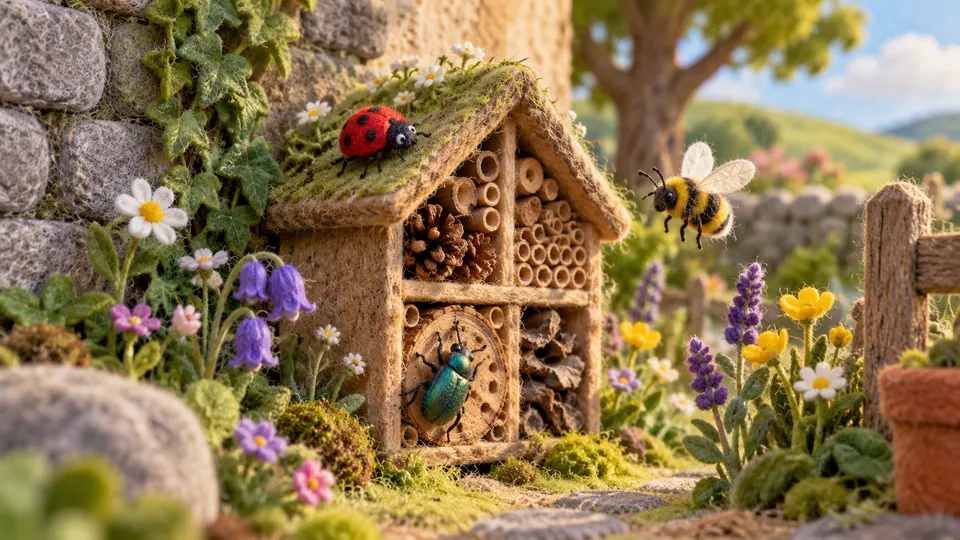 England · 6–7 yearsProtect a microhabitatUse pictured resource records to predict effects of a small habitat change.