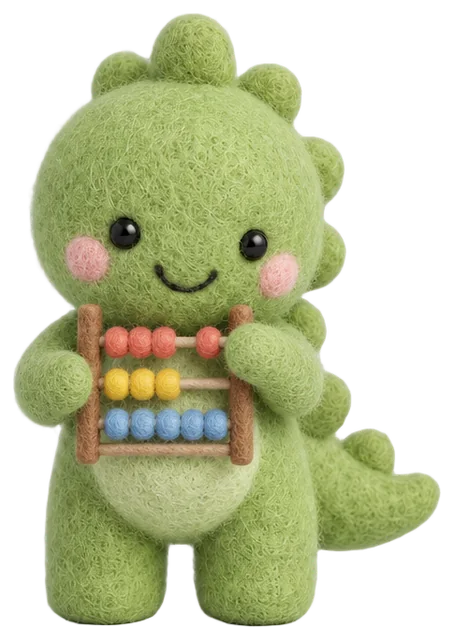
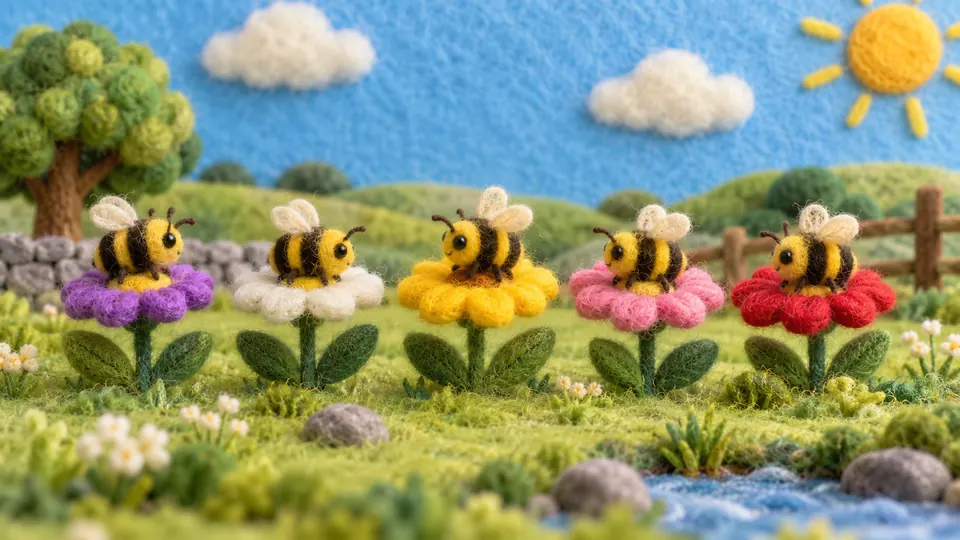
 England · 5–6 yearsCount without missingCount each object once and connect the amount to a numeral or number word.
One screen. The whole class.
Counting and representing numbers
Counting and representing numbers: Count without missing → Ten and some more → Neighbours on the line → Counting patterns.
Learning goals
- Count pictured sets to 20, including zero; match numeral, word and quantity.
- Compose teens as ten and ones using ten frames; distinguish 14 from 41.
- Order three or four numbers within 100; identify one more and one less.
- Count in twos, fives and tens; identify a missing term without multiplying formally.
A suggested order, with freedom to open or replay any available activity. Played activities help teachers continue a sequence; they do not measure mastery.
Open this path in the classroomBefore you begin
- Count small sets and compare familiar objects.
One computer and a whiteboard or shared display. Pupils participate without accounts. The teacher sets the pace and can repeat or skip each activity.
Count without missing · Free
Count pictured sets to 20, including zero; match numeral, word and quantity.
Ten and some more · Free
Compose teens as ten and ones using ten frames; distinguish 14 from 41.
Neighbours on the line · Free
Order three or four numbers within 100; identify one more and one less.
Counting patterns · Free
Count in twos, fives and tens; identify a missing term without multiplying formally.
England · 5–6 yearsCount without missingCount each object once and connect the amount to a numeral or number word.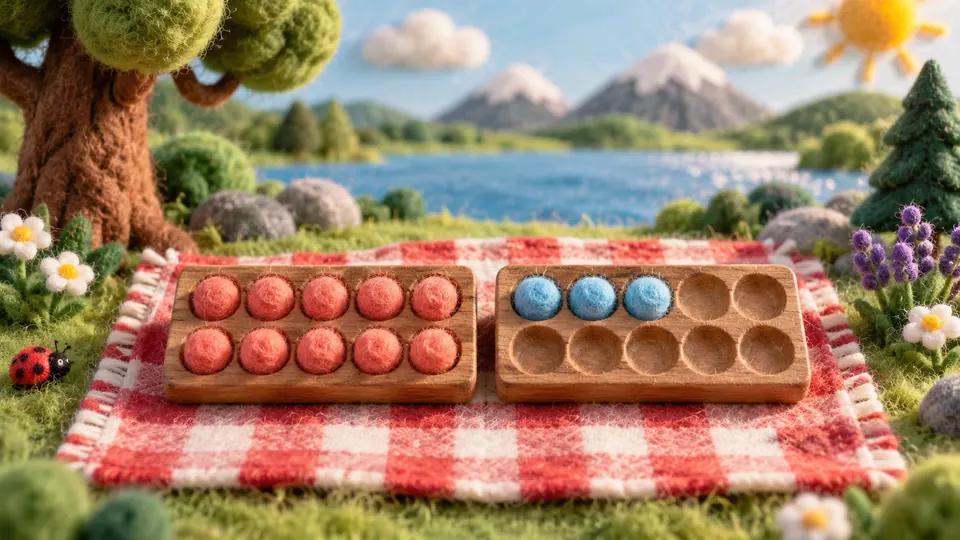 England · 5–6 yearsTen and some moreUse teacher-drawn ten-frames to build and read teen numbers.
 England · 5–6 yearsNeighbours on the lineOrder number cards and reason about one more and one less.
 England · 5–6 yearsCounting patternsContinue, repair and explain counts in twos, fives and tens.