Living things and their homes
Connect organisms’ needs and features to their habitats. Review the broad bank for your grade before playing.
- Connect features, needs and habitats using evidence.
Explore science: Living things and their homes, Materials and changes, Life cycles, traits and variation. See learning goals and a suggested sequence; start with any available activity.
Connect organisms’ needs and features to their habitats. Review the broad bank for your grade before playing.
Materials and changes: Sort by properties → Choose a suitable material → Parts can be rearranged → Heating and cooling changes.
Life cycles, traits and variation: Compare life cycles → Inherited and environmental influences → Traits are not identical → Explain a plant result.
Matter, particles and change: Particles explain matter → Weight before and after → Identify from properties → Mixing or a new substance? → Plan a safe comparison.
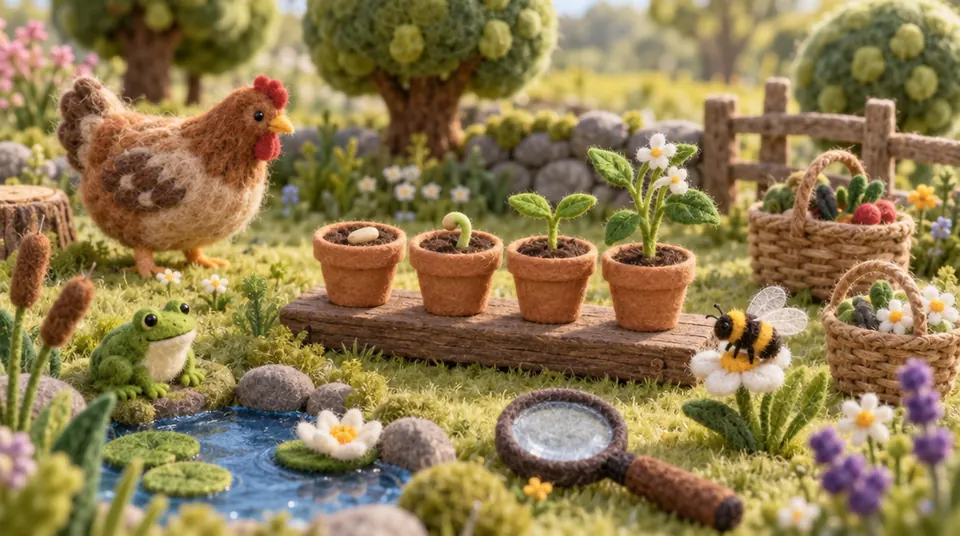 United States · 7–9 yearsThe discovery gardenConnected short activities, one shared discovery.
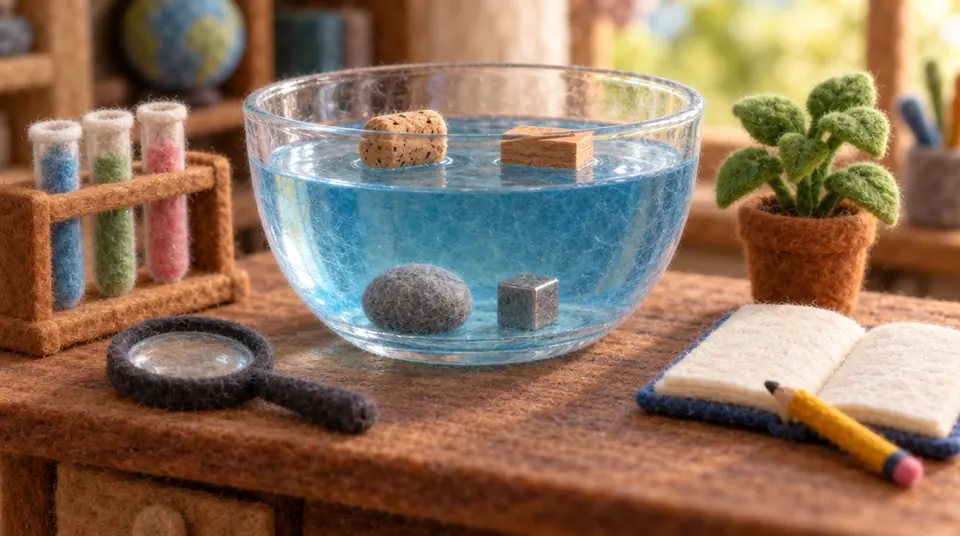 United States · 8–11 yearsThe experiment workshopConnected short activities, one shared discovery.
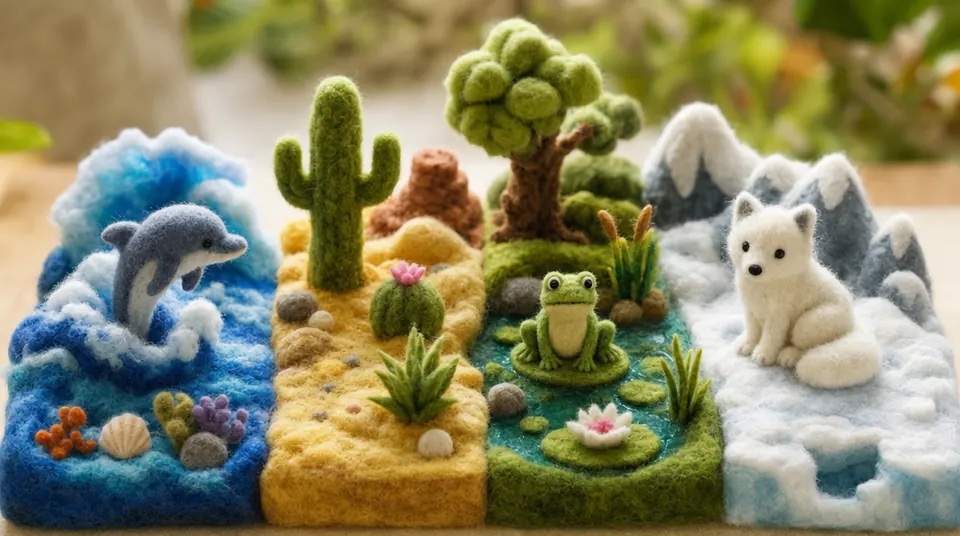 United States · 7–11 yearsHabitat explorersDiscover living things and the places they call home.
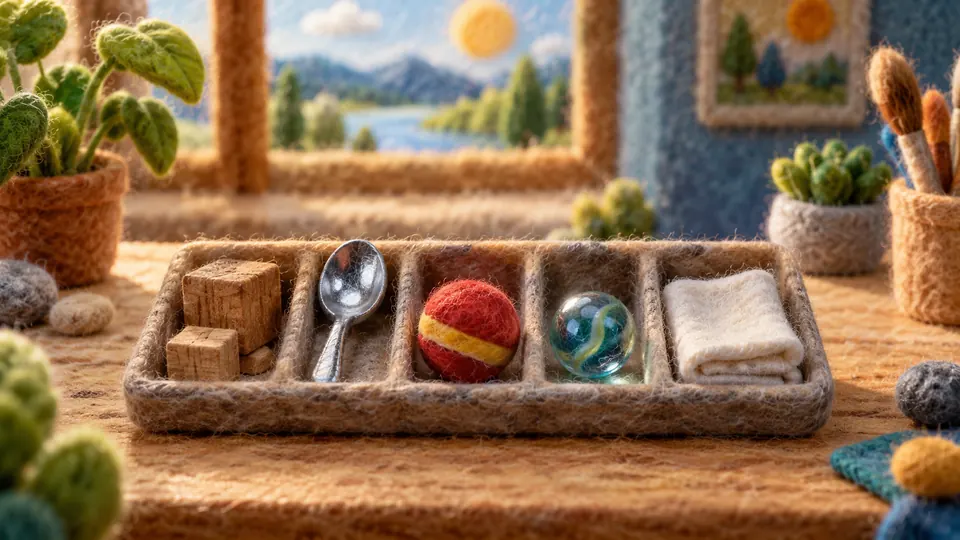 United States · 7–8 yearsSort by propertiesSort sample records, connect tests to properties, and explain your evidence.
 United States · 7–8 yearsChoose a suitable materialUse simple test evidence to choose materials for particular jobs.
 United States · 7–8 yearsParts can be rearrangedCompare builds, track pieces, and explain what changes when an object is rebuilt.
 United States · 7–8 yearsHeating and cooling changesSort adult observation records and explain when a material returns to its starting state.
 United States · 8–9 yearsExplain a plant resultConnect growing conditions to observed traits while checking comparisons and uncertainty.
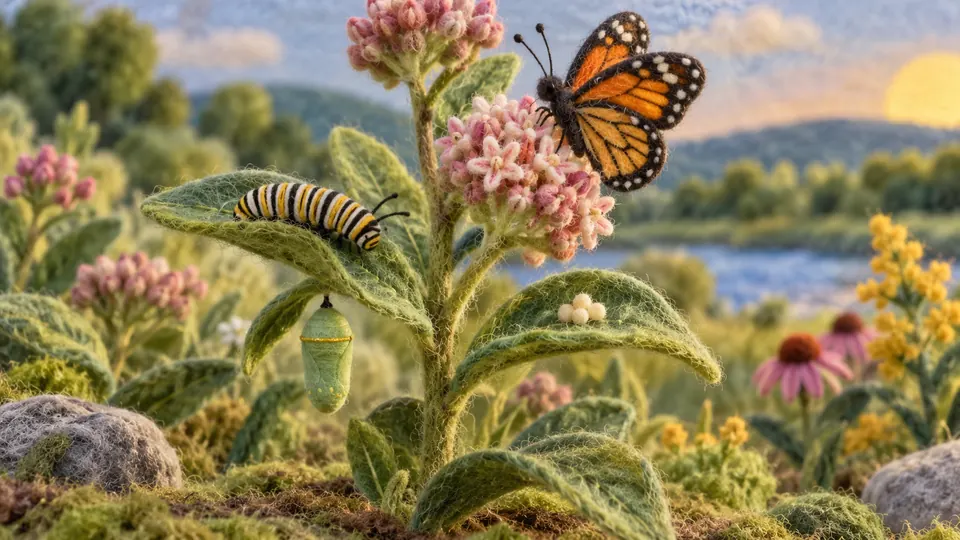 United States · 8–9 yearsCompare life cyclesIdentify, order and compare organism records without forcing every life into one template.
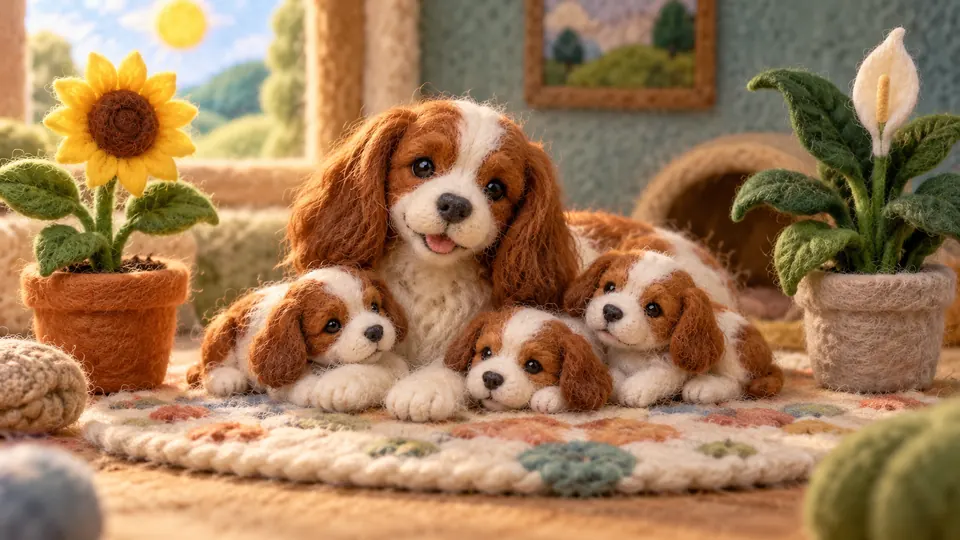 United States · 8–9 yearsInherited and environmental influencesCompare parent-offspring patterns, learning and growing conditions with honest limits.
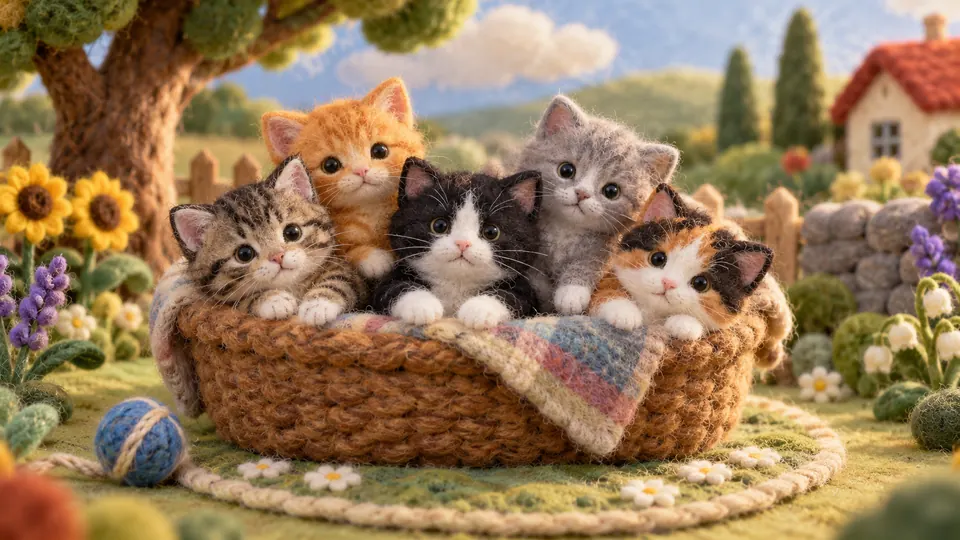 United States · 8–9 yearsTraits are not identicalRead small non-human datasets and describe resemblance, variation and uncertainty.
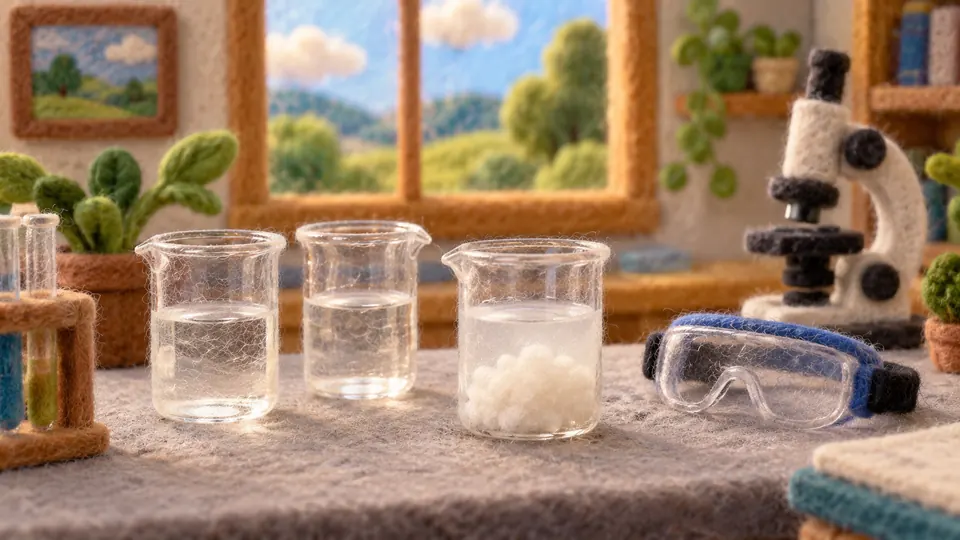 United States · 10–11 yearsMixing or a new substance?Distinguish retained materials, possible new substances and conclusions needing more evidence.
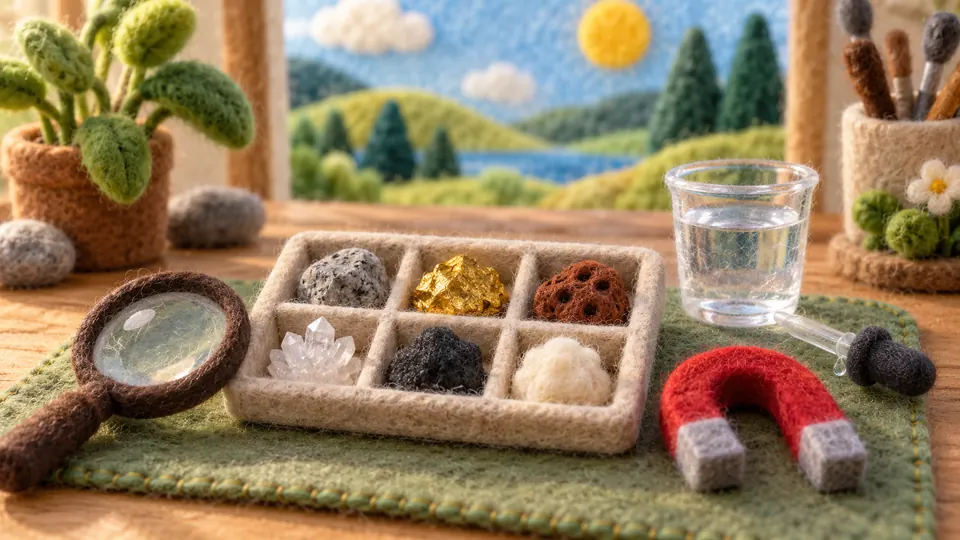 United States · 10–11 yearsIdentify from propertiesCombine test signatures, choose useful evidence and keep uncertain identifications open.
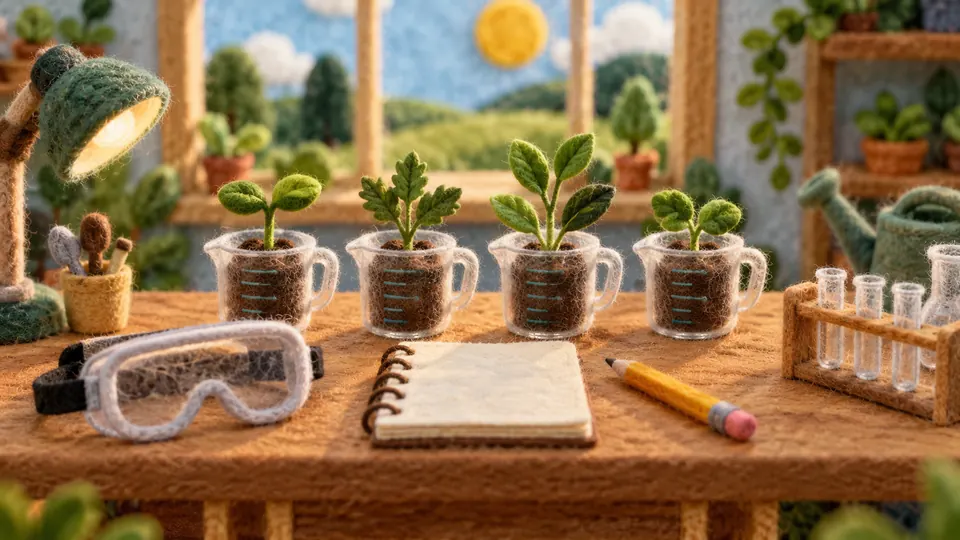 United States · 10–11 yearsPlan a safe comparisonChoose clear measurements, controlled comparisons and conclusions the evidence can support.
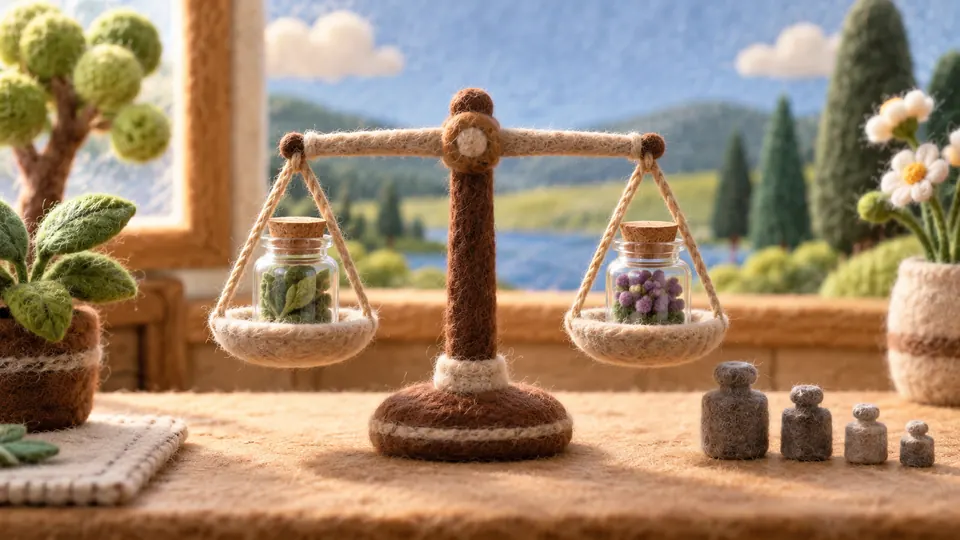 United States · 10–11 yearsWeight before and afterFollow every part of a measured system through mixing and changes of form.
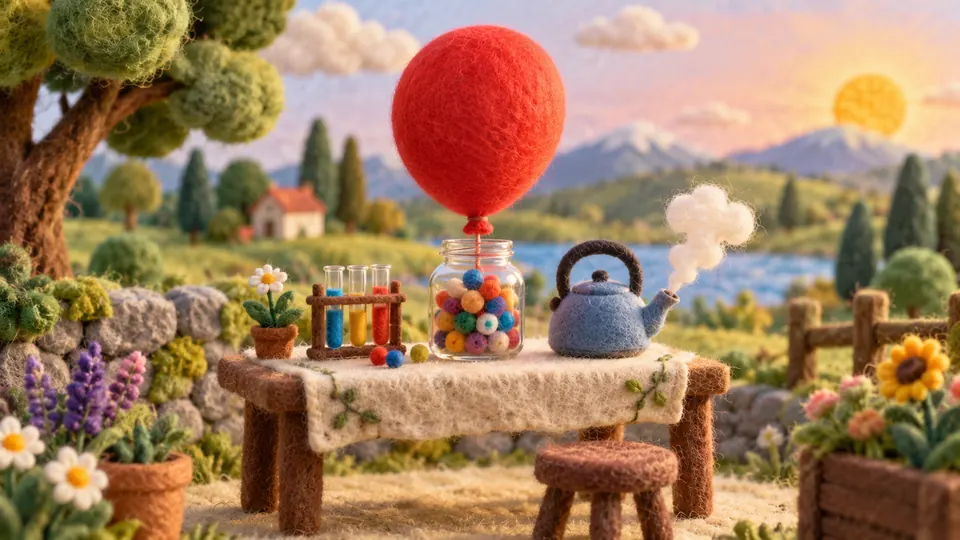 United States · 10–11 yearsParticles explain matterUse visible observations to test explanations about matter too small to see.