Counting on together
Build addition within 20 through counting on and combining groups. Make time to compare strategies.
- Combine quantities and explain an addition strategy.
Explore for Year 1: Counting on together, Sounds into words, Stories and information. See learning goals and a suggested sequence; start with any available activity.
Build addition within 20 through counting on and combining groups. Make time to compare strategies.
Sounds into words: Hear, blend, read → Common exception words → Word endings → Choose a decoding strategy.
Stories and information: Who, where and what? → Retell the story → Clues and predictions → Words and rhymes → Find a fact.
Counting and representing numbers: Count without missing → Ten and some more → Neighbours on the line → Counting patterns.
Adding and taking away: Parts make a whole → Crossing ten with pictures → What remains? → One-step stories → Explain the missing part.
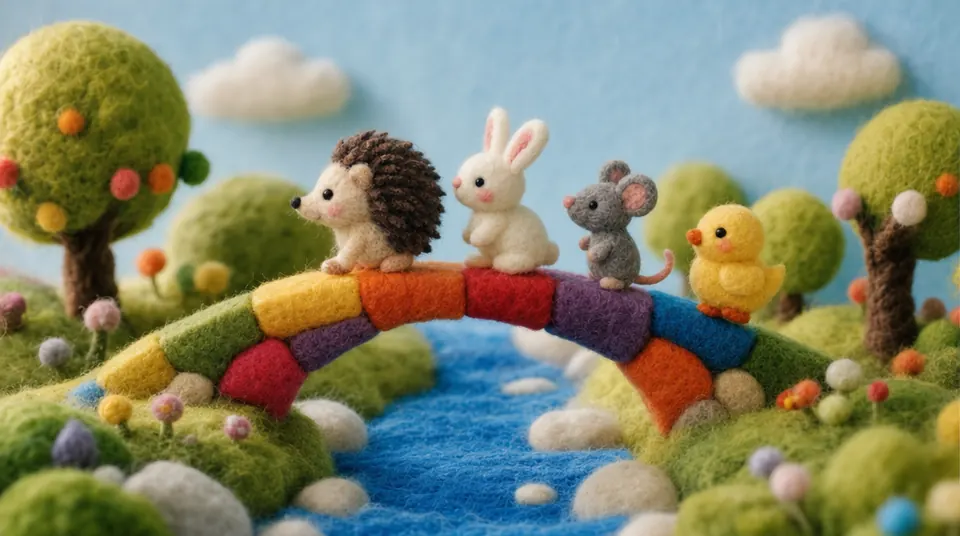 England · 5–7 yearsThe number bridgeJoin small groups and practise addition within 20.
 England · 5–6 yearsHear, blend, readListen to your teacher, match letters and blend short words.
 England · 5–6 yearsCommon exception wordsRead familiar words carefully in short, teacher-read sentences.
 England · 5–6 yearsWord endingsRead the whole word: small endings can change its meaning.
 England · 5–6 yearsChoose a decoding strategySpot skipped sounds, check whole words and explain how you read.
 England · 5–6 yearsWho, where and what?Listen as your teacher reads each story. Find the detail that answers the question.
 England · 5–6 yearsRetell the storyYour teacher reads the story. Put its event cards in order and tell it again.
 England · 5–6 yearsClues and predictionsListen to your teacher. Use what the story says to explain a feeling or predict a next step.
 England · 5–6 yearsWords and rhymesYour teacher reads original little poems. Listen for rhyme, repeated language and word meanings.
 England · 5–6 yearsFind a factListen to short notices, labels and information texts. Use the heading to find the fact you need.
 England · 5–6 yearsParts make a wholeFind partners that make ten or twenty, and explain what equal means.
 England · 5–6 yearsCrossing ten with picturesUse parts of a group to reach ten, then include the rest.
 England · 5–6 yearsWhat remains?Use objects, matching and number lines to explain subtraction.
 England · 5–6 yearsOne-step storiesChoose the calculation that matches joining, changing and comparing.
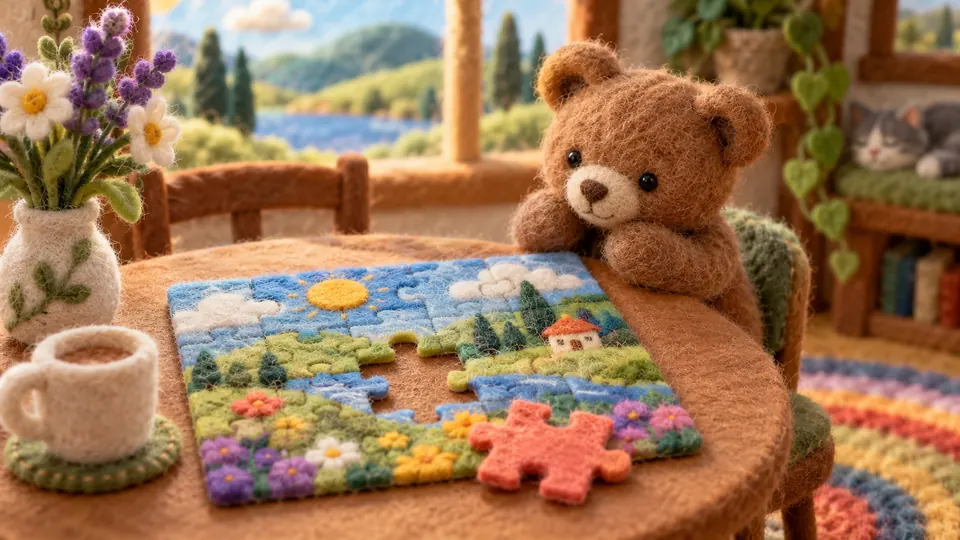 England · 5–6 yearsExplain the missing partSolve a missing number and explain why a counting mistake fails.
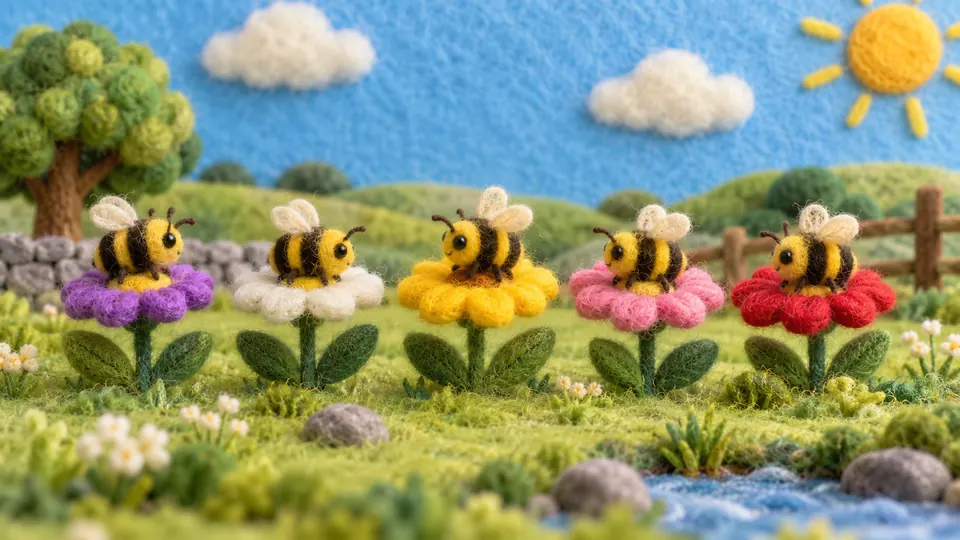 England · 5–6 yearsCount without missingCount each object once and connect the amount to a numeral or number word.
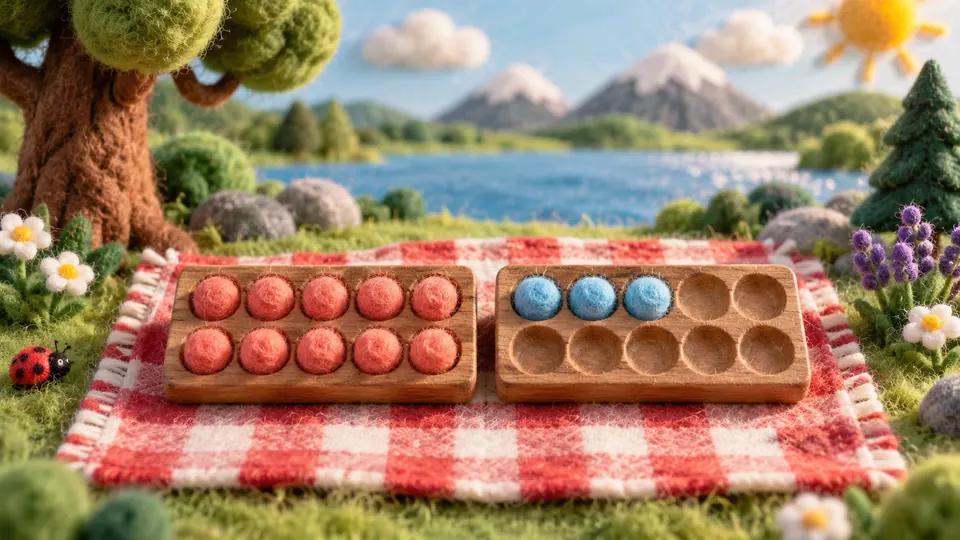 England · 5–6 yearsTen and some moreUse teacher-drawn ten-frames to build and read teen numbers.
 England · 5–6 yearsNeighbours on the lineOrder number cards and reason about one more and one less.
 England · 5–6 yearsCounting patternsContinue, repair and explain counts in twos, fives and tens.