Exploring living things and habitats
Explore the needs and features of living things and how habitats provide resources. Review the broad bank for your year group.
- Connect features, needs and habitats using evidence.
Explore science: Exploring living things and habitats, Habitats and food links, Light and shadows. See learning goals and a suggested sequence; start with any available activity.
Explore the needs and features of living things and how habitats provide resources. Review the broad bank for your year group.
Habitats and food links: Living, dead or never alive → Homes for living things → Food chains → Protect a microhabitat.
Light and shadows: Seeing needs light → Reflection and safety → Shadows appear → Changing a shadow.
Simple electric circuits: A complete loop → Switches control flow → Conductors and insulators → Find the fault safely.
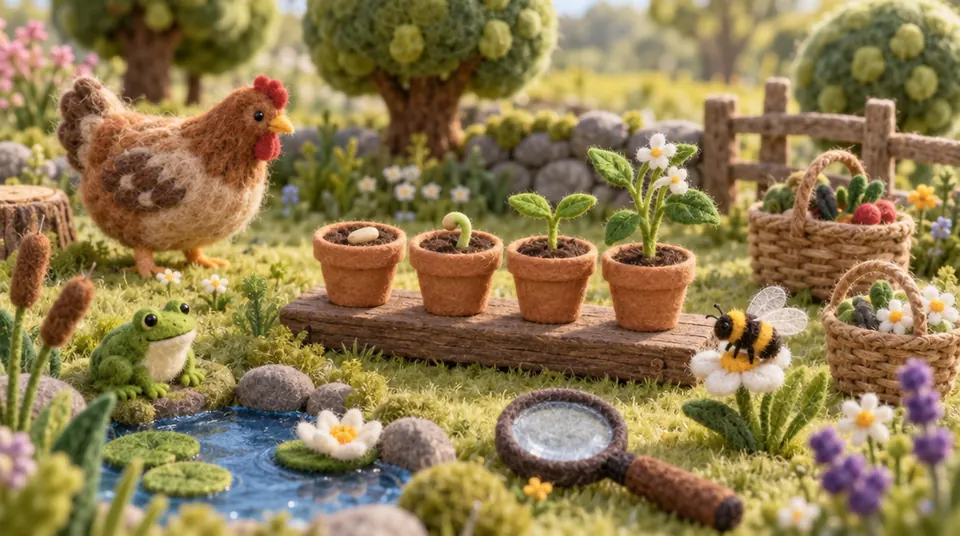 England · 7–9 yearsThe discovery gardenConnected short activities, one shared discovery.
 England · 8–11 yearsThe experiment workshopConnected short activities, one shared discovery.
 England · 7–11 yearsHabitat explorersDiscover living things and the places they call home.
 England · 6–7 yearsLiving, dead or never aliveSort real-life evidence, find pictured examples and explain tricky cases.
 England · 6–7 yearsHomes for living thingsConnect pictured living things to places and resources that meet the stated need.
 England · 6–7 yearsFood chainsBuild pictured food links, find plant foods and explain how food energy passes.
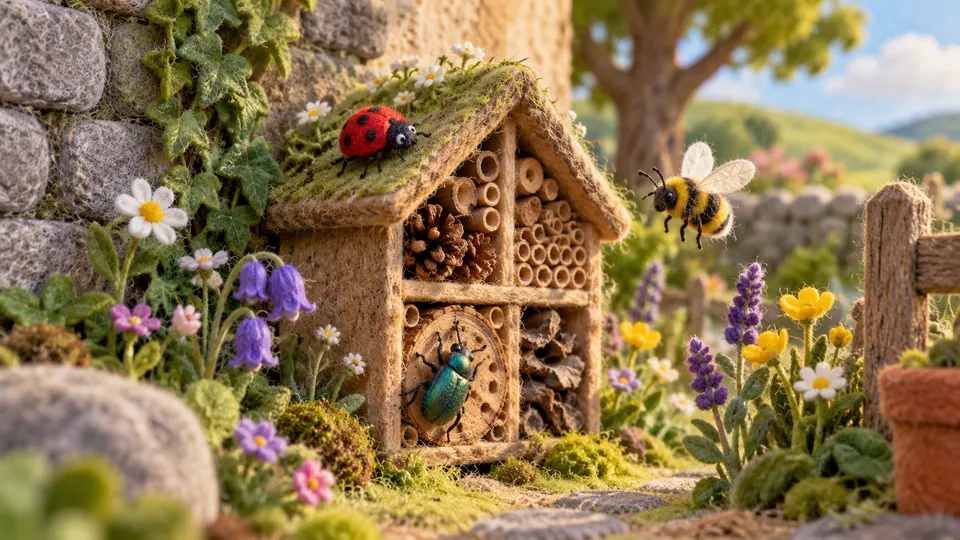 England · 6–7 yearsProtect a microhabitatUse pictured resource records to predict effects of a small habitat change.
 England · 7–8 yearsSeeing needs lightSort light evidence, distinguish sources from reflectors and explain darkness.
 England · 7–8 yearsReflection and safetyExplain reflected light and choose safe ways to investigate it.
 England · 7–8 yearsShadows appearUse material-test evidence to explain where light is blocked.
 England · 7–8 yearsChanging a shadowExplore a torch model, arrange evidence and decide what makes a fair test.
 England · 8–9 yearsA complete loopTrace the connections, test a loop and explain when a component can work.
 England · 8–9 yearsSwitches control flowTest switch outcomes, locate gaps and reason about changes.
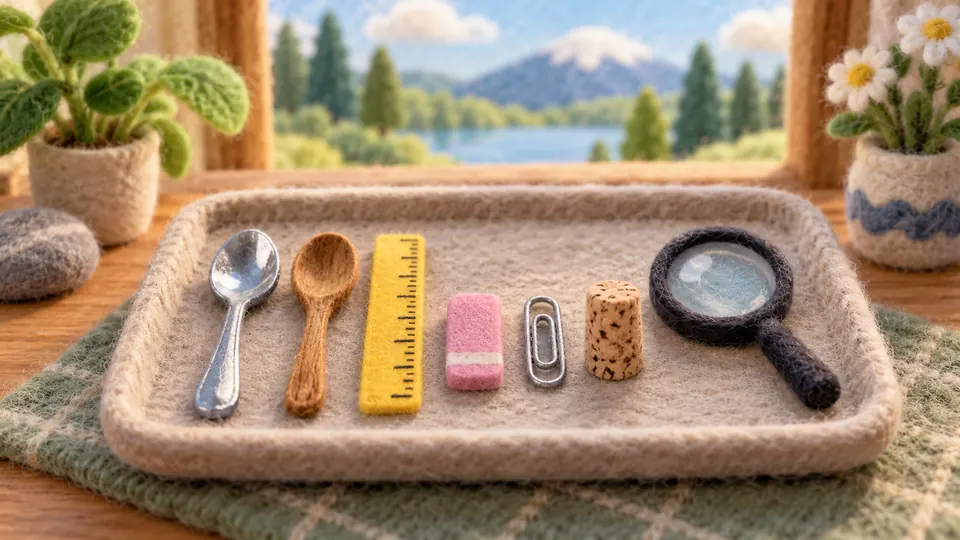 England · 8–9 yearsConductors and insulatorsClassify controlled test records and distinguish evidence from appearance.
 England · 8–9 yearsFind the fault safelyChoose one informative next test and keep uncertain causes open.