Compare builds, track pieces, and explain what changes when an object is rebuilt.
What it is about
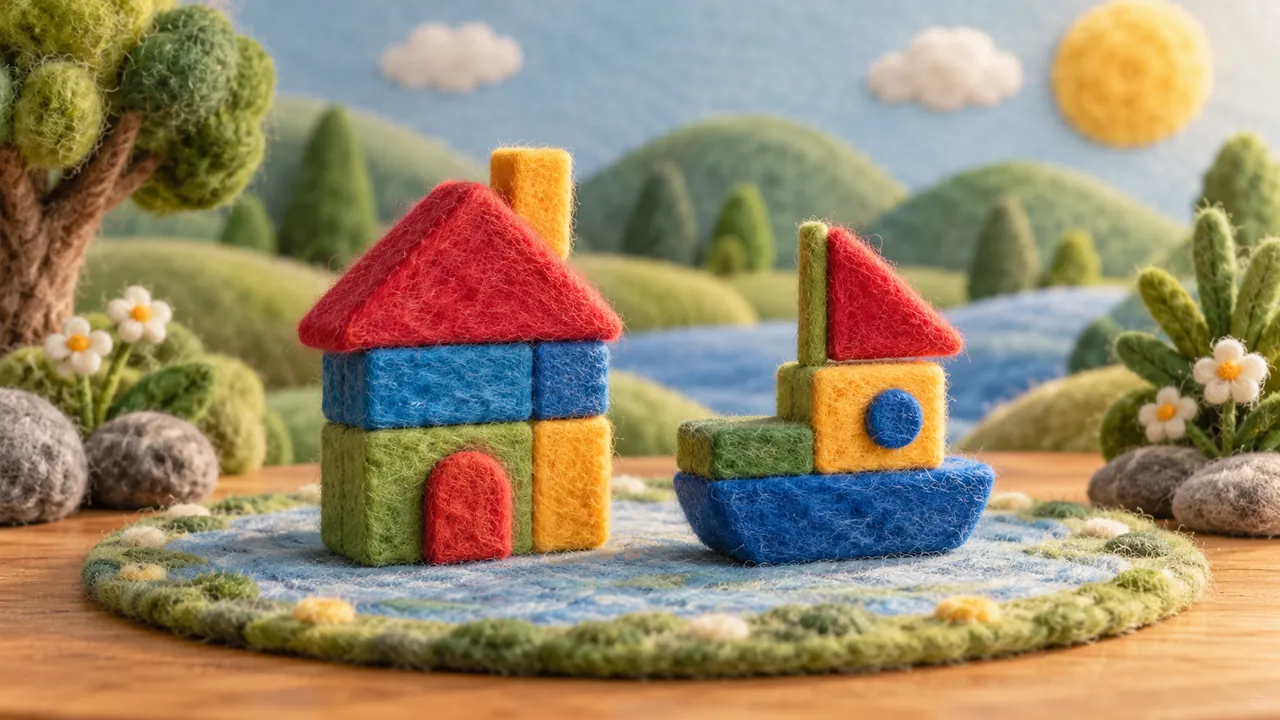
Recognize different objects made from the same set of pieces.
Grade 2 · 7–8 years · 30 challenges
Before you begin
Grade1 structure/function, observations and evidence-based design.
What the class will do
Choose and explain · 30 challenges
Parts can be rearranged
Recognize different objects made from the same set of pieces.
Using it in class
Everyone predicts, checks the supplied inventories and explains before a rotating representative chooses. Optional safe block rebuilding can extend play, but is not required. Records supply all evidence. Allow 20–35 minutes for all 30, or play a short round.
Give everyone time to think and discuss before one pupil acts at the board. The class explains and confirms together; hints and explanations stay until you move on.
Use an up-to-date browser on a computer connected to a whiteboard or shared display. Touch, mouse and keyboard; optional audio and reduced motion. No pupil accounts or personal devices.
Choose from 5 challenges up to the full activity. Discussion determines the duration: you set the pace.
A look inside the activities
Choose and explain
Four same-size blocks make a tall tower. All four are moved into a low wall. What stayed the same?
The set of four blocks
The tall tower shape
The position of every block
Explanation and discussion
The same four blocks are reused. Their positions and the overall shape change, but no block is added or removed. A set of pieces can make different objects.
Show with your hands how the same blocks could be tall or wide.
Choose and explain
Two model records both list two triangles and one square, but show different outlines. What do the inventories support?
Different outlines can use the same kinds and numbers of pieces
The outlines must look identical
Every possible object can be made from these pieces
Explanation and discussion
The two records share a piece inventory while their outlines differ. This supports more than one arrangement, but does not prove that these pieces can make every object.
What would you need to check to track the exact physical pieces as well?
Choose and explain
A complete record shows all six marked pieces whole before and after a different build. What best explains the change?
The same pieces were rearranged into another object
New material appeared to make the new shape
The pieces vanished and were replaced without evidence
Explanation and discussion
Every marked piece is accounted for and stays whole. The record supports rearrangement of the same set, without needing new material or a claim of disappearance.
Explain how both the object and the piece set can be described accurately.

 Sort by properties
 Heating and cooling changes
 Choose a suitable material