Distinguish retained materials, possible new substances and conclusions needing more evidence.
What it is about
Use supplied evidence to distinguish possible chemical change from mixing; evidence has limits.
Grade 5 · 10–11 years · 30 challenges
Before you begin
Grade4 energy transfer, structures, waves and Earth processes.
What the class will do
Sort into groups · 6 challenges
Check the claim against the record
Sort supported claims separately from conclusions the supplied mixing or state-change record does not establish.
Choose and explain · 24 challenges
Explain and test the conclusion
Compare original materials, controls and observed properties. Distinguish a clue for change from evidence identifying a new substance.
Using it in class
Everyone cites a test result and proposes a reason before the rotating representative acts. These are supplied illustrative records, not experiment instructions. No tasting or direct smelling of unknowns. Use limitations in discussion. Full bank: 30–45 minutes.
Give everyone time to think and discuss before one pupil acts at the board. The class explains and confirms together; hints and explanations stay until you move on.
Use an up-to-date browser on a computer connected to a whiteboard or shared display. Touch, mouse and keyboard; optional audio and reduced motion. No pupil accounts or personal devices.
Choose from 5 challenges up to the full activity. Discussion determines the duration: you set the pace.
A look inside the activities
Sort into groups
Record: red and blue beads are mixed, then sorted back unchanged. Judge these claims about the supplied case.
Mixing always makes a new substance
Separating the unchanged beads supports simple mixing here
The original bead types remain present
Groups: Supported by this record · Not established by this record
Explanation and discussion
The beads can be recovered unchanged. That supports simple mixing in this case, not the claim that every mixture must form a new substance.
Which observations would be needed for a different mixture?
Choose and explain
Sand and large beads are mixed; each is recovered with its original recorded properties. What does this support?
Every mixing event must have created new substances
A mixture of retained materials in this case
The materials stopped existing while mixed
Explanation and discussion
Recovering the original materials with unchanged recorded properties supports simple mixing here. Being combined does not automatically imply a chemical change.
What would you record about both materials before mixing?

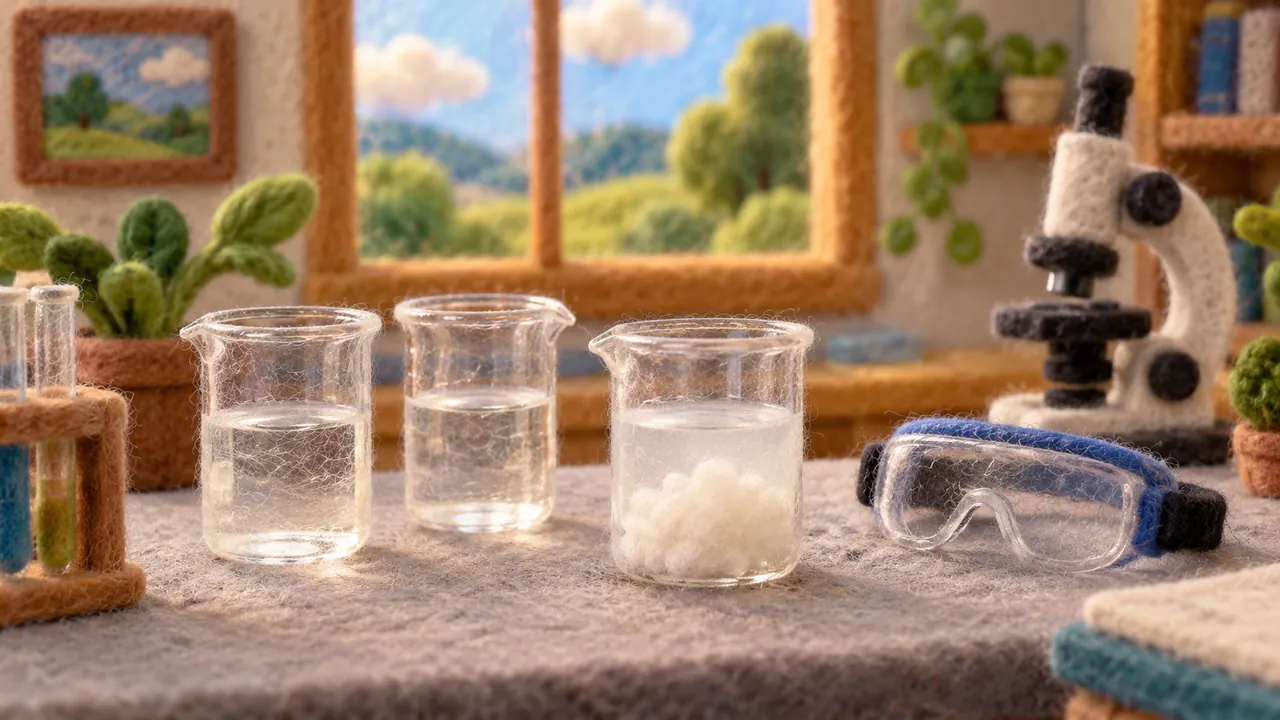
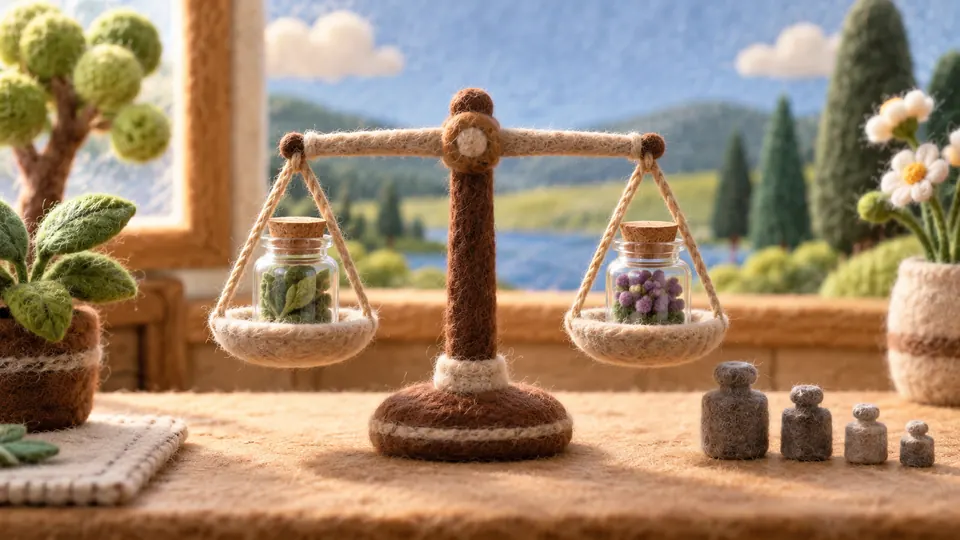 Weight before and after
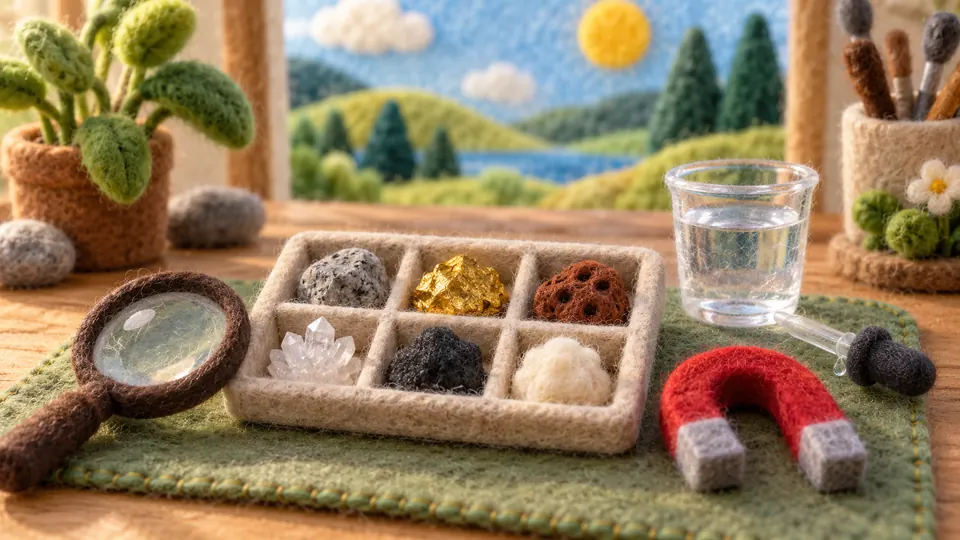 Identify from properties
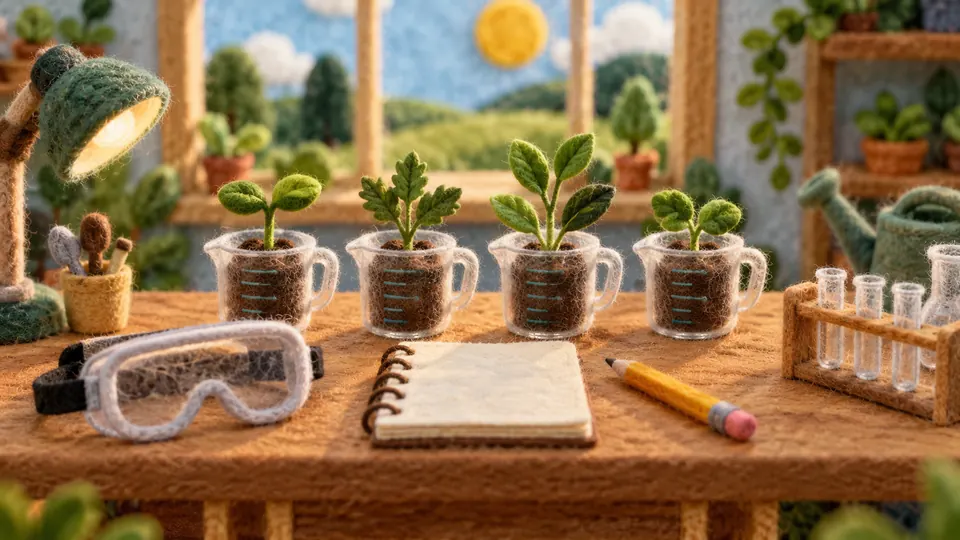 Plan a safe comparison