Identify, order and compare organism records without forcing every life into one template.
What it is about
Model birth/growth/reproduction/death across varied plants/animals without a single rigid sequence for all.
Grade 3 · 8–9 years · 30 challenges
Before you begin
K–2 observations of materials, habitats, life structures and Earth changes.
What the class will do
Match pairs · 6 challenges
Identify stages and processes
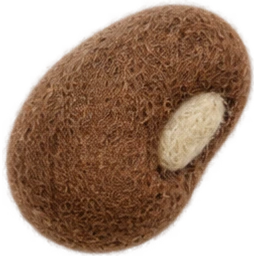
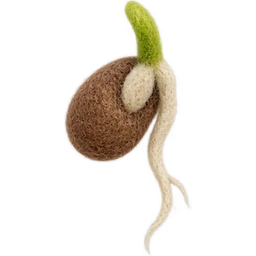
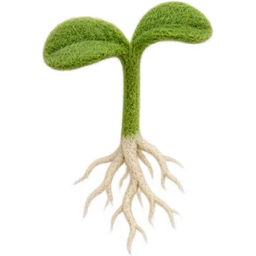
Use the bean pictures or the supplied organism records. Make visible pairs; each partner is used once.
Build a sequence · 8 challenges
Model the observed order
Order this challenge’s own record. Follow the named organism and starting point; do not add unobserved events.
Choose and explain · 16 challenges
Compare cycles and limits
Discuss the supplied evidence, then choose a careful comparison. A stage model is not a guarantee for every individual.
Using it in class
Everyone predicts and discusses before a rotating representative acts. Bean art shows only bean stages; other organisms use short supplied records. No living organisms need handling. Allow 30–45 minutes for all 30, or choose a standalone block/short round.
Give everyone time to think and discuss before one pupil acts at the board. The class explains and confirms together; hints and explanations stay until you move on.
Use an up-to-date browser on a computer connected to a whiteboard or shared display. Touch, mouse and keyboard; optional audio and reduced motion. No pupil accounts or personal devices.
Choose from 5 challenges up to the full activity. Discussion determines the duration: you set the pace.
A look inside the activities
Match pairs
Match the bean pictures to the stages they actually show.
Bean seed
Sprouting bean
Young bean plant
Mature bean plant
Match with:
Young stem with two leaves
Seed before sprouting
Plant with flowers and pods
First root and shoot
Explanation and discussion
The pictures show a dry bean seed, first root/shoot, a two-leaf seedling and a mature flowering/pod-bearing plant. They model stages of this flowering plant.
Which visible detail distinguishes a seedling from the mature plant?
Build a sequence
Build this bean development record, beginning with the dry seed.
First root and shoot appear
Mature plant has flowers and pods
Dry bean seed
Young plant has two leaves
Explanation and discussion
This bean record moves from seed to sprout to seedling to mature plant. The pictures represent the same bean type, not four unrelated plant species.
What information about timing is absent from this stage model?
Choose and explain
Bean: seed → young plant → seed-making adult. Chicken: egg → chick → adult producing offspring. Which pattern is shared?
Both records begin with a bean seed
Young organisms develop and can produce a new generation
Both young organisms already have the adult body
Explanation and discussion
Both records include development and reproduction, but seed/plant stages differ from egg/chick stages. Shared processes do not mean identical bodies or stages.
Which difference should remain visible in two honest models?

 Bean seed
 Sprouting bean
 Young bean plant
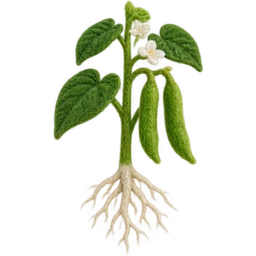 Mature bean plant
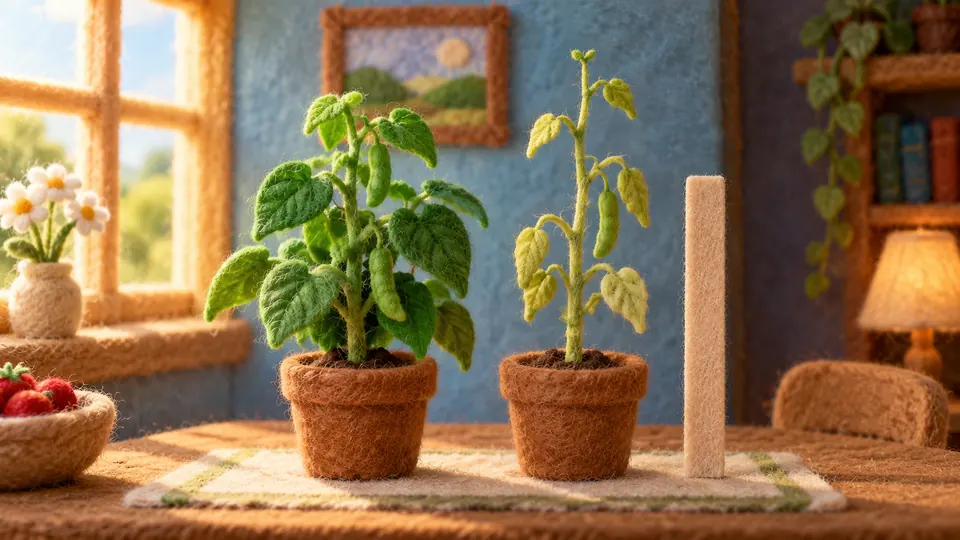 Explain a plant result
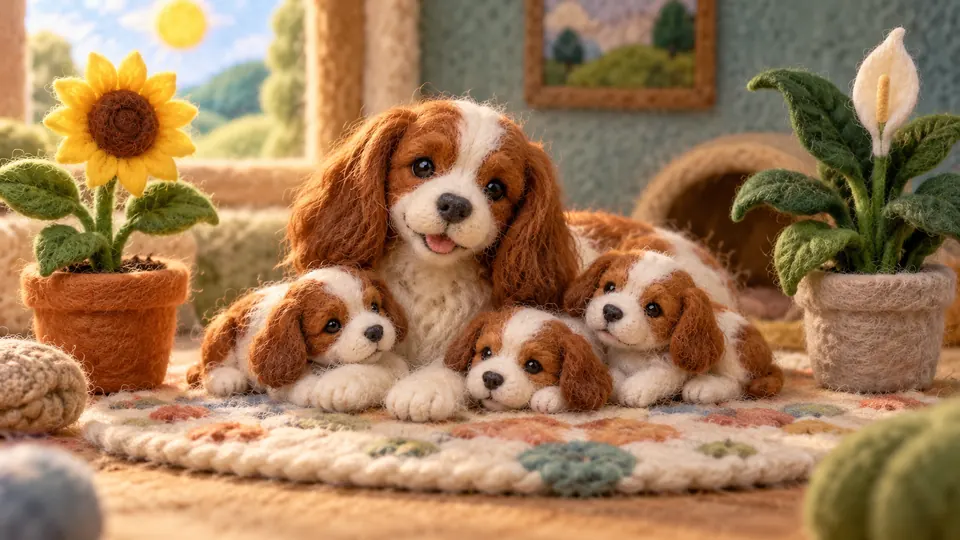 Inherited and environmental influences
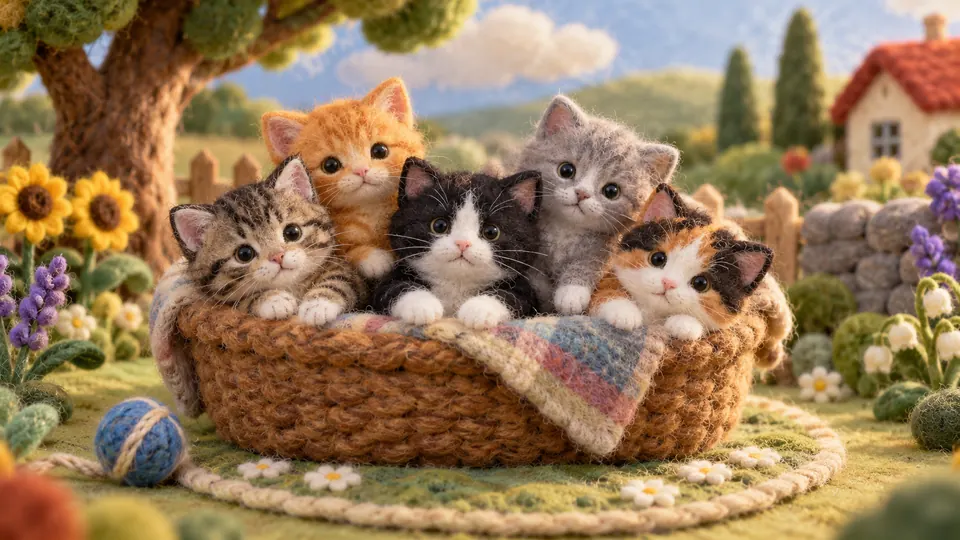 Traits are not identical