Use pictured resource records to predict effects of a small habitat change.
What it is about
Use observation to explain effects of a local habitat change.
Year 2 · 6–7 years · 30 challenges
Before you begin
- Year 1 organisms, plant parts, body senses and material descriptions.
What the class will do
- Explore a scene · 10 challenges
Find the changed resources
Use each before/after record. Pictures identify resources; labels describe what changed.
- Sort into groups · 10 challenges
Sort the evidence
Match each recorded change or plan to the stated need. Keep missing observations separate.
- Choose and explain · 10 challenges
Explain and protect
Discuss a supported effect and a low-disturbance next step. Do not invent later animal outcomes.
Using it in class
These are supplied before/after records, not images measuring a real site. Pictures identify the named resources. Everyone predicts before a representative acts. Observe real wildlife only with an adult and disturb it as little as possible. Full bank 30–45 minutes; choose short rounds.
Give everyone time to think and discuss before one pupil acts at the board. The class explains and confirms together; hints and explanations stay until you move on.
Use an up-to-date browser on a computer connected to a whiteboard or shared display. Touch, mouse and keyboard; optional audio and reduced motion. No pupil accounts or personal devices.
Choose from 5 challenges up to the full activity. Discussion determines the duration: you set the pace.
A look inside the activities
Explore a sceneThe record says flowers were cut away. A bee used their nectar. Find the resource whose FOOD was lost.
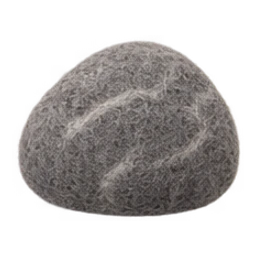 Rock record: unchanged
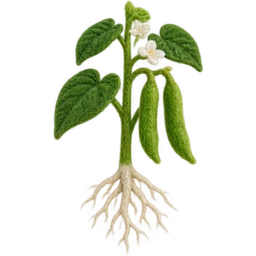 Flower record: nectar removed
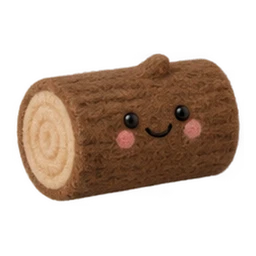 Log record: cover remains
 Pond record: water remains
Explanation and discussion
The flowers’ nectar resource was removed. The other records say their resources remain. Picture cards identify a record; they are not a photograph of the changed site.
What other observation could show how the bee responds?
A frog needs damp cover. Sort the recorded offers by whether they meet BOTH parts.
- Log gap: covered but dry
- Rock gap: damp and covered
 Open wet place: no cover
Groups: Meets this need · Misses part of this need
Explanation and discussion
Only the recorded rock gap meets both conditions. The dry log and uncovered wet offer each miss one part. A preferred picture cannot replace the condition record.
How could this guide the next adult observation?
One short visit finds fewer bees after flowers were cut. What is a careful conclusion?
- All bees have permanently left every garden
- Fewer bees were seen in that visit; more evidence is needed about later visits
- Every remaining flower has no nectar
Explanation and discussion
The observation describes one visit. The removed flowers may affect food, but the record does not establish permanent absence or every remaining flower’s condition.
How could another observation make the explanation stronger?

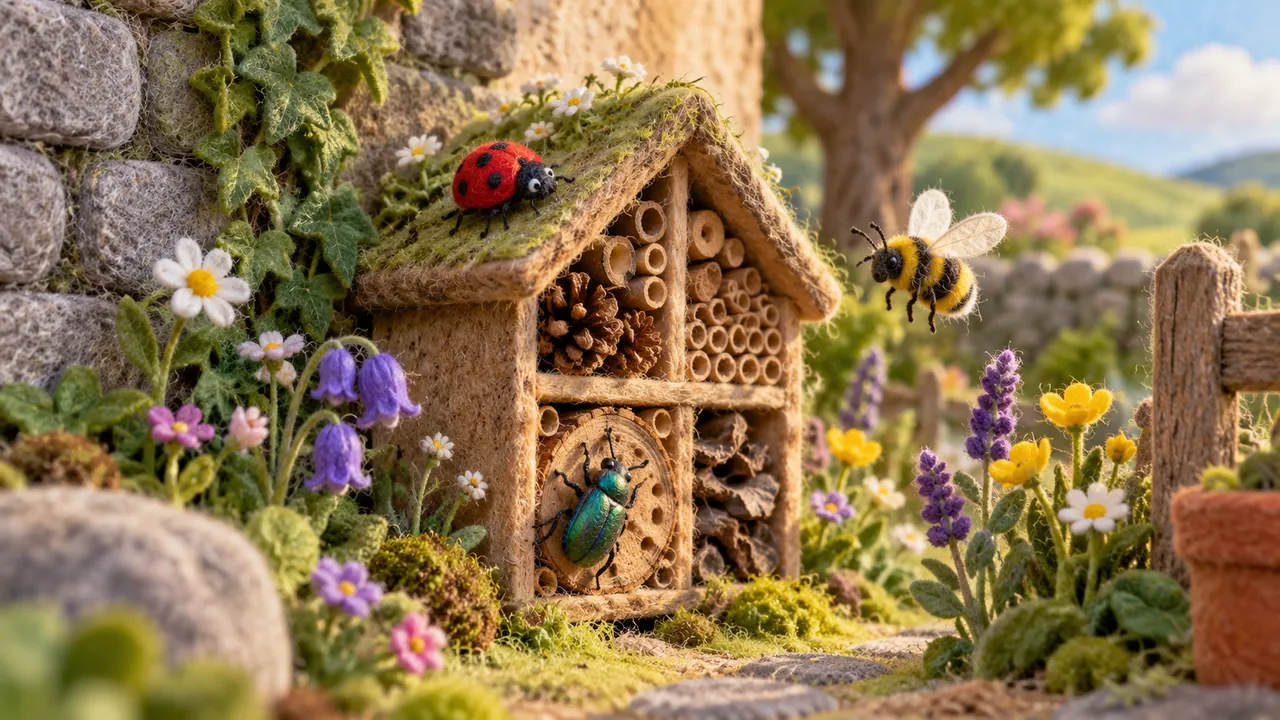
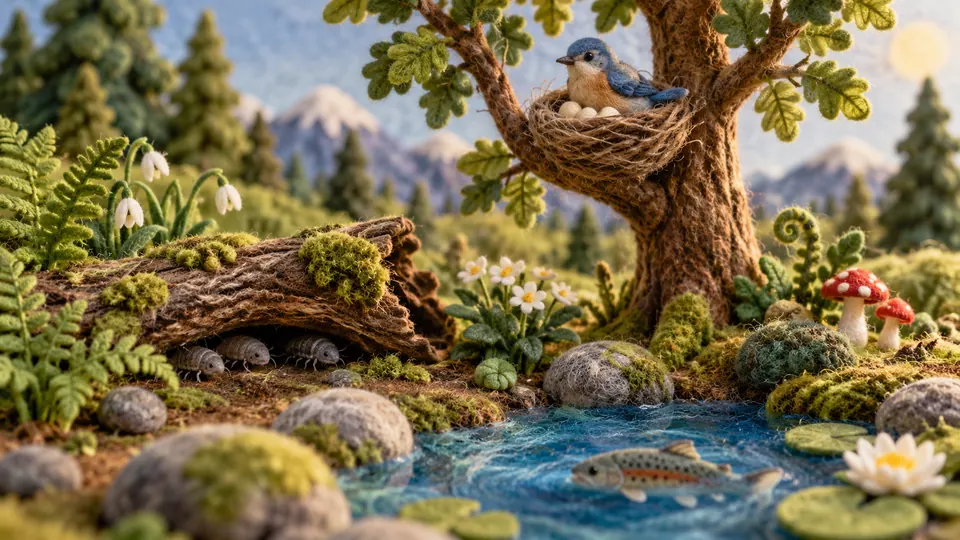 Homes for living things
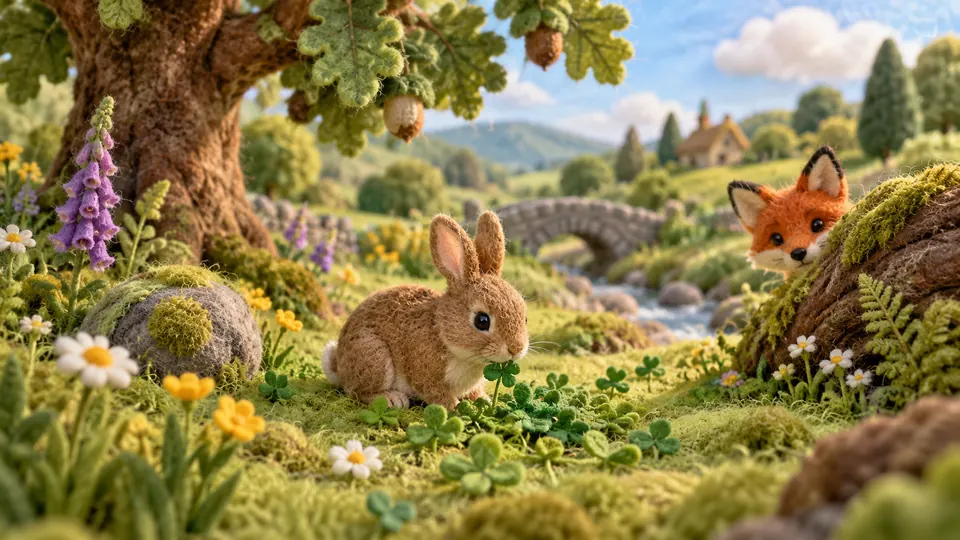 Food chains
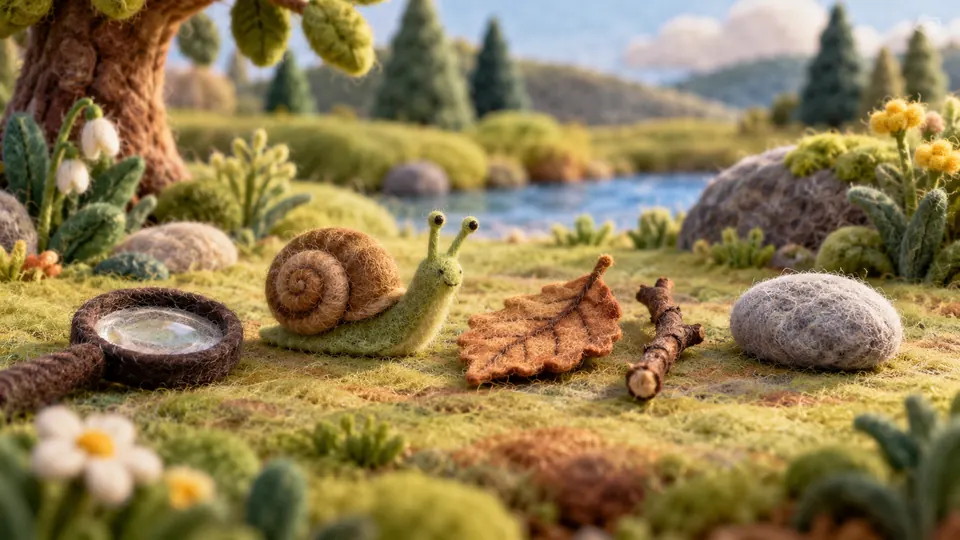 Living, dead or never alive