Sort real-life evidence, find pictured examples and explain tricky cases.
What it is about
Classify examples using life-process evidence, handling wooden objects carefully.
Year 2 · 6–7 years · 30 challenges
Before you begin
- Year 1 organisms, plant parts, body senses and material descriptions.
What the class will do
- Sort into groups · 10 challenges
Sort the life evidence
Use each real thing’s record. Wood or paper may come from a tree without the whole made object ever being alive.
- Explore a scene · 10 challenges
Find the pictured examples
Select only the labelled objects that fit this question’s rule. Background scenery does not count.
- Choose and explain · 10 challenges
Explain your evidence
Think together, then choose the explanation. Use life processes and the stated history.
Using it in class
Pictures represent real things; faces are decoration. Everyone predicts before a rotating representative acts. Use card evidence and optional narration. A wooden object was never a living organism: its wood came from a tree. Full bank 30–45 minutes; short rounds welcome.
Give everyone time to think and discuss before one pupil acts at the board. The class explains and confirms together; hints and explanations stay until you move on.
Use an up-to-date browser on a computer connected to a whiteboard or shared display. Touch, mouse and keyboard; optional audio and reduced motion. No pupil accounts or personal devices.
Choose from 5 challenges up to the full activity. Discussion determines the duration: you set the pace.
A look inside the activities
Sort into groupsSort the real things represented. Use growing and feeding as evidence of life.
 Bee: feeds and grows
 Tree: grows new leaves
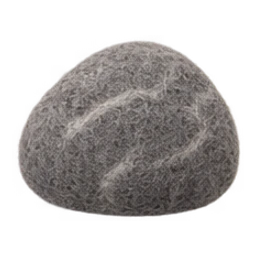 Rock: mineral, never grew
Groups: Living now · Never alive
Explanation and discussion
The bee feeds and the tree grows, so both are living. The mineral rock has never been alive. Picture faces are decoration, not life-process evidence.
What could we observe on a real plant over several days?
Find the living things in these labelled pictures.
 Ball: toyTree: growingBee: feedingRock: mineral
Explanation and discussion
The tree grows and the bee feeds, so both are living examples. The mineral rock and rubber ball have never been alive.
Can you name a different life process to look for?
A stone rolls downhill. Does moving prove it is alive?
- Yes; anything moving must be alive
- Yes; rolling is the same as growing
- No; movement alone is not life evidence
Explanation and discussion
A slope can move a stone. Living things carry out life processes; movement alone does not prove life.
What life evidence could we look for in a plant?

 Homes for living things
 Food chains
 Protect a microhabitat