Connect pictured living things to places and resources that meet the stated need.
What it is about
Match organisms to local habitats/microhabitats and basic needs.
Year 2 · 6–7 years · 30 challenges
Before you begin
- Year 1 organisms, plant parts, body senses and material descriptions.
What the class will do
- Match pairs · 10 challenges
Connect needs and places
Match each stated need among these offers. The pairs are selected examples, not exclusive homes.
- Explore a scene · 10 challenges
Find useful resources
Select every labelled resource meeting the question’s rule. Several places can meet one need.
- Choose and explain · 10 challenges
Explain a useful place
Discuss the evidence and choose a careful explanation about needs and habitats.
Using it in class
All pairs are visible. Match each card’s stated need among the offered choices; real organisms may use many habitats. Everyone predicts before a rotating representative pairs. Labels supply evidence; scenery does not. Full bank 30–45 minutes; choose 5 for a short round.
Give everyone time to think and discuss before one pupil acts at the board. The class explains and confirms together; hints and explanations stay until you move on.
Use an up-to-date browser on a computer connected to a whiteboard or shared display. Touch, mouse and keyboard; optional audio and reduced motion. No pupil accounts or personal devices.
Choose from 5 challenges up to the full activity. Discussion determines the duration: you set the pace.
A look inside the activities
Match pairsMatch the stated food or water need to the offered resource.
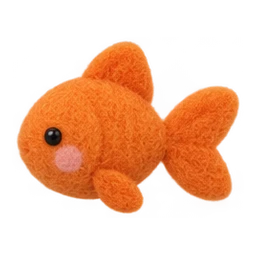 Fish: needs water to live in
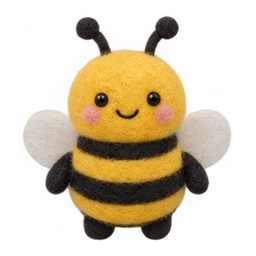 Bee: needs nectar for food
Match with:
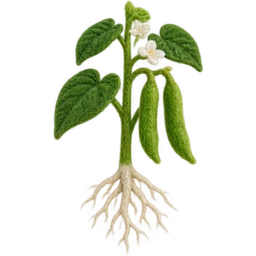 Flower nectar
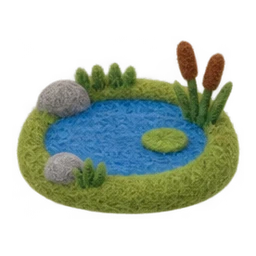 Pond water
Explanation and discussion
Water provides the fish’s living place. Nectar in flowers provides food for the bee. These are offered resources, not a claim that each organism has only one habitat.
Could an animal need both food and water?
A bee needs the recorded flower FOOD. Find the resource with nectar.
Pond waterFlower: has nectar Log: no nectar
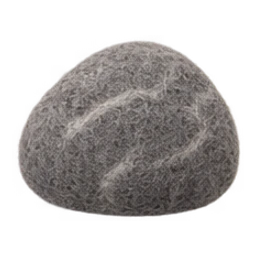 Rock: no nectar
 Explanation and discussion
The flower provides the recorded nectar food. Water and resting places can be useful too, but they do not meet this particular food rule.
Why is one food resource not a complete habitat?
A frog uses pond water and a damp log shelter. What does this show?
- Every animal must have only one useful place
- One animal can use different places for different needs
- The frog needs only water and never cover
Explanation and discussion
Different parts of a habitat can meet different needs. The frog need not remain in one small place for every activity.
What other resource might a frog look for?

 Food chains
 Protect a microhabitat
 Living, dead or never alive