Find the animals in the clearing.
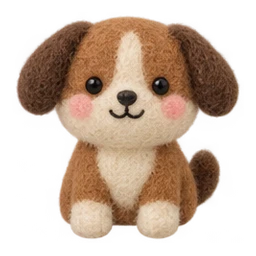 Dog
Dog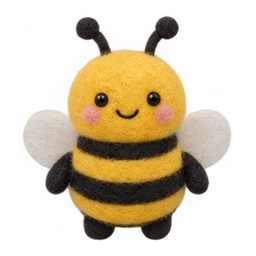 Bee
Bee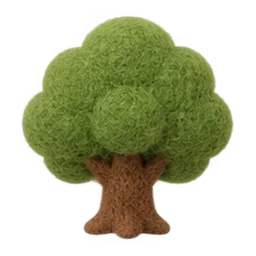 Tree
Tree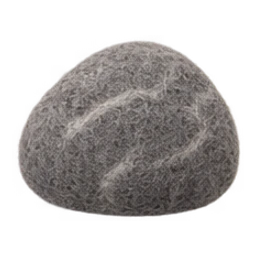 Rock
Rock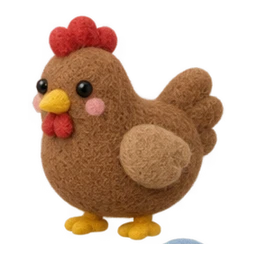 Hen
Hen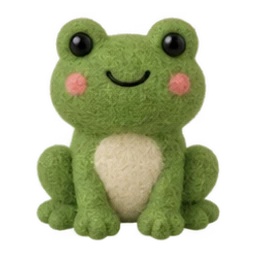 Frog
FrogExplanation and discussion
The dog, bee, hen and frog are animals. The tree is a plant; the rock is not living.
Think first. Then compare your idea with a partner.
 KablamMy collection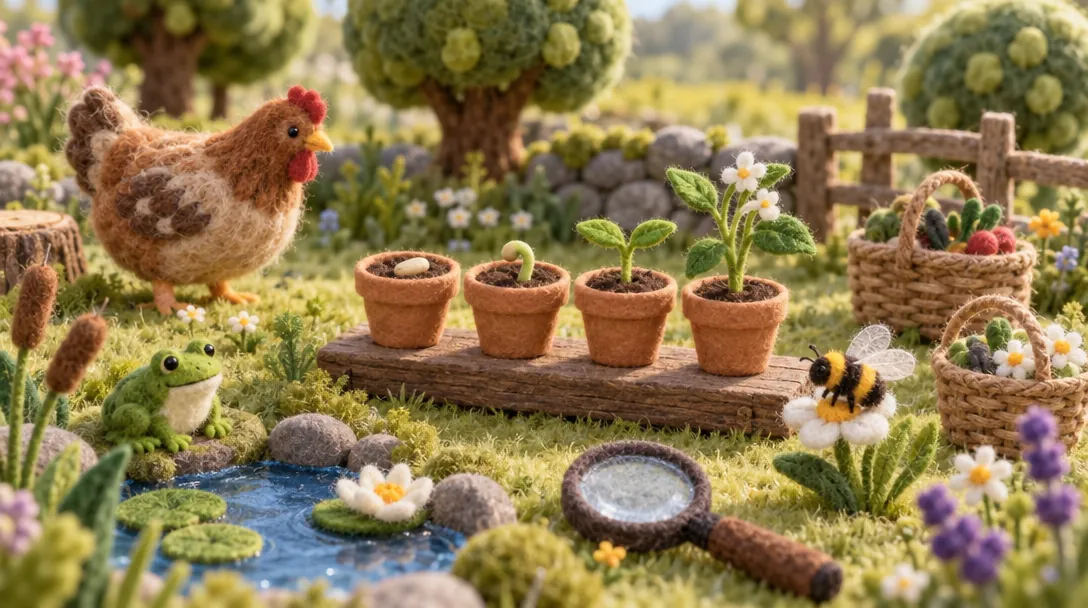
Connected short activities, one shared discovery.
Observe and classify living things, identify features and sequence plant growth.
Grade 2–Grade 3 · 7–9 years · 30 challenges
Look, find and tap. You can change your mind.
Each group has a rule. Explain where you put each object.
Find the pairs. In the last challenge, uncover the hidden cards.
Build a process and explain what changes.
Use what you know to explain new examples.
Invite everyone to predict and explain before each board turn. Each activity stands alone. Adapt the pauses; simulations support real observations and do not replace them.
Give everyone time to think and discuss before one pupil acts at the board. The class explains and confirms together; hints and explanations stay until you move on.
Use an up-to-date browser on a computer connected to a whiteboard or shared display. Touch, mouse and keyboard; optional audio and reduced motion. No pupil accounts or personal devices.
Choose from 5 challenges up to the full activity. Discussion determines the duration: you set the pace.
DogBeeTreeRockHenFrogThe dog, bee, hen and frog are animals. The tree is a plant; the rock is not living.
Think first. Then compare your idea with a partner.
DogTreeBee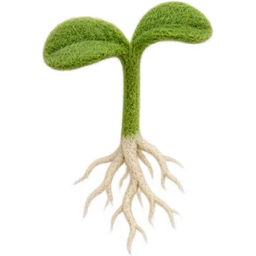 Seedling
Groups: Animals · Plants
The dog and bee are animals. The tree and seedling are plants.
Think first. Then compare your idea with a partner.
BeeHenDogMatch with:
Features help us distinguish animal groups.
Think first. Then compare your idea with a partner.
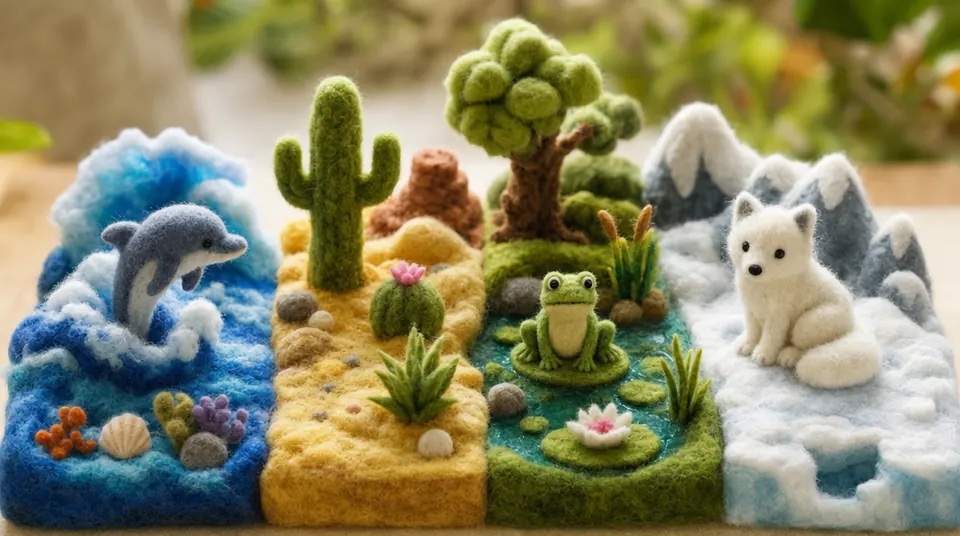 Habitat explorersGrade 2–Grade 5 · FreeIdentify features of living things and explain how habitats meet their needs.
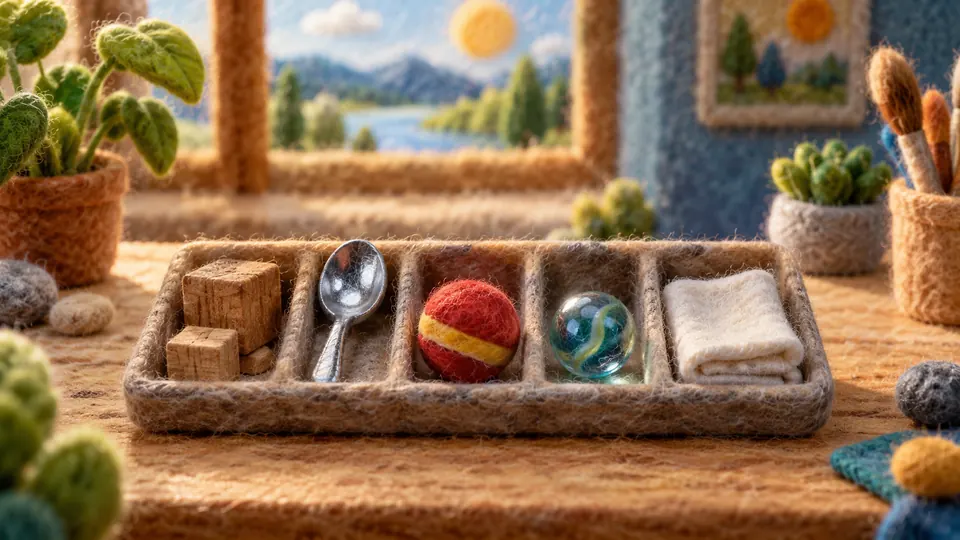 Sort by propertiesGrade 2 · FreeClassify materials using observable properties from a supplied test.
 Choose a suitable materialGrade 2 · FreeCompare test results against a stated design purpose.