There is 1 apple. We add 1 more. How many are there now?
Model: ten-frame. Starting value: 0; range limit: 20.
Explanation and discussion
1 + 1 = 2. Adding joins the two groups.
Explain how you worked it out. Can you give another example?
 KablamMy collection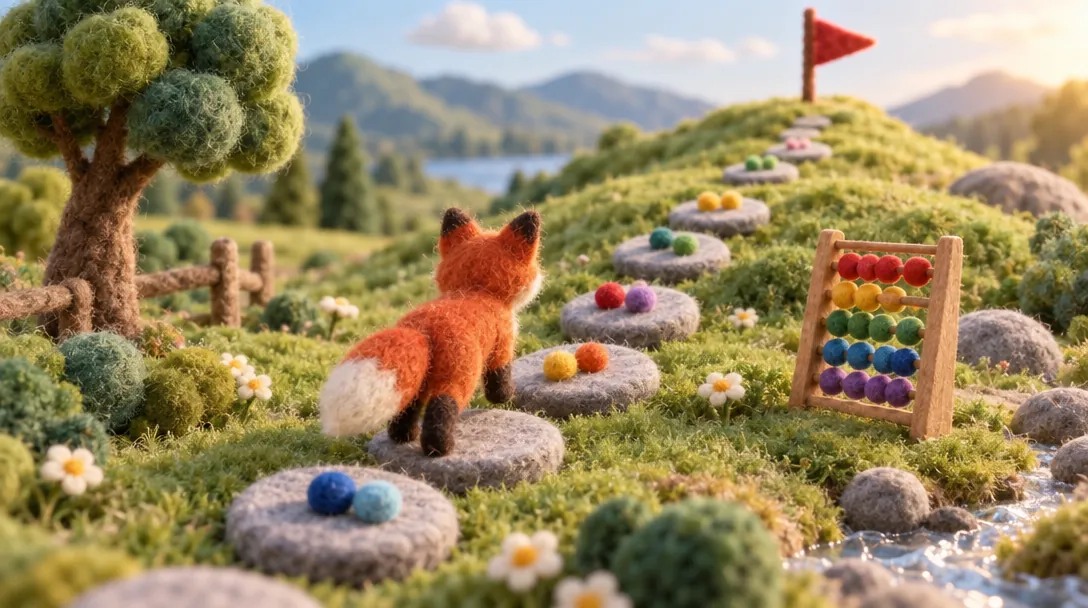
Connected short activities, one shared discovery.
Represent and compare quantities, sequences and equal parts; plan short routes.
Grade 1–Grade 2 · 6–8 years · 30 challenges
Build quantities, jumps and equal parts.
Read the rule before choosing a group.
Find the rule and put the numbers in increasing order.
Match each addition to its total.
Imagine the route first. Then move the fox through the squares.
Invite everyone to predict and explain before each board turn. Each activity stands alone. Adapt the pauses; simulations support real observations and do not replace them.
Give everyone time to think and discuss before one pupil acts at the board. The class explains and confirms together; hints and explanations stay until you move on.
Use an up-to-date browser on a computer connected to a whiteboard or shared display. Touch, mouse and keyboard; optional audio and reduced motion. No pupil accounts or personal devices.
Choose from 5 challenges up to the full activity. Discussion determines the duration: you set the pace.
Model: ten-frame. Starting value: 0; range limit: 20.
1 + 1 = 2. Adding joins the two groups.
Explain how you worked it out. Can you give another example?
Groups: Less than 5 · More than 5
3 and 4 are less than 5; 6 and 8 are greater.
Think first. Then compare your idea with a partner.
The sequence is 1, 2, 3, 4. Each jump is 1.
Think first. Then compare your idea with a partner.
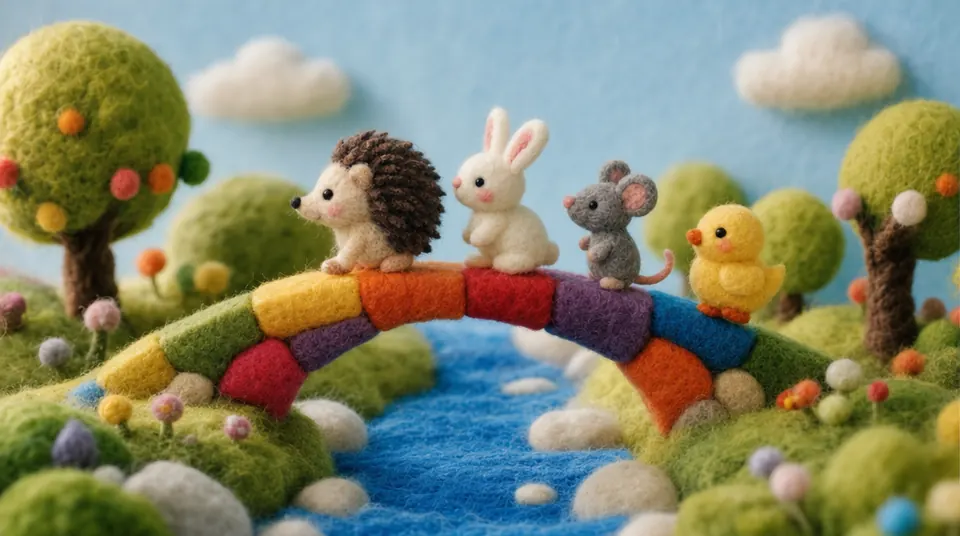 The number bridge
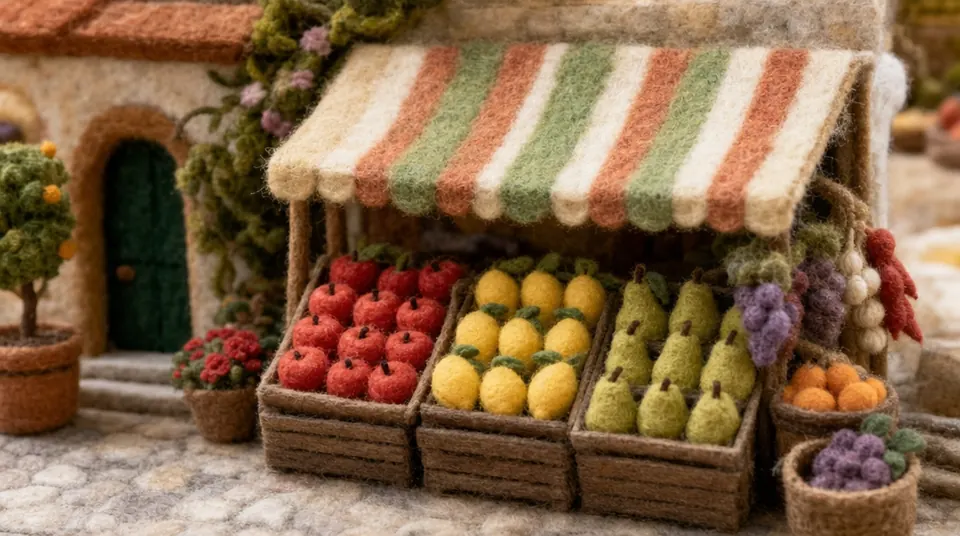 The multiplication market